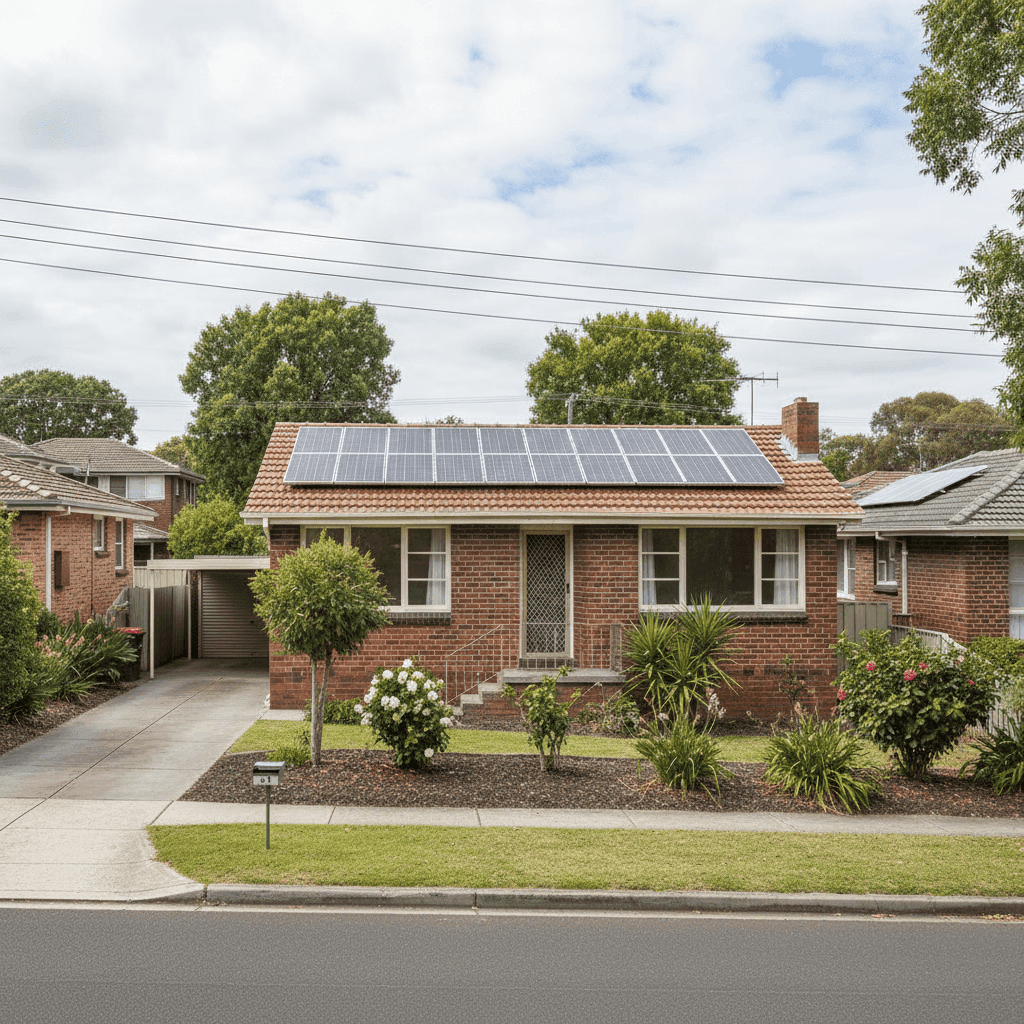
Nestled in Melbourne's leafy north-eastern suburbs, Greensborough is a well-established residential area that blends quiet streets with convenient access to the Plenty River corridor and Greensborough Plaza. For owners of free standing homes in this part of Victoria, understanding what a fair home insurance premium looks like — and what drives it — can make a real difference at renewal time.
This article breaks down a recent home and contents insurance quote for a three-bedroom, two-bathroom free standing home in Greensborough (VIC 3088), compares it against local, state, and national benchmarks, and offers practical tips to help you get the best value cover.
---
Is This Quote Fair?
The quote in question comes in at $2,006 per year (or $196/month) for combined home and contents cover, with a building sum insured of $563,000 and contents valued at $150,000. Both the building and contents excess are set at $500.
Our pricing engine rates this quote as CHEAP — below average for the area. That's a meaningful result. When you consider that the average premium across the Nillumbik LGA sits at $3,693 per year, this quote represents a saving of roughly $1,687 annually compared to what many neighbours in the same council area are paying. Even measured against the Victorian state average of $3,000/year, this quote comes in nearly $1,000 cheaper.
In short: this is a competitively priced policy. Whether you're shopping for the first time or reviewing an existing policy, this benchmark suggests there's strong value on offer here — though it's always worth confirming what's included in the fine print before signing.
---
How Greensborough Compares
Putting this quote into broader context helps illustrate just how well it stacks up. Here's a quick snapshot:
| Benchmark | Annual Premium |
|---|---|
| This Quote | $2,006 |
| VIC State Average | $3,000 |
| VIC State Median | $2,718 |
| Nillumbik LGA Average | $3,693 |
| National Average | $5,347 |
| National Median | $2,764 |
The quote sits below every single benchmark — including the national median of $2,764. That's notable, because national figures are heavily influenced by high-risk regions like Far North Queensland and coastal flood-prone areas. The fact that this Greensborough property comes in under even the national median speaks to both the relative risk profile of the suburb and the competitiveness of the quote itself.
You can explore more detailed pricing data for the postcode at our Greensborough suburb stats page, compare it against the broader Victorian insurance landscape, or view national home insurance trends.
---
Property Features That Affect Your Premium
Several characteristics of this particular property play a role in how insurers price the risk — some favourably, others less so.
Brick Veneer Construction
Brick veneer is one of the most common wall materials in Melbourne's suburban housing stock, and insurers generally view it favourably. It offers solid fire resistance compared to weatherboard or lightweight cladding, which can translate to lower premiums.
Tiled Roof
A tiled roof is considered a durable, low-maintenance choice by most underwriters. Tiles hold up well in Melbourne's variable climate and are less susceptible to storm damage than some alternatives, contributing positively to the risk profile.
Stump Foundation
Built in 1976, this home sits on stumps — a common foundation type for homes of this era in Victoria. While stumps can introduce some risk of movement or subsidence over time, a modest elevation of less than one metre is generally not considered a significant flood-risk factor in this area. Regular inspection of the subfloor and stumps is nonetheless recommended.
Timber and Laminate Flooring
Timber and laminate floors are standard in homes of this age and style. They can be more susceptible to water damage than tiles, which is worth keeping in mind when reviewing your contents and building cover limits.
Solar Panels
This property has solar panels installed. It's important to confirm with your insurer whether the panels are covered under your building policy and for what value. Solar systems can represent a significant asset — often $5,000–$15,000 — and many standard policies require you to specifically list them or confirm they're included in the building sum insured.
Ducted Climate Control
Ducted heating and cooling systems are a valuable fixture that can be costly to repair or replace. These are typically covered under building insurance, but it's worth verifying this is reflected in your sum insured figure.
No Pool, No Cyclone Risk
The absence of a swimming pool removes a common source of liability and additional premium loading. Being outside a designated cyclone risk zone also keeps the risk profile clean — a factor that significantly inflates premiums in northern parts of Australia.
---
Tips for Homeowners in Greensborough
1. Review your building sum insured regularly With a building sum insured of $563,000 for a 153 sqm home, it's worth checking this figure against current rebuild costs in your area. Construction costs have risen sharply across Victoria in recent years, and being underinsured can leave you significantly out of pocket after a major claim. Use a building calculator or ask your insurer to confirm the figure is adequate.
2. Confirm solar panel coverage Solar panels are often an afterthought in insurance policies. Contact your insurer directly to confirm whether your system is covered, for how much, and under what circumstances (e.g. storm damage, fire, theft). If it's not explicitly covered, you may need to increase your sum insured or add a specific endorsement.
3. Maintain your subfloor and stumps Homes on stumps benefit from periodic inspections of the subfloor space. Look for signs of moisture, pest activity, or stump deterioration. Proactive maintenance can prevent costly structural claims and may also support your case for competitive premiums at renewal.
4. Don't auto-renew without comparing Even if your current premium is below average, the insurance market shifts constantly. Spending 10 minutes comparing quotes at renewal can reveal meaningful savings — or confirm you're already on a great deal. Use CoverClub's quote comparison tool to benchmark your renewal offer before you commit.
---
Find a Better Deal with CoverClub
Whether you're a long-time Greensborough homeowner or new to the area, it pays to know what the market looks like. CoverClub makes it easy to compare home and contents insurance quotes side by side, so you can see exactly how your premium stacks up. Start your free quote comparison today and make sure you're getting the right cover at the right price.