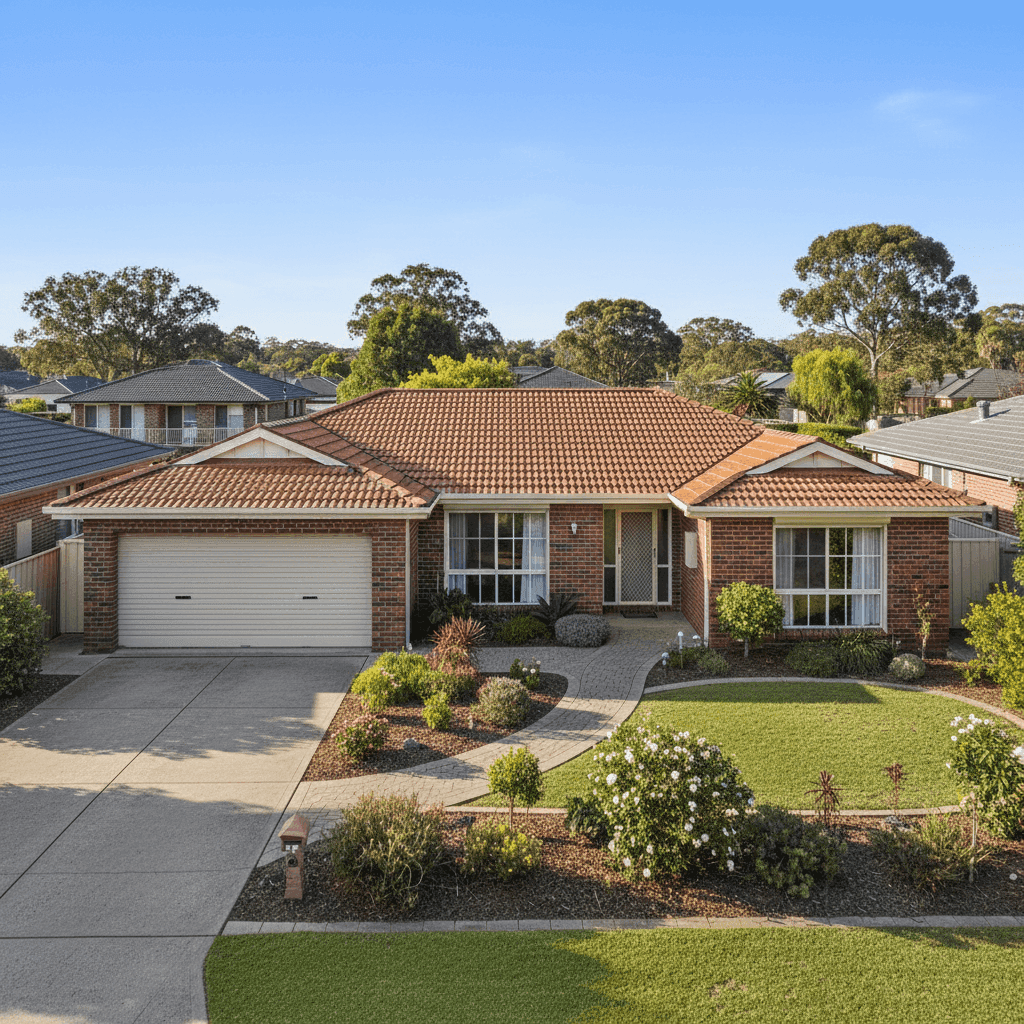
If you own a free standing home in Greenwell Point, NSW 2540, you're likely no stranger to the unique considerations that come with insuring a property in this coastal South Coast community. Sitting along the Crookhaven River estuary, Greenwell Point is a charming but weather-exposed locale — and that geography plays a significant role in what locals pay for home insurance. This article breaks down a real home and contents quote for a four-bedroom brick veneer home in the suburb, compares it against local, state, and national benchmarks, and offers practical advice for homeowners looking to get the best value on their cover.
---
Is This Quote Fair?
The quote in question comes in at $4,209 per year (or roughly $403 per month) for combined home and contents insurance, covering a building sum insured of $1,200,000 and contents valued at $130,000, each with a $1,000 excess.
Our price rating for this quote is CHEAP — Below Average — and the data backs that up convincingly.
The suburb average premium in Greenwell Point sits at $12,202 per year, with a median of $10,919. That means this quote is paying less than half the median for the area — a remarkable outcome. Even the 25th percentile (i.e., the cheapest quarter of quotes in the suburb) sits at $8,651 per year, which is still more than double this quote's annual cost.
Across New South Wales, the average annual home insurance premium is $9,528, with a median of $3,770. This quote sits above the state median but well below the state average — suggesting it's a competitive result relative to most NSW homeowners, even if it's not quite in the cheapest tier statewide.
Compared to national figures, where the average premium is $5,347 and the median is $2,764, this quote is slightly below the national average — another positive signal for the homeowner.
In short: for a four-bedroom home in a coastal NSW suburb where premiums trend high, securing cover at $4,209 per year represents genuinely strong value.
---
How Greenwell Point Compares
Greenwell Point is an outlier in the NSW insurance landscape — and not in a good way for most residents. The suburb's average premium of $12,202 is 28% higher than the NSW average of $9,528, and more than double the national average of $5,347. Even the suburb's 25th percentile ($8,651) exceeds the NSW state average.
| Benchmark | Annual Premium |
|---|---|
| This Quote | $4,209 |
| Greenwell Point Suburb Average | $12,202 |
| Greenwell Point Suburb Median | $10,919 |
| Greenwell Point 25th Percentile | $8,651 |
| NSW State Average | $9,528 |
| NSW State Median | $3,770 |
| National Average | $5,347 |
| National Median | $2,764 |
Note: Suburb data is based on a sample of 18 quotes, so figures should be treated as indicative rather than definitive.
The elevated local premiums are consistent with what we see across many coastal and estuarine communities on the NSW South Coast. Flood risk, storm surge, and proximity to waterways all contribute to higher risk assessments from insurers — and Greenwell Point's position at the mouth of the Crookhaven River makes it particularly susceptible to these factors.
---
Property Features That Affect Your Premium
Several characteristics of this property work in the homeowner's favour from an insurance pricing perspective:
Brick Veneer Construction Brick veneer external walls are generally viewed favourably by insurers. While not as robust as full brick, they offer good fire resistance and structural durability compared to lightweight cladding or weatherboard, which can attract higher premiums.
Tiled Roof A tiled roof is one of the more insurer-friendly roofing materials. Tiles are durable, fire-resistant, and have a long lifespan — all factors that reduce the perceived risk of a claim compared to, say, older corrugated iron or asbestos-cement roofing.
Concrete Slab Foundation A slab foundation is a solid base for a home and is generally associated with lower subsidence and pest-related risks compared to older timber stumped foundations. For a property built in 1998, a slab is the expected construction method and is well-regarded by underwriters.
No Pool The absence of a swimming pool removes a meaningful liability risk from the policy. Pools can add to both building replacement costs and public liability exposure, so their omission keeps the premium lower.
No Solar Panels While solar panels are increasingly common, they do add to the sum insured and can complicate roof-related claims. Not having them simplifies the risk profile.
Ducted Climate Control Ducted air conditioning is a fixed building feature that adds to the replacement cost of the home, which is reflected in the $1,200,000 building sum insured. It's worth ensuring this is accurately captured in your coverage to avoid being underinsured.
Timber and Laminate Flooring These floor types can be more susceptible to water damage than tiles, which is worth noting given the flood and storm risks in Greenwell Point. Make sure your policy covers water ingress and storm-related damage to internal flooring.
---
Tips for Homeowners in Greenwell Point
1. Review Your Flood and Storm Cover Carefully Given the suburb's coastal and estuarine setting, it's critical to understand exactly what your policy covers when it comes to flood, storm surge, and rainwater run-off. These are often defined separately in policy documents, and exclusions can catch homeowners off guard. Ask your insurer directly whether riverine flood and storm surge are included.
2. Don't Underinsure Your Building A $1,200,000 sum insured for a 268 sqm home in regional NSW is a reasonable figure, but building costs have risen sharply in recent years. Use a building cost calculator annually to confirm your sum insured keeps pace with construction cost inflation — being underinsured at claim time can be a costly mistake.
3. Compare Quotes Regularly The spread of premiums in Greenwell Point is enormous — from $8,651 at the 25th percentile to $14,491 at the 75th. That $5,840 gap shows just how much variation exists between insurers for the same property. Shopping around at renewal time is one of the most effective ways to avoid overpaying.
4. Consider Your Excess Strategy Both the building and contents excesses on this policy are set at $1,000. Opting for a higher excess can meaningfully reduce your annual premium — particularly useful if you're comfortable covering smaller claims out of pocket. Just make sure the excess amount is genuinely affordable in the event of a major claim.
---
Get Your Own Quote with CoverClub
Whether you're renewing your existing policy or buying cover for the first time, it pays to know where your premium sits relative to the market. CoverClub makes it easy to compare home insurance quotes and understand whether you're getting a fair deal. Enter your address and get started today — it only takes a few minutes and could save you thousands.