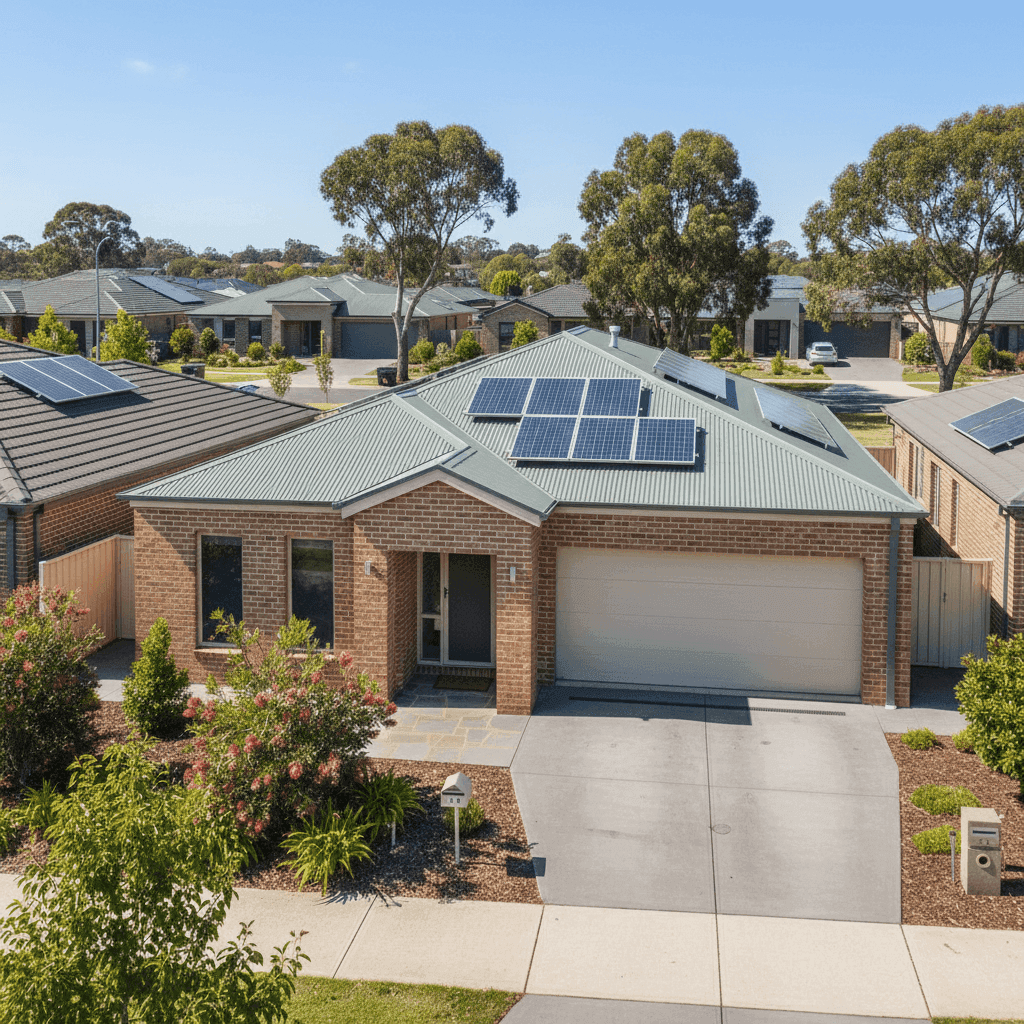
Gregory Hills is one of South-West Sydney's newer residential growth corridors, sitting within the Liverpool Local Government Area and just a short drive from Campbelltown. Despite its modern streetscapes and family-friendly appeal, the suburb is home to a mix of housing stock — including older brick-veneer properties that predate the area's recent development boom. If you own a free-standing home here and you're wondering whether your building insurance premium is reasonable, this analysis breaks down a real quote and puts it into context.
---
Is This Quote Fair?
The quote in question is $1,642 per year (or $168/month) for building-only cover on a 3-bedroom, 1-bathroom free-standing home in Gregory Hills, with a sum insured of $650,000 and a building excess of $3,000.
Our price rating for this quote is CHEAP — below average — and the data backs that up convincingly.
To put it plainly: this is a genuinely competitive premium. Compared to the NSW state average of $9,528 per year, this quote comes in at just 17% of what the average NSW homeowner pays. Even against the national average of $5,347, it represents a saving of more than $3,700 annually. And measured against the NSW state median of $3,770, it's still less than half.
For homeowners used to seeing insurance premiums climb year after year, a sub-$1,700 building policy on a $650,000 sum insured is a result worth paying attention to.
---
How Gregory Hills Compares
While suburb-level comparison data isn't available for Gregory Hills specifically, we can use the Liverpool LGA average as a meaningful proxy — and it's telling. The Liverpool LGA average premium sits at $2,029 per year, meaning this quote is approximately 19% below what most homeowners in the same local government area are paying.
Here's a quick snapshot of how the numbers line up:
| Benchmark | Annual Premium |
|---|---|
| This Quote | $1,642 |
| Liverpool LGA Average | $2,029 |
| NSW State Median | $3,770 |
| NSW State Average | $9,528 |
| National Median | $2,764 |
| National Average | $5,347 |
The stark gap between the NSW average ($9,528) and the median ($3,770) is worth noting — it suggests a relatively small number of very high-risk properties are pulling the average upward significantly. This is common in states with coastal flood zones, cyclone-prone regions, and bushfire-affected areas. Gregory Hills, sitting on stable suburban land without direct cyclone exposure, benefits from avoiding these tail-risk categories.
---
Property Features That Affect Your Premium
Several characteristics of this property work in favour of a lower premium — and a couple are worth keeping an eye on.
Brick Veneer Walls Brick veneer is generally viewed favourably by insurers. It offers solid fire resistance and durability compared to lightweight cladding materials, and it's one of the most common wall types across Sydney's suburban housing stock. This familiarity means insurers can price it with confidence.
Steel/Colorbond Roof A Colorbond steel roof is another positive signal. It's highly durable, resistant to corrosion, and performs well in both heat and moderate storm conditions. Compared to terracotta or concrete tiles (which can crack or dislodge in storms), Colorbond tends to attract lower premiums.
Slab Foundation A concrete slab foundation is standard for suburban homes and is generally considered low-risk by insurers. There's no subfloor cavity to worry about, and slab homes tend to be structurally stable over time.
Construction Year: 1965 This is the one area that warrants some attention. A home built in 1965 is now over 60 years old, and ageing properties can carry higher risks around plumbing, electrical wiring, and general structural wear. Some insurers will price older homes higher, or apply conditions to coverage. In this case, the premium suggests the insurer is comfortable with the property's age — but it's worth ensuring your sum insured is regularly reviewed to reflect current rebuild costs.
Solar Panels Solar panels are increasingly common on Australian rooftops, and most insurers now include them under standard building cover. However, it's worth confirming with your insurer that the panels and inverter are explicitly covered, and understanding whether accidental damage to the panels is included.
Above-Average Fittings The property is noted as having above-average fittings quality. This can influence the sum insured calculation — higher-quality fixtures, cabinetwork, and finishes cost more to replace, which is reflected in the $650,000 building sum insured for a 130 sqm home.
---
Tips for Homeowners in Gregory Hills
1. Review Your Sum Insured Annually Construction costs in South-West Sydney have risen significantly over recent years. A sum insured set even two or three years ago may no longer reflect the true cost of rebuilding your home from scratch. Use a building cost calculator or speak with a quantity surveyor to make sure you're not underinsured.
2. Confirm Solar Panel Coverage If you have solar panels (as this property does), ask your insurer specifically whether they're covered under the building policy, and whether that extends to storm damage, hail, and accidental breakage. Don't assume — get it in writing.
3. Consider the Impact of Your Excess This policy carries a $3,000 building excess. A higher excess is one of the most effective ways to reduce your annual premium, but it's a trade-off — you'll need to cover that amount out of pocket before your insurer steps in. Make sure you have that buffer available, particularly given the age of the property.
4. Shop Around at Renewal Even with a competitive premium like this one, it pays to compare at renewal time. Insurers regularly adjust their pricing models, and the market can shift meaningfully from one year to the next. Use a comparison platform like CoverClub to benchmark your renewal quote before you accept it.
---
Get a Quote for Your Gregory Hills Home
Whether you're a first-time buyer or a long-term owner reassessing your cover, CoverClub makes it easy to compare building insurance quotes from multiple insurers in one place. Enter your address at coverclub.com.au to see how your current premium stacks up — and find out whether you could be paying less.