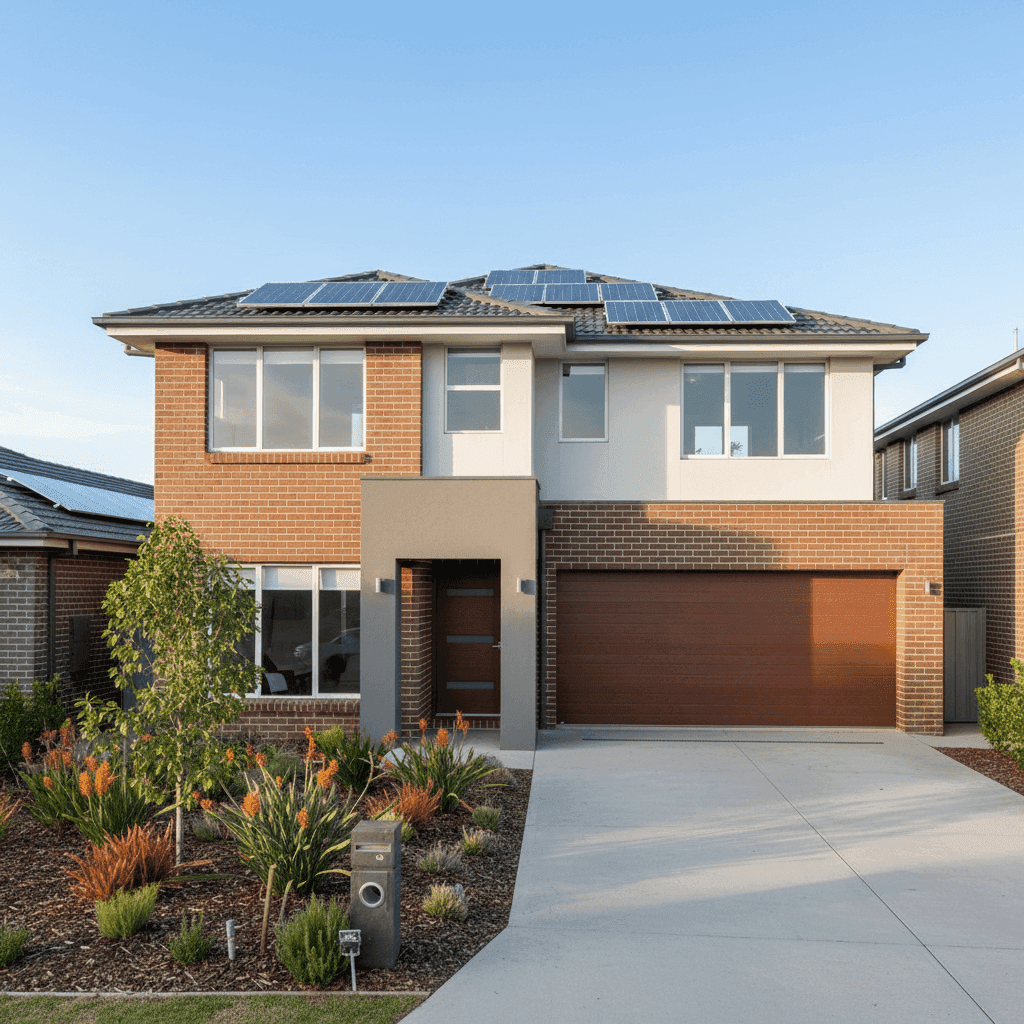
If you own a free standing home in Gregory Hills, NSW 2557, you're probably wondering whether you're paying a fair price for home and contents insurance — or whether there's a better deal out there. This article breaks down a real insurance quote for a four-bedroom, two-bathroom brick veneer home in Gregory Hills, comparing it against suburb, state, and national benchmarks to help you make a more informed decision.
---
Is This Quote Fair?
The annual premium for this property comes in at $1,104 per year (or roughly $106 per month), covering both building (sum insured: $693,000) and contents ($110,000). Based on CoverClub's pricing analysis, this quote is rated CHEAP — sitting below the suburb average, which is a strong result for the homeowner.
To put that in perspective, the suburb average for Gregory Hills sits at $1,787 per year, with a median of $1,763. That means this quote is approximately $683 cheaper than the average paid by other Gregory Hills homeowners in our dataset — a saving of around 38%. Even compared to the 25th percentile (the cheapest quarter of quotes in the area, at $1,249/yr), this premium still comes in well under the mark.
For a home with a relatively high building sum insured of $693,000 and a standard contents value of $110,000, landing below the suburb's 25th percentile is genuinely impressive. The building excess of $4,000 is on the higher side, which does help bring the premium down — but even accounting for that, this represents solid value.
---
How Gregory Hills Compares
Gregory Hills is a relatively new master-planned suburb in Sydney's south-west growth corridor, and its insurance pricing reflects that. Homes here tend to be modern, well-constructed, and located in a low-risk environment — factors that generally work in favour of lower premiums.
Here's how the suburb stacks up against broader benchmarks:
| Benchmark | Annual Premium |
|---|---|
| This Quote | $1,104 |
| Gregory Hills Suburb Average | $1,787 |
| Gregory Hills Suburb Median | $1,763 |
| Liverpool LGA Average | $2,029 |
| NSW Average | $9,528 |
| NSW Median | $3,770 |
| National Average | $5,347 |
| National Median | $2,764 |
The contrast with the NSW state average is striking. At $9,528/yr, the state average is heavily skewed by high-risk areas — coastal flood zones, bushfire-prone regions, and older housing stock in inner Sydney. Gregory Hills, by contrast, is a low-risk inland suburb with newer homes, which explains why premiums here are dramatically lower than the state norm.
Even compared to the national median of $2,764, this quote is well below average. Homeowners in Gregory Hills are generally well-positioned when it comes to insurance affordability, and this quote demonstrates what's achievable when you shop around.
It's worth noting the suburb sample size is 17 quotes — a reasonable but not enormous dataset. As more data flows in, these averages may shift slightly.
---
Property Features That Affect Your Premium
Several characteristics of this property contribute to its favourable premium:
Brick Veneer Construction Brick veneer is one of the most common and insurer-friendly wall types in Australian suburbia. It offers good structural resilience, fire resistance, and weather protection — all of which reduce the likelihood of a major claim. Insurers typically view brick veneer favourably compared to timber-framed or clad homes.
Tiled Roof Concrete or terracotta tiles are considered a durable roofing material by most insurers. They're resistant to ember attack and perform well in hail events, though they can be more expensive to repair than Colorbond. Overall, a tiled roof is a neutral-to-positive factor for pricing.
Slab Foundation A concrete slab foundation, common in post-2000 construction, is generally well-regarded by insurers. It avoids the subsidence and pest risks associated with older raised-floor designs, reducing the risk of structural claims.
Construction Year: 2013 A home built in 2013 benefits from modern building codes, which mandate higher standards for structural integrity, waterproofing, and fire safety. Newer homes tend to attract lower premiums than older properties that may have ageing infrastructure or outdated electrical systems.
Solar Panels This property has solar panels, which are worth noting on your policy. Most standard home insurance policies cover solar panels as part of the building, but it's worth confirming this with your insurer. Damage from storms, hail, or fire should typically be included — but coverage for mechanical breakdown or inverter failure may require an endorsement.
Ducted Climate Control Ducted air conditioning systems are a significant fixed asset and are generally covered under building insurance. Given the cost of replacing a ducted system (often $10,000–$20,000+), ensuring your sum insured accounts for this is important.
No Pool, No Cyclone Risk The absence of a pool removes a common liability and maintenance claim risk. Gregory Hills is also outside any designated cyclone risk zone, which keeps premiums lower than properties in northern Queensland or coastal NT.
---
Tips for Homeowners in Gregory Hills
1. Review Your Building Sum Insured Regularly Construction costs in south-west Sydney have risen significantly in recent years. A sum insured of $693,000 for a 244 sqm home works out to roughly $2,840 per square metre — which is in a reasonable range, but worth reviewing annually. Underinsurance is one of the most common issues Australian homeowners face at claim time.
2. Understand Your Excess Structure This policy carries a $4,000 building excess and a $500 contents excess. A higher building excess is a common way to reduce your annual premium, but make sure you're comfortable covering that amount out of pocket in the event of a claim. If $4,000 feels like a stretch, consider adjusting your excess and comparing the premium impact.
3. Confirm Solar Panel Coverage With solar panels on the roof, double-check your policy documents to confirm they're explicitly listed as covered. Ask your insurer whether accidental damage, storm damage, and inverter failure are all included — or whether you need to add a rider.
4. Compare Quotes at Renewal Even if you're on a great rate now, insurers frequently adjust their pricing models. The best way to ensure you're always getting value is to compare quotes at CoverClub at each renewal. Given that the suburb average is $683 more per year than this quote, the savings from shopping around are very real.
---
Find Out What You Should Be Paying
Whether you're a new homeowner in Gregory Hills or coming up to renewal, it pays to know where your premium sits relative to the market. CoverClub makes it easy to benchmark your quote against real data from your suburb and beyond.
Get a home insurance quote for your Gregory Hills property and see how your premium compares — it takes just a few minutes and could save you hundreds of dollars a year.