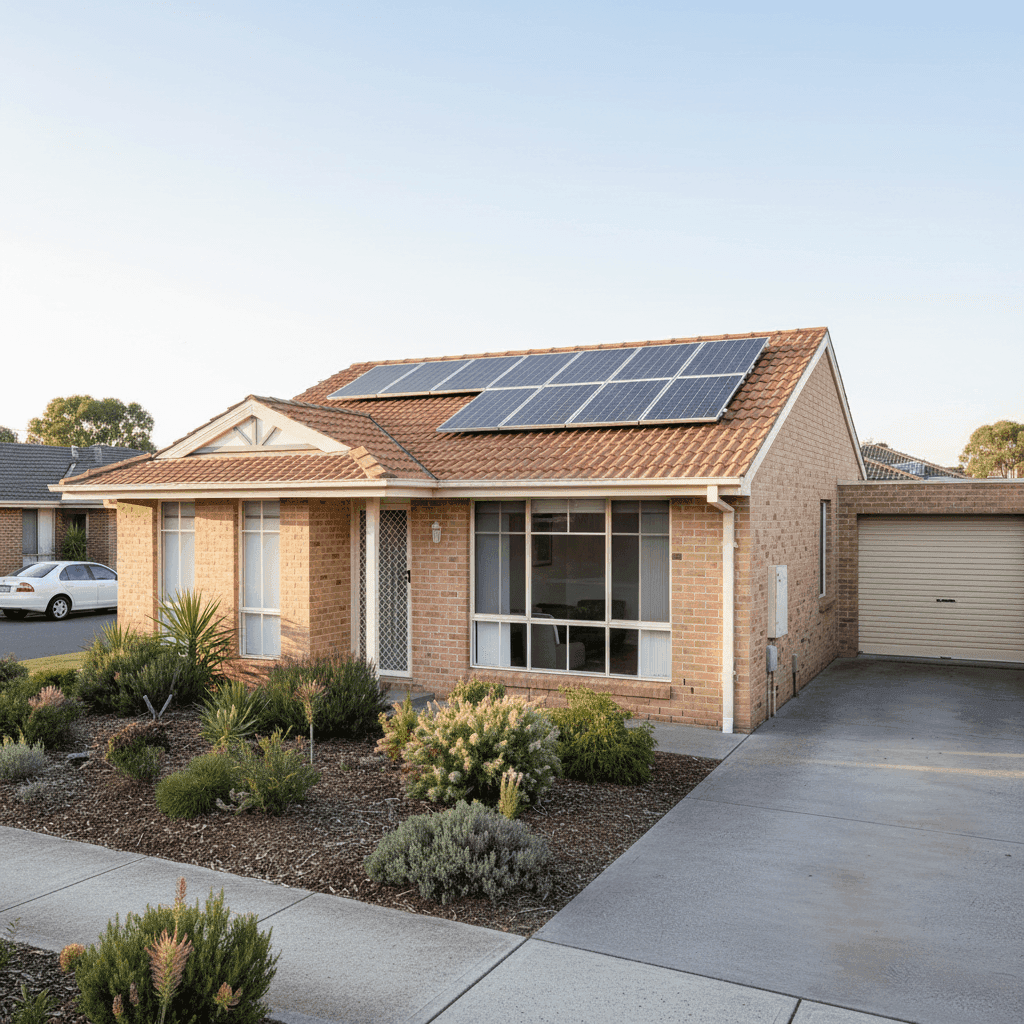
Greystanes is a well-established suburb in Sydney's western corridor, sitting within the City of Parramatta local government area. Known for its mix of older homes and newer builds, it's a popular choice for families seeking proximity to Parramatta's amenities without the inner-city price tag. This article breaks down a real home and contents insurance quote for a 3-bedroom, 2-bathroom semi detached property in Greystanes — and examines whether the premium represents genuine value.
---
Is This Quote Fair?
The annual premium on this quote comes in at $1,063 per year (or roughly $104 per month), covering both building and contents for a sum insured of $500,000 on the building and $30,000 on contents. Our analysis rates this as CHEAP — below average for the area.
To put that in perspective: the average home and contents premium across Greystanes sits at $2,608 per year, and the suburb median is $2,485 per year. That means this quote is coming in at less than half the suburb average — a significant saving by any measure.
Even compared to the cheapest quarter of quotes in the suburb (the 25th percentile at $1,526/yr), this premium is still meaningfully lower. For homeowners who've been paying closer to the suburb average, this kind of quote is well worth paying attention to.
The building excess is set at $2,000 and the contents excess at $1,000 — both are on the higher end of the typical range, which partly explains the lower premium. Higher excesses reduce the insurer's exposure to smaller claims, and insurers pass some of that saving on through lower upfront costs. It's a trade-off worth considering: you'll pay less each year, but more out of pocket if you do need to make a claim.
---
How Greystanes Compares
Understanding where Greystanes sits relative to broader benchmarks helps contextualise any individual quote. Here's how the suburb stacks up:
| Benchmark | Annual Premium |
|---|---|
| This Quote | $1,063 |
| Greystanes 25th Percentile | $1,526 |
| Greystanes Median | $2,485 |
| Greystanes Average | $2,608 |
| Greystanes 75th Percentile | $3,971 |
| LGA (Parramatta) Average | $2,048 |
| NSW Average | $3,801 |
| NSW Median | $3,410 |
| National Average | $2,965 |
| National Median | $2,716 |
Greystanes premiums are notably lower than the NSW state average of $3,801 per year — a reflection of the suburb's relatively low exposure to extreme weather events such as cyclones, coastal flooding, or bushfire. Compared to the national average of $2,965/yr, Greystanes sits well below the benchmark, making it one of the more affordable pockets of Sydney for home insurance.
You can explore the full breakdown of premiums in the suburb at the Greystanes insurance stats page, or compare how NSW as a whole performs on the NSW state stats page.
The sample behind these figures draws on 70 quotes from the Greystanes area, giving a solid basis for comparison.
---
Property Features That Affect Your Premium
Several characteristics of this property work in favour of a competitive premium. Here's how each feature plays a role:
Brick Veneer Walls & Tiled Roof
Brick veneer is one of the most common external wall materials in Australian suburban homes, and insurers generally view it favourably. It offers solid fire resistance and structural durability. Combined with a tiled roof — another low-risk roofing material — this property presents a relatively low-risk profile from a structural standpoint.
Slab Foundation
A concrete slab foundation is standard for homes built in the 2010s and is generally considered stable and cost-effective to insure. Unlike homes on stumps or piers, slab foundations carry less risk of subsidence-related claims in most metropolitan Sydney conditions.
Built in 2013
Newer construction works in a homeowner's favour when it comes to insurance. A 2013 build means the property was constructed under more recent building codes, with modern wiring, plumbing, and structural standards. Insurers tend to price newer homes more competitively than older stock, where wear and tear or outdated systems can increase claim likelihood.
Solar Panels
This property has solar panels installed, which adds a small element of complexity to the insurance picture. Solar systems are generally covered under home building insurance, but it's important to confirm with your insurer that the panels are explicitly included in your sum insured. The replacement cost of a quality solar system can run into several thousand dollars, so ensuring adequate cover is essential.
Ducted Climate Control
Ducted air conditioning systems are a fixed building feature and typically covered under building insurance rather than contents. Given the cost of ducted systems — often $10,000 or more to replace — this is worth factoring into your sum insured calculation to avoid being underinsured.
Standard Fittings & No Pool
Standard-quality fittings keep rebuild costs predictable and premiums lower compared to high-end or custom fitouts. The absence of a pool also removes a common source of liability and maintenance-related claims, which is reflected in the overall premium.
---
Tips for Homeowners in Greystanes
Whether you're reviewing an existing policy or shopping around for the first time, here are some practical steps to make sure you're getting the right cover at the right price.
1. Check Your Sum Insured Reflects Current Build Costs Construction costs have risen sharply across NSW in recent years. A sum insured of $500,000 for a 139 sqm semi detached is worth validating against current per-square-metre rebuild rates in the area. Underinsurance is one of the most common — and costly — mistakes homeowners make. Use a building cost calculator or speak to a quantity surveyor if you're unsure.
2. Confirm Solar Panels Are Covered As noted above, solar panels should be explicitly covered under your building policy. Ask your insurer whether the panels, inverter, and associated wiring are included, and whether there are any exclusions around storm damage or panel degradation.
3. Review Your Excess Strategy The higher excesses on this policy ($2,000 building / $1,000 contents) contribute to the lower premium. Think about how often you're likely to make a claim and what you could comfortably afford to pay out of pocket. If you'd struggle to cover a $2,000 excess in an emergency, it may be worth paying a slightly higher premium for a lower excess.
4. Compare Quotes Annually Insurance loyalty rarely pays off in Australia. Premiums can shift significantly from year to year, and new providers regularly enter the market with competitive rates. Even if your current premium feels reasonable, running a fresh comparison at renewal time takes only a few minutes and could save you hundreds of dollars.
---
Ready to Compare Quotes for Your Greystanes Home?
Whether you own a semi detached, a freestanding house, or a townhouse in Greystanes, it pays to see what the market is offering. CoverClub makes it easy to compare home and contents insurance quotes from multiple insurers in one place — so you can make an informed decision without the legwork.