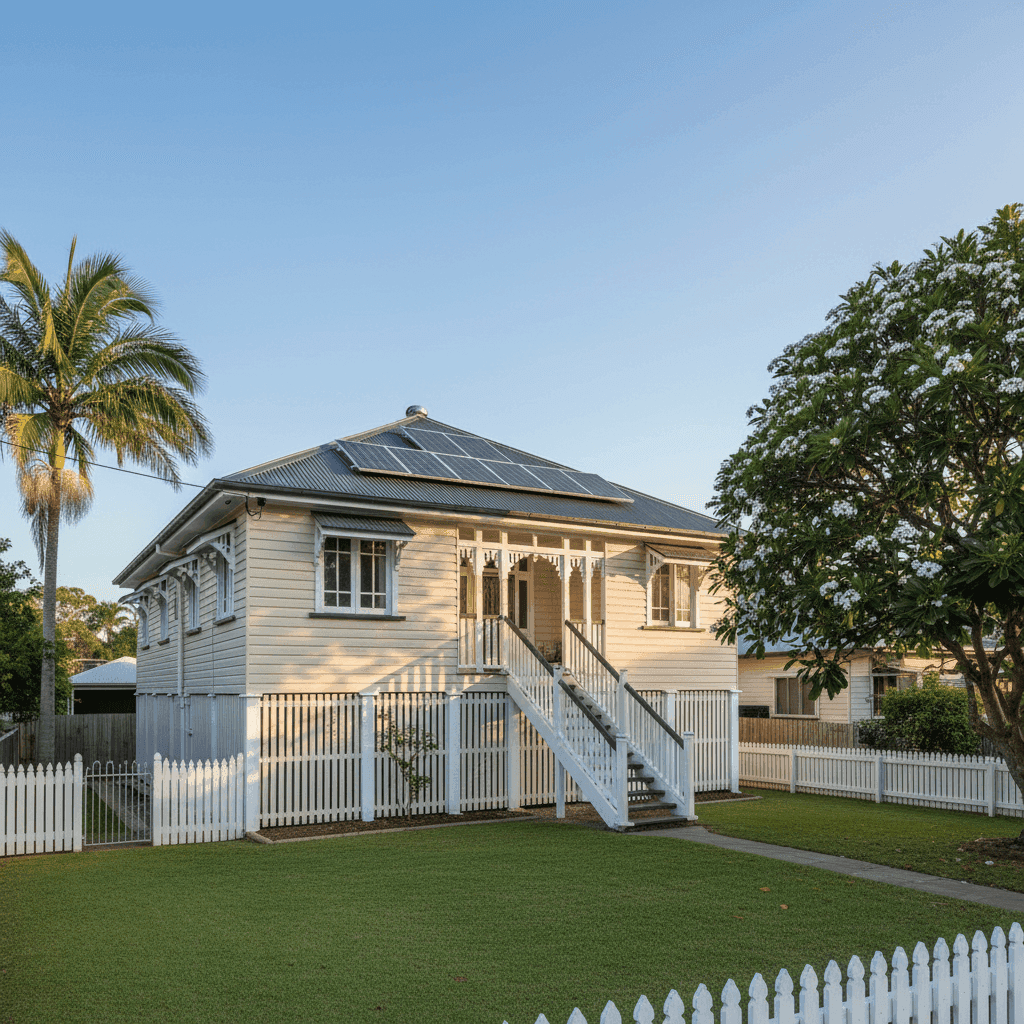
Gulliver is a quiet residential suburb in Townsville, QLD, and like much of North Queensland, it comes with its own unique set of insurance considerations. This article breaks down a real home and contents insurance quote for a three-bedroom, free-standing home in Gulliver (postcode 4812) — looking at whether the price is fair, how it stacks up against local and national benchmarks, and what property features are likely driving the cost.
---
Is This Quote Fair?
The annual premium for this quote comes in at $4,021 per year (or $385/month), covering a building sum insured of $356,000 and contents valued at $71,000. The building excess is $2,000 and the contents excess is $1,000.
Based on CoverClub's pricing data, this quote is rated CHEAP — below average for the area. That's genuinely good news for the homeowner. In a suburb where premiums can easily push well above $6,000 per year, landing below the 25th percentile (which sits at $4,740/yr in Gulliver) is a meaningful saving.
To put it plainly: this quote is coming in roughly $2,300 below the suburb average and well under the Townsville LGA average of $7,340/yr. For a property in a cyclone-prone region with a number of older construction features, that's a competitive result worth paying attention to.
---
How Gulliver Compares
Understanding where your premium sits relative to broader benchmarks is one of the most useful things you can do as a homeowner. Here's how the numbers break down:
| Benchmark | Premium |
|---|---|
| This quote | $4,021/yr |
| Gulliver suburb average | $6,340/yr |
| Gulliver suburb median | $6,351/yr |
| Gulliver 25th percentile | $4,740/yr |
| Gulliver 75th percentile | $7,435/yr |
| Townsville LGA average | $7,340/yr |
| QLD state average | $9,129/yr |
| QLD state median | $3,903/yr |
| National average | $5,347/yr |
| National median | $2,764/yr |
A few things stand out here. The gap between Queensland's state average ($9,129/yr) and its median ($3,903/yr) is enormous — a sign that a relatively small number of very high premiums are pulling the average up significantly. This is typical of cyclone-affected regions, where some properties attract eye-watering premiums while others remain more manageable.
At $4,021/yr, this quote sits just above the QLD state median, which is actually a reasonable position for a Townsville property. It's also well below the national average of $5,347/yr, which is surprising given that North Queensland properties typically carry elevated risk.
You can explore more local data on the Gulliver suburb stats page or compare across the full Queensland market.
---
Property Features That Affect Your Premium
Several characteristics of this property are worth examining, as they each play a role in how insurers price the risk.
Cyclone Risk Area
This is the single biggest factor. Gulliver falls within a designated cyclone risk zone, and insurers price this in heavily. Townsville has experienced significant cyclone activity historically, and properties in the area are assessed with that exposure in mind. It's the primary reason premiums in this LGA average $7,340/yr — so achieving a result below that is noteworthy.
Weatherboard Timber Construction (1969)
The external walls are weatherboard wood, and the home was built in 1969. Older timber-framed homes can attract higher premiums due to the perceived difficulty and cost of repairing or replacing them. However, weatherboard homes are common in North Queensland and many insurers are comfortable pricing them — particularly when other risk factors are managed.
Steel/Colorbond Roof
Colorbond roofing is generally viewed favourably by insurers. It's durable, low-maintenance, and performs well in high-wind events compared to older roofing materials like tiles or corrugated iron. This may be contributing to the competitive premium here.
Stump Foundation & Timber Flooring
The home sits on stumps with timber/laminate flooring — a classic Queensland construction style. Stump foundations allow airflow underneath the home and can reduce flood-related damage in some scenarios, though they do introduce their own maintenance considerations.
Solar Panels
Solar panels are listed as a feature of this property. Not all standard home insurance policies automatically cover solar panels as part of the building, so it's worth confirming with the insurer that the panels and associated inverter equipment are explicitly included under the building sum insured of $356,000.
Ducted Climate Control
Ducted air conditioning systems are a significant asset and can be costly to repair or replace. Ensuring this is captured within the building sum insured — or separately noted in the policy — is important for avoiding underinsurance.
---
Tips for Homeowners in Gulliver
1. Review your building sum insured regularly At $356,000, the building sum insured should reflect the full cost of rebuilding the home from scratch — not its market value. With construction costs rising across Queensland, it's worth reassessing this figure annually to avoid being underinsured. Consider getting a professional building valuation if you haven't done so recently.
2. Confirm cyclone-specific cover details In a cyclone risk area, it's essential to understand exactly what your policy covers — including storm surge, wind damage, and any waiting periods that may apply before cyclone cover becomes active. Some policies impose a 72-hour waiting period after purchase before cyclone cover kicks in.
3. Check that solar panels are explicitly covered As noted above, solar panel coverage varies between insurers. Ask your insurer directly whether the panels, inverter, and mounting hardware are included under your building cover, and whether there are any sub-limits that apply.
4. Consider a higher excess to reduce premiums further With the building excess currently at $2,000, there may be room to explore whether increasing this slightly could reduce the annual premium — particularly if you're in a strong financial position to absorb a larger out-of-pocket cost in the event of a claim. That said, given the already-competitive pricing here, this is more of a fine-tuning option than a necessity.
---
Compare Your Own Quote
Whether you're a homeowner in Gulliver or anywhere else in Australia, comparing quotes is the single most effective way to make sure you're not overpaying. CoverClub makes it easy to see how your current premium stacks up against real data from your suburb, LGA, and state.
Get a home insurance quote today and find out where you sit on the pricing spectrum — you might be pleasantly surprised.