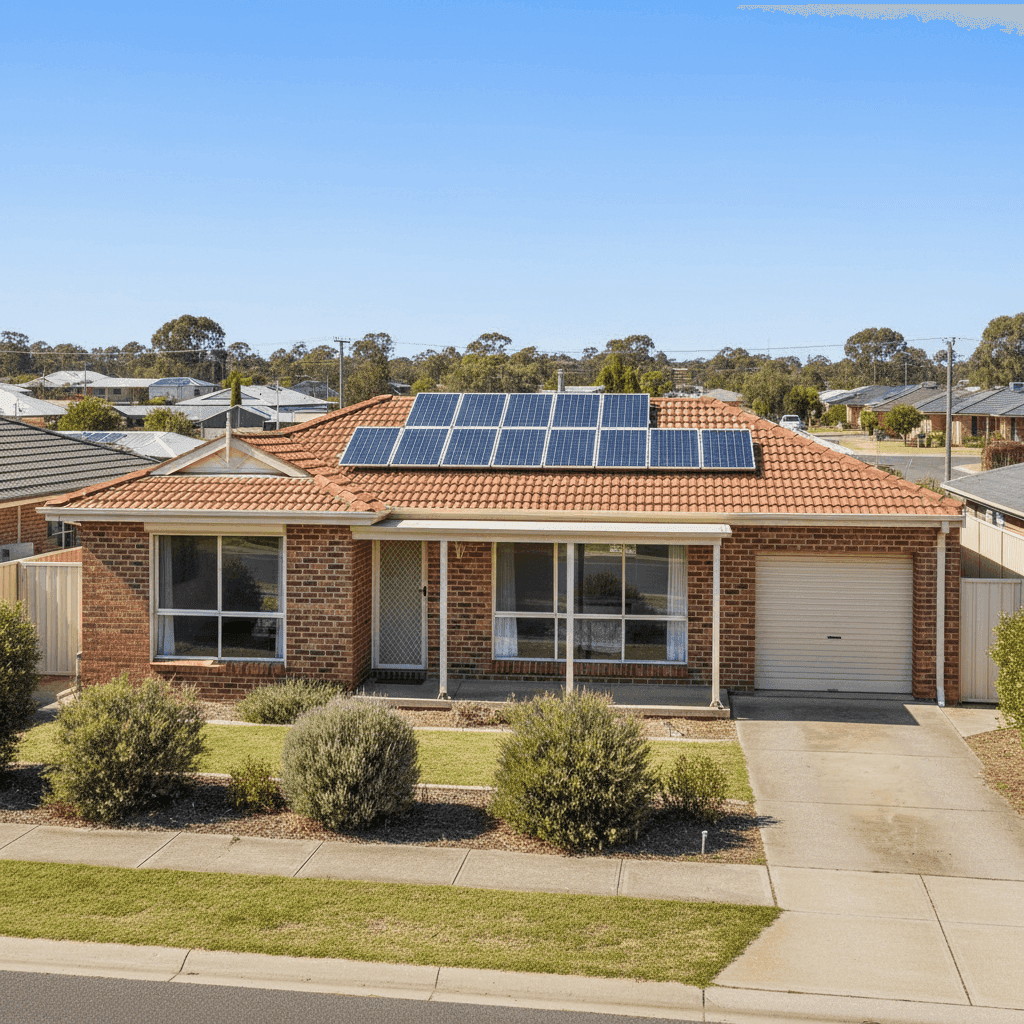
Gunnedah, nestled in the Liverpool Plains region of north-west New South Wales, is a tight-knit agricultural community known for its rich black-soil farmland and koala population. For homeowners in this postcode, understanding what you should be paying for home and contents insurance — and whether your current quote stacks up — is just as important as anywhere else in the country. This article breaks down a real insurance quote for a four-bedroom, free-standing home in Gunnedah (NSW 2380) and puts it into context against local, state, and national benchmarks.
---
Is This Quote Fair?
The quote in question comes in at $2,433 per year (or $254 per month) for combined home and contents cover, with a building sum insured of $638,000 and contents valued at $50,000. The building excess is set at $3,000, while the contents excess sits at $1,000.
Our pricing analysis rates this quote as CHEAP — below average for the area. That's a meaningful finding. When a quote lands below the 25th percentile for its suburb (which sits at $2,542/yr), it suggests the premium is genuinely competitive rather than just marginally below the mean. Homeowners receiving a quote in this range are in a strong position — though it's always worth checking that the level of cover matches the property's actual replacement needs.
At $638,000 in building cover for a 214 sqm home, the sum insured works out to roughly $2,981 per square metre — a reasonable figure for a brick veneer construction in regional NSW, where building costs have climbed considerably in recent years.
---
How Gunnedah Compares
To appreciate just how well-priced this quote is, it helps to look at the broader data. Based on quotes collected for Gunnedah (NSW 2380), the local pricing landscape looks like this:
| Benchmark | Annual Premium |
|---|---|
| This quote | $2,433 |
| Suburb 25th percentile | $2,542 |
| Suburb median | $2,888 |
| Suburb average | $3,255 |
| Suburb 75th percentile | $4,280 |
| LGA (Gunnedah) average | $3,272 |
This quote sits below the suburb's 25th percentile, meaning it's cheaper than at least 75% of comparable quotes in the area. That's a strong result.
Zooming out to the state level for NSW, the picture becomes even more interesting. The NSW average premium is a striking $9,528 per year, though the median of $3,770 tells a more balanced story — the average is likely being pulled upward by high-risk coastal and flood-prone areas. Against either figure, the Gunnedah quote looks very reasonable.
At the national level, the average premium sits at $5,347/yr with a median of $2,764/yr. This quote is slightly above the national median but well below the national average — consistent with what you'd expect from a regional inland town with relatively low exposure to the extreme weather events that drive premiums sky-high in coastal or cyclone-prone zones.
---
Property Features That Affect Your Premium
Every property has a unique risk profile, and insurers price accordingly. Here's how the features of this particular home influence the premium:
Brick Veneer Walls & Tiled Roof Brick veneer is one of the most common external wall materials in Australian suburban homes, and insurers generally regard it favourably. It offers solid fire resistance and structural durability. Combined with a tiled roof — another standard, low-risk roofing material — this home presents a predictable and well-understood risk profile, which typically translates to more competitive premiums.
Slab Foundation A concrete slab foundation is generally considered a stable base, particularly in the drier inland conditions of Gunnedah. Unlike homes on stumps or piers, slab homes have fewer sub-floor spaces that can harbour moisture damage or pest issues — factors that can quietly influence insurance pricing.
Construction Year: 1984 At roughly 40 years old, this home sits in a middle-ground zone for insurers. It's old enough that some systems (electrical wiring, plumbing) may be approaching the end of their service life, but not so old as to involve heritage complications or unusual materials. Keeping up with maintenance is especially important for homes of this vintage.
Solar Panels The presence of solar panels adds a modest layer of complexity to a home insurance policy. Panels represent a significant asset — often worth $5,000–$15,000 — and homeowners should confirm whether they are covered under the building policy, the contents policy, or require a separate endorsement. It's worth checking the policy wording carefully.
Ducted Climate Control Ducted air conditioning is typically covered as a fixed building fixture, but again, it's worth verifying this with your insurer. Given the hot summers and cool winters of the Liverpool Plains, this system is a key asset worth protecting.
Carpet Flooring & Standard Fittings Carpet throughout, combined with standard-quality fittings, keeps the replacement cost of the interior at a manageable level. Homes with high-end finishes, imported tiles, or custom joinery can attract notably higher premiums due to the elevated cost of like-for-like replacement.
---
Tips for Homeowners in Gunnedah
1. Review your sum insured regularly Building costs in regional NSW have risen sharply since 2020. A sum insured set even three or four years ago may no longer reflect the true cost to rebuild. Use a building cost calculator or speak to a local builder to sense-check your figure annually — being underinsured can be just as costly as paying too much in premiums.
2. Confirm solar panel coverage Given this property has solar panels, contact your insurer directly and ask: are the panels covered under the building sum insured, and what events are they covered for? Storm, hail, and accidental damage are the most common risks for rooftop solar in inland NSW.
3. Consider your excess trade-off This policy carries a $3,000 building excess — on the higher end of the spectrum. A higher excess typically lowers your premium, but it also means a larger out-of-pocket cost when you do need to claim. Make sure this level is genuinely affordable in a worst-case scenario, particularly given the agricultural and weather-related risks common to the region.
4. Don't ignore contents coverage At $50,000, the contents sum insured is relatively modest for a four-bedroom home. Take a room-by-room inventory of your belongings — furniture, appliances, clothing, tools, electronics — and ensure the total reflects reality. Many Australians significantly underestimate the replacement value of their contents.
---
Compare Your Home Insurance Quote Today
Whether you're a long-term Gunnedah local or new to the area, it always pays to compare. Premiums can vary dramatically between insurers for the same property — sometimes by thousands of dollars. Get a home insurance quote at CoverClub to see how your current policy stacks up, and make sure you're not paying more than you need to for the cover your home deserves.