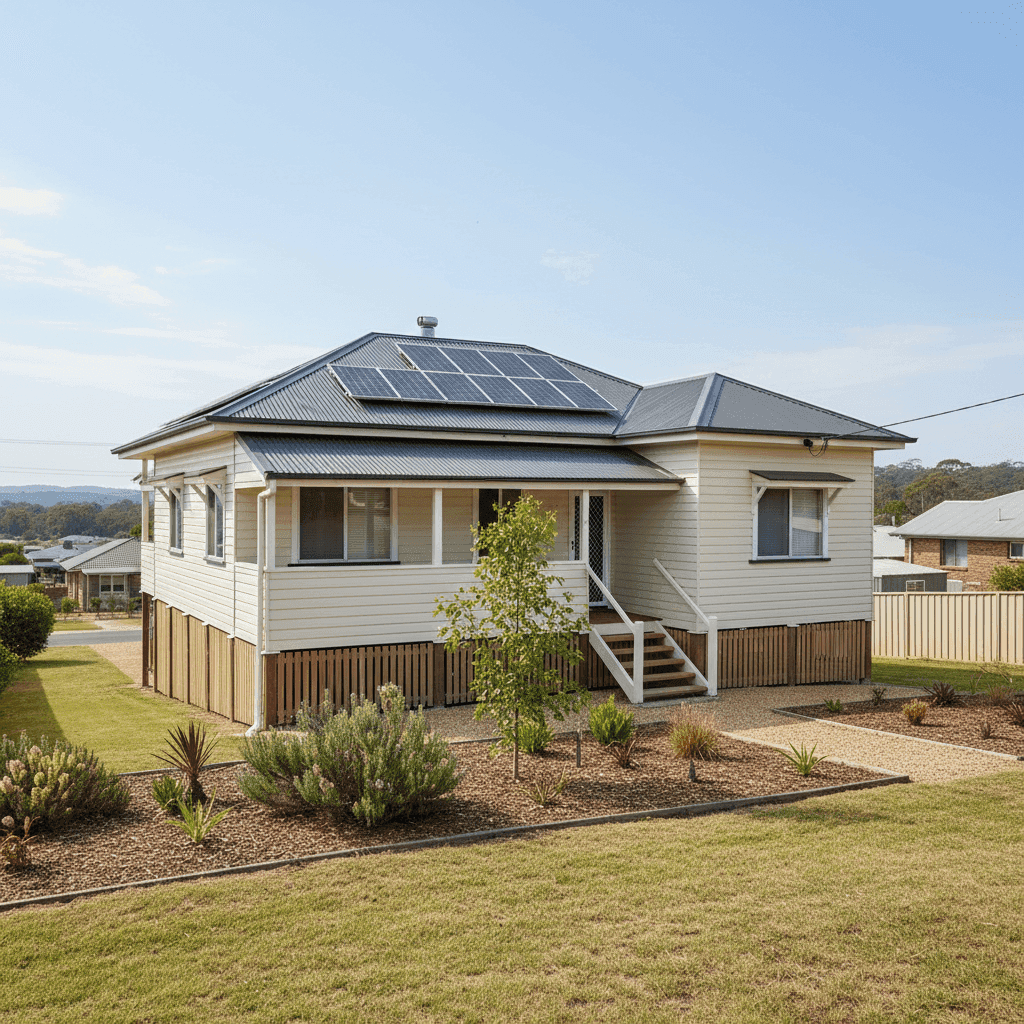
If you own a free standing home in Hallsville, NSW 2340, you're probably curious whether the premium you're being quoted is genuinely competitive — or whether there's a better deal waiting around the corner. In this article, we break down a real home and contents insurance quote for a three-bedroom, one-bathroom weatherboard property in Hallsville, and put the numbers in context against local, state, and national benchmarks.
---
Is This Quote Fair?
The short answer: yes, this looks like a solid deal.
The quote in question comes in at $3,626 per year (or about $341 per month) for combined home and contents cover, with a building sum insured of $600,000 and $50,000 in contents cover. Both the building and contents excesses are set at $1,000 each — a fairly standard arrangement.
CoverClub rates this quote as CHEAP (Below Average), meaning it sits below the typical price range for comparable properties. That's a meaningful result, particularly given the size of the building sum insured. A $600,000 rebuild value is substantial, and securing comprehensive cover at this price point is something worth noting.
Of course, "cheap" doesn't automatically mean the right cover — it's always worth checking what's included and excluded in the policy wording. But from a pure price perspective, this quote performs well.
---
How Hallsville Compares
To understand just how competitive this quote is, it helps to look at the broader pricing landscape.
| Benchmark | Premium |
|---|---|
| This quote | $3,626 / yr |
| Liverpool Plains LGA average | $2,851 / yr |
| NSW state median | $3,770 / yr |
| NSW state average | $9,528 / yr |
| National median | $2,764 / yr |
| National average | $5,347 / yr |
A few things stand out here. The NSW state average of $9,528 per year is strikingly high — this figure is heavily skewed by expensive coastal and flood-prone areas across the state. The median of $3,770 is a far more representative number for typical NSW homeowners, and this quote comes in just below that mark.
Compared to the national picture, the quote sits above the national median of $2,764 but well under the national average of $5,347. The Liverpool Plains LGA average of $2,851 is the lowest reference point here, suggesting that some properties in the region attract lower premiums — likely smaller homes, lower sum insured amounts, or more basic cover types.
It's worth noting that no suburb-level data is currently available for Hallsville specifically. As more quotes are collected for the area, suburb-level comparisons will become available on the Hallsville stats page.
Overall, for the level of cover on offer — a $600,000 building sum insured plus $50,000 in contents — this quote represents genuine value.
---
Property Features That Affect Your Premium
Every property is different, and insurers weigh up a range of physical characteristics when calculating your premium. Here's how the features of this particular home likely influence what you're paying.
Weatherboard Timber Walls
Weatherboard construction is common in older Australian homes and is generally considered a moderate risk by insurers. Timber is more susceptible to fire than brick veneer or full brick, which can push premiums slightly higher. However, it's a well-understood material, and many insurers price it competitively.
Steel / Colorbond Roof
A Colorbond steel roof is actually viewed favourably by most insurers. It's durable, low-maintenance, and performs well in adverse weather. This is likely a positive factor in keeping the premium reasonable.
Stump Foundation
The home sits on stumps, which is typical for older properties in regional NSW. Stumped homes can be more vulnerable to certain types of damage (such as subfloor moisture or pest ingress), but from an insurance pricing perspective, it's a standard construction type that doesn't typically attract a significant loading.
Construction Year: 1965
At roughly 60 years old, this is an older home. Age can be a factor in premium calculations — older electrical wiring, plumbing, and structural elements may carry slightly higher risk. That said, many older homes are well-maintained and don't necessarily attract punishing premiums.
Solar Panels
Solar panels are increasingly common and most insurers include them as part of the building cover — but it's worth confirming this in the policy documents. The presence of solar panels doesn't typically inflate premiums significantly.
Ducted Climate Control
Ducted air conditioning systems represent a meaningful asset within the home. They're generally covered under building insurance, and their inclusion can influence the building sum insured. Make sure your $600,000 figure adequately accounts for the cost of replacing this system.
Timber / Laminate Flooring
Flooring type can affect both the cost of reinstatement and the overall character of the home. Timber floors in older homes can be expensive to replace, so it's worth ensuring your sum insured reflects this.
No Pool, No Cyclone Risk Zone
The absence of a swimming pool removes a common source of liability claims, and the property sits outside designated cyclone risk areas — both factors that help keep the premium in check.
---
Tips for Homeowners in Hallsville
Whether you're reviewing an existing policy or shopping around for the first time, here are a few practical steps worth taking.
1. Review your building sum insured regularly Construction costs have risen sharply in recent years. A $600,000 sum insured may have been adequate when the policy was first taken out, but it's worth running a fresh calculation to ensure it still reflects the true cost of rebuilding your home — including labour, materials, and any site-specific factors like stump replacement.
2. Check your solar panel coverage Not all policies automatically cover solar panels under the building sum insured. Confirm with your insurer that your system is explicitly included, and check whether the policy covers both physical damage and any inverter or battery storage components.
3. Consider the age of your home's systems Older homes can be at higher risk of electrical or plumbing failures. Some insurers offer discounts if you've had recent upgrades carried out — for example, rewiring or replacing old galvanised pipes. It's worth asking your insurer whether any documented improvements can be reflected in your premium.
4. Compare before you renew Loyalty doesn't always pay in insurance. Premiums can shift significantly from year to year, and the market is competitive. Even if your current quote looks reasonable, it's good practice to compare at least every 12 months to make sure you're still getting fair value.
---
Ready to Compare?
A below-average premium is a great starting point, but the best policy is the one that combines competitive pricing with the right level of cover for your home. At CoverClub, you can compare home and contents insurance quotes from a range of Australian insurers in minutes.
Get a quote today at CoverClub and see how your current policy stacks up.