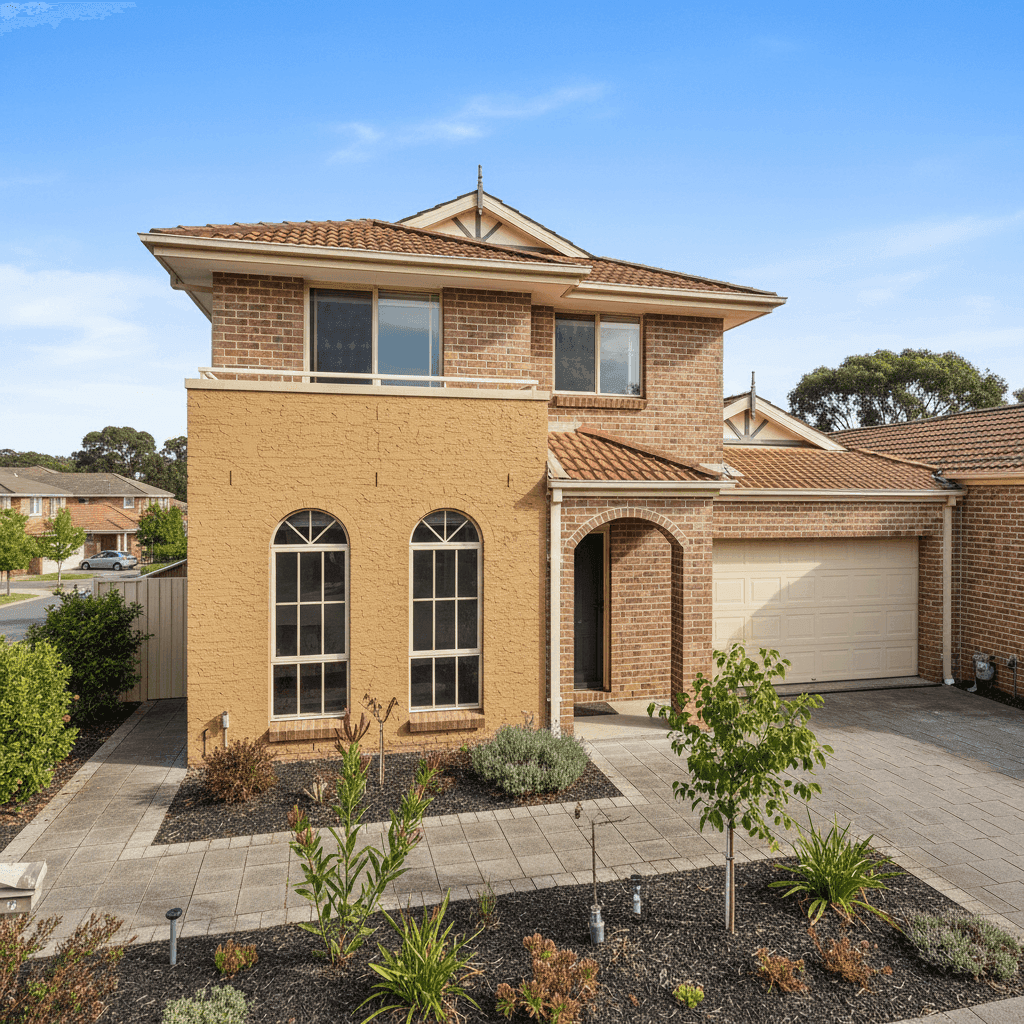
If you own a townhouse in Hamilton Hill, WA 6163, you've probably wondered whether you're paying a fair price for home insurance — or leaving money on the table. This article breaks down a real building insurance quote for a 3-bedroom townhouse in the suburb, comparing it against local, state-wide, and national benchmarks so you can make a genuinely informed decision.
---
Is This Quote Fair?
The quote in question comes in at $661 per year (or roughly $62 per month) for building-only cover on a 3-bedroom, 1-bathroom townhouse with a sum insured of $426,000 and a building excess of $3,000.
Our price rating for this quote is FAIR — Around Average.
That assessment holds up well under scrutiny. The $661 annual premium sits comfortably below the suburb average of $969/yr and also under the suburb median of $762/yr. In fact, it's only slightly above the 25th percentile for Hamilton Hill ($602/yr), meaning roughly three-quarters of comparable quotes in this suburb come in higher. That's a solid result for the homeowner.
It's worth noting that the suburb's premium range is quite wide — from $602/yr at the lower end to $1,296/yr at the 75th percentile. This spread reflects the variety of property types, ages, construction materials, and sum insured values across Hamilton Hill. Sitting closer to the bottom of that range, while still carrying $426,000 in building cover, suggests this quote offers reasonable value.
---
How Hamilton Hill Compares
To put this quote in broader context, here's how Hamilton Hill stacks up against the rest of Western Australia and the national picture:
| Benchmark | Average Premium | Median Premium |
|---|---|---|
| Hamilton Hill (suburb) | $969/yr | $762/yr |
| Fremantle LGA | $1,724/yr | — |
| Western Australia | $2,144/yr | $1,944/yr |
| National | $2,965/yr | $2,716/yr |
The difference is striking. Hamilton Hill homeowners are paying, on average, less than half what Western Australians pay state-wide, and less than a third of the national average. This is largely because Hamilton Hill sits outside designated cyclone risk zones — a factor that dramatically inflates premiums in northern and coastal WA regions.
The Fremantle LGA average of $1,724/yr is notably higher than the Hamilton Hill suburb average, suggesting that other properties within the broader LGA (which includes more varied coastal and heritage stock) attract steeper premiums. Hamilton Hill's position in that context is favourable.
You can explore more data for this postcode at our Hamilton Hill insurance stats page, or compare it against the broader WA state overview and national benchmarks.
---
Property Features That Affect Your Premium
Several characteristics of this particular townhouse play a meaningful role in shaping the premium:
Double Brick construction is one of the most premium-friendly wall types in Australia. It's robust, fire-resistant, and well-regarded by insurers — particularly compared to weatherboard or lightweight cladding. Homes built with double brick typically attract lower base rates because of their structural resilience and reduced susceptibility to storm and impact damage.
Tiled roof is similarly well-regarded. Tiles are durable and perform well in moderate weather conditions. While they can crack under severe hail, they generally hold up better than Colorbond or corrugated iron in everyday conditions, and insurers tend to price them favourably.
Concrete slab foundation offers stability and reduces the risk of subsidence-related claims, which is a positive from an underwriting perspective.
Construction year of 1977 is worth flagging. Homes built in the 1970s can attract slightly higher premiums due to older electrical wiring, plumbing, and roofing components that may not meet current building codes. However, double brick construction from this era is generally considered sound and long-lasting, which likely offsets some of that concern.
No pool, no solar panels, and no ducted climate control all contribute to a simpler risk profile. Each of these features adds complexity — and cost — to a policy, so their absence keeps the premium lean.
130 sqm building size is modest for a 3-bedroom home, which directly influences the sum insured and, in turn, the premium. A smaller footprint means a lower rebuild cost, keeping the $426,000 sum insured proportionate.
---
Tips for Homeowners in Hamilton Hill
1. Review your sum insured regularly Building costs in Perth's southern suburbs have risen considerably in recent years. If your home was insured a few years ago and you haven't updated the sum insured, you could be underinsured. Use a building cost calculator or speak with a quantity surveyor to make sure $426,000 still reflects a realistic rebuild cost for your property.
2. Consider your excess carefully This quote carries a $3,000 building excess — higher than the standard $1,000 or $1,500 many policies default to. A higher excess typically reduces your premium, but it also means a larger out-of-pocket cost when you make a claim. Make sure you could comfortably cover that amount if something went wrong.
3. Don't overlook contents cover This is a building-only policy, which means your furniture, appliances, clothing, and personal belongings aren't protected. If you're renting out the property or own significant contents, adding contents cover — or taking out a separate policy — is worth serious consideration. The contents excess on this quote is listed at $1,000.
4. Shop around at renewal time Insurers adjust their pricing models regularly, and loyalty doesn't always pay. Even if this quote is fair today, it's worth comparing at least two or three alternatives before renewing each year. Premiums can shift significantly between providers for the same property.
---
Compare Your Own Quote
Whether you're buying, renewing, or just curious about what you should be paying, CoverClub makes it easy to see how your premium stacks up. Get a home insurance quote in minutes and compare it against real data from your suburb, your state, and across Australia. No jargon, no pressure — just clear, useful information to help you make the right call.