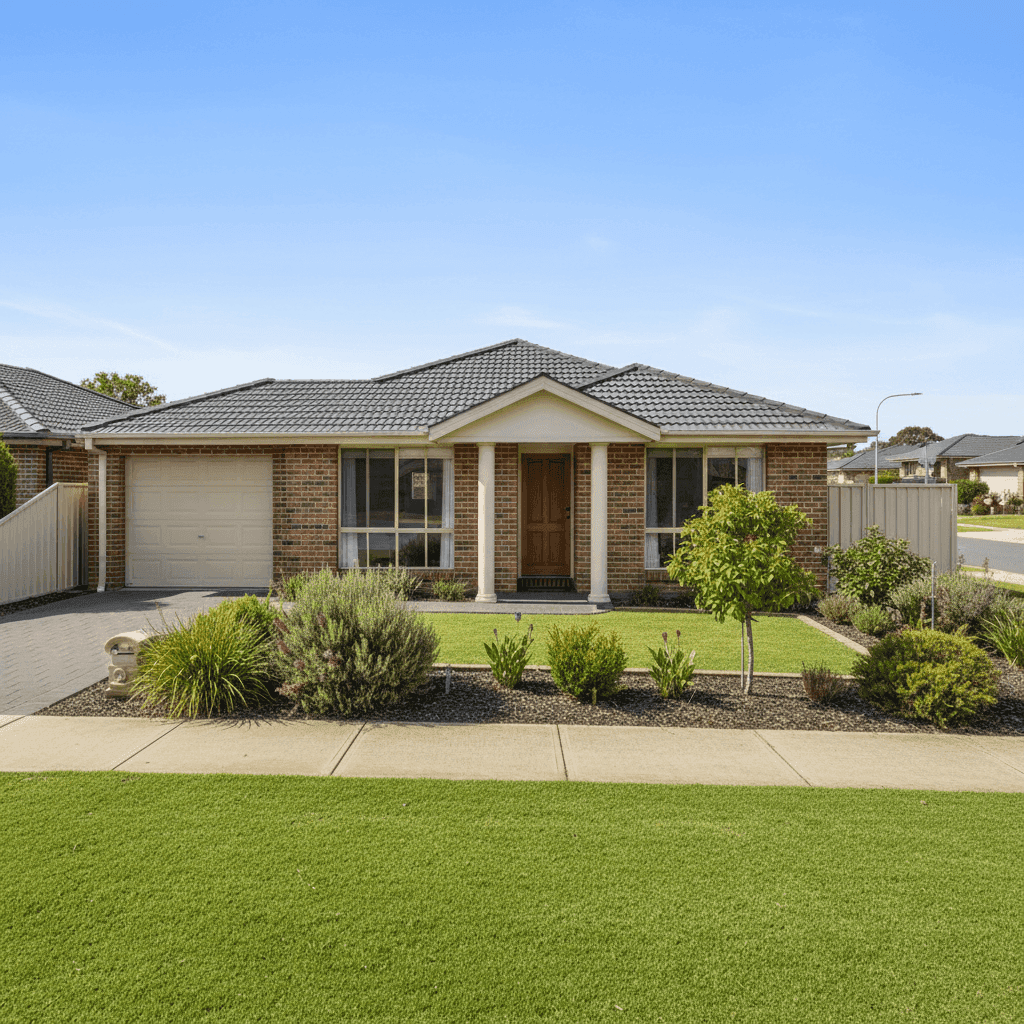
If you own a free standing home in Harrington Park, NSW 2567, you're likely curious about whether you're paying a fair price for home and contents insurance — or leaving money on the table. Harrington Park is a well-established suburb in the Campbelltown LGA, known for its family-friendly streets, modern housing stock, and relatively low natural hazard exposure. This article breaks down a real home and contents insurance quote for a four-bedroom, three-bathroom brick veneer home in the area, and puts the numbers into context using suburb, state, and national benchmarks.
---
Is This Quote Fair?
The quote analysed here comes in at $2,317 per year (or approximately $223 per month) for combined home and contents cover. The building is insured for $831,000 and contents for $202,000, with a $1,000 excess applied to both building and contents claims.
Our price rating for this quote? Cheap — below average. That's a strong result for the homeowner.
To put it in perspective, the suburb average for Harrington Park sits at $3,844 per year, and the median is $3,774. That means this quote is sitting roughly $1,527 below the suburb average — a saving of nearly 40% compared to what many neighbours may be paying. Even measured against the suburb's 25th percentile (the cheapest quarter of quotes), which is $3,036 per year, this quote still comes in well under that mark.
This is a genuinely competitive result, and it's worth understanding both why it may be priced this way and what factors are working in the homeowner's favour.
---
How Harrington Park Compares
Zooming out from the suburb level reveals just how varied home insurance pricing can be across different geographies.
| Benchmark | Annual Premium |
|---|---|
| This Quote | $2,317 |
| Harrington Park Suburb Average | $3,844 |
| Harrington Park Suburb Median | $3,774 |
| Campbelltown LGA Average | $2,555 |
| NSW State Average | $3,801 |
| NSW State Median | $3,410 |
| National Average | $2,965 |
| National Median | $2,716 |
What stands out here is that Harrington Park's suburb average ($3,844) sits notably higher than both the NSW state average ($3,801) and the national average ($2,965). This could reflect a range of factors including the higher-value homes in the area, the sum insured levels commonly quoted, or the mix of insurers active in the postcode.
Interestingly, the Campbelltown LGA average of $2,555 is considerably lower than the Harrington Park suburb average — suggesting that pricing within the broader LGA varies quite a bit depending on the specific suburb and property characteristics. The quote in question, at $2,317, sits below even the LGA average, making it an especially competitive outcome.
It's worth noting that the suburb sample size here is 24 quotes, which is a reasonable dataset but not enormous — so averages can shift as more data comes in. You can always check the latest figures on the Harrington Park suburb stats page.
---
Property Features That Affect Your Premium
Several characteristics of this property are likely contributing to its favourable pricing. Here's what insurers typically consider when assessing a home like this one:
Brick Veneer Construction Brick veneer walls are generally viewed positively by insurers. They offer solid fire resistance and durability compared to timber-framed cladding, which can translate into lower rebuild risk and, in turn, lower premiums.
Tiled Roof Terracotta or concrete tile roofs are a standard and reliable roofing choice. They tend to perform well in storms and are considered lower risk than some alternative materials, which insurers typically reward with more competitive pricing.
Concrete Slab Foundation A slab foundation is common in homes built during the 2000s across New South Wales. It's a stable, well-understood construction method that doesn't carry the same movement risks associated with older stumped or pier-and-beam foundations.
Built in 2005 A construction year of 2005 puts this home in a relatively modern bracket. Homes built in this era generally comply with updated building codes introduced in the late 1990s and early 2000s, which improved structural standards around wind and fire resistance.
No Pool, No Solar Panels The absence of a swimming pool removes a source of liability risk, while no solar panels means there's no added complexity around electrical systems or roof penetrations — both of which can nudge premiums upward.
Ducted Climate Control Ducted air conditioning is a notable inclusion and does add to the replacement value of the home's fixtures and fittings. However, with standard-quality fittings overall, this is unlikely to have a significant negative impact on the premium.
Timber and Laminate Flooring Timber and laminate floors can be a consideration in water damage claims, as they may require full replacement if affected. That said, this is a fairly common flooring type across Australian homes and is well-accounted for in standard policy pricing.
---
Tips for Homeowners in Harrington Park
Whether you're reviewing your current policy or shopping around for the first time, here are some practical steps to make sure you're getting the best value:
- Review your sum insured regularly. Building costs have risen significantly in recent years. Make sure your $831,000 building sum insured still reflects what it would actually cost to rebuild your home from scratch — not just its market value. Underinsurance is one of the most common issues Australian homeowners face at claim time.
- Don't over-insure your contents. It's easy to set a contents value and forget about it. Take stock of what you actually own — furniture, electronics, clothing, appliances — and make sure your $202,000 contents figure is accurate. Overstating contents means you're paying more than you need to; understating them leaves you exposed.
- Compare quotes at renewal, not just when you first buy. Insurance markets shift, and the insurer who offered you the best deal three years ago may not be the most competitive today. Shopping around at each renewal is one of the simplest ways to keep your premiums in check.
- Consider your excess carefully. A $1,000 excess on both building and contents is fairly standard. If you're comfortable covering smaller claims yourself, increasing your excess can reduce your annual premium — just make sure the trade-off makes sense for your financial situation.
---
Compare Your Home Insurance Quote Today
Wondering whether your current home insurance premium is competitive? CoverClub makes it easy to see how your quote stacks up against real data from your suburb, LGA, state, and across Australia. Whether you're in Harrington Park or anywhere else in NSW, you can get a home and contents insurance quote in minutes and see exactly where you stand. Don't pay more than you need to — compare today.