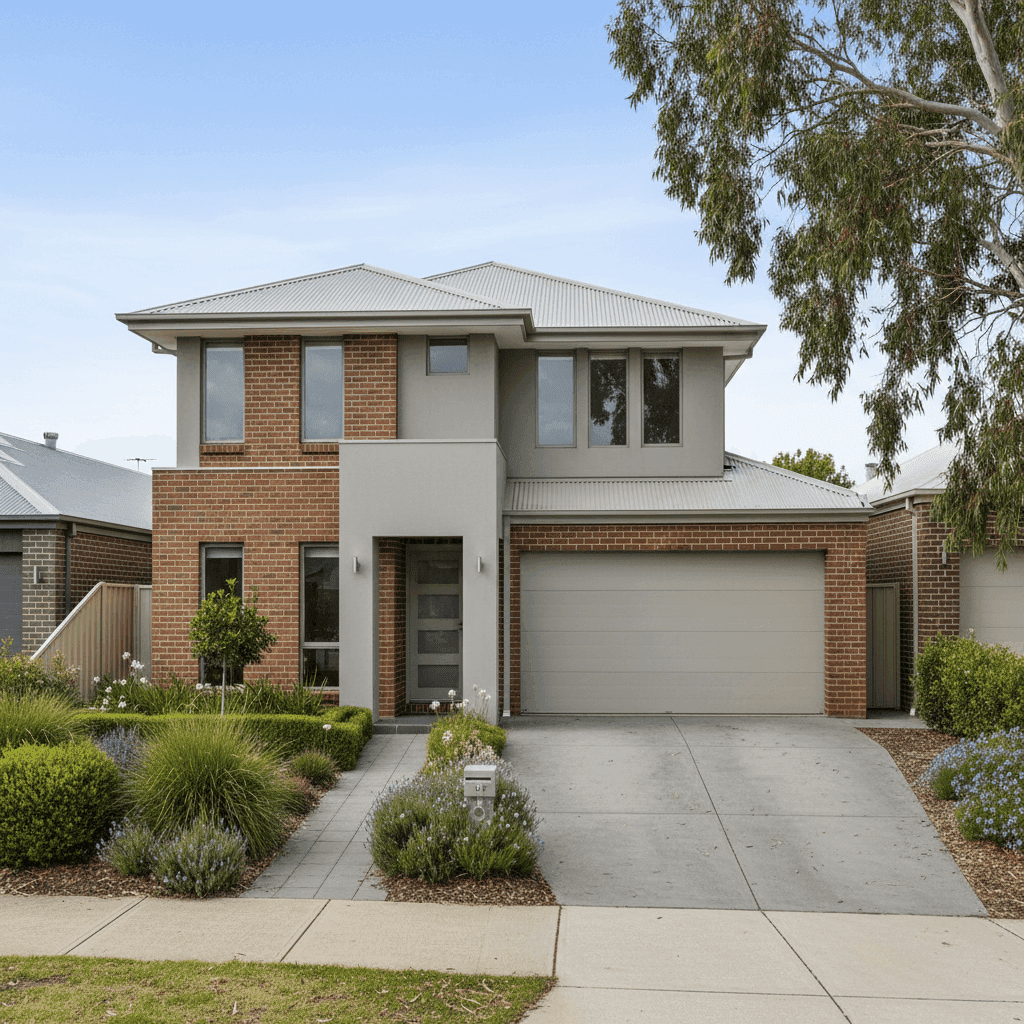
Harrison is a well-established suburb in Canberra's north, sitting within the ACT's 2914 postcode and popular with families drawn to its modern streetscapes and proximity to Gungahlin Town Centre. If you own a free standing home here, you're likely paying close attention to the cost of protecting it — and with good reason. This article breaks down a real home and contents insurance quote for a five-bedroom, three-bathroom free standing home in Harrison, examining whether the premium is competitive and what factors are pushing the price up or down.
---
Is This Quote Fair?
The quote in question comes in at $2,745 per year (or $269 per month) for combined home and contents cover, with a $1,000 excess on both building and contents. The building is insured for $1,650,000 and contents for $100,000.
Our price rating for this quote is Expensive — Above Average, and the data backs that up.
When stacked against the Harrison suburb average of $1,734 per year, this quote is sitting roughly 58% above what most homeowners in the same postcode are paying. Even the 75th percentile for the suburb — meaning only 25% of quotes are more expensive — sits at just $1,860 per year. This quote clears that figure by nearly $900.
That said, context matters. The suburb comparison pool of 61 quotes may include a range of property sizes and sum insured values that differ significantly from this one. A 315 sqm home insured for $1.65 million is a substantial asset, and the premium reflects that scale.
---
How Harrison Compares
To put this quote in perspective, here's how it sits across different benchmarks:
| Benchmark | Premium |
|---|---|
| This Quote | $2,745/yr |
| Harrison Suburb Average | $1,734/yr |
| Harrison Suburb Median | $1,709/yr |
| ACT State Average | $2,203/yr |
| ACT State Median | $2,112/yr |
| LGA (Unincorporated ACT) Average | $2,352/yr |
| National Average | $2,965/yr |
| National Median | $2,716/yr |
The quote is above the ACT state average by around $542 per year and above the LGA average by roughly $393. Interestingly, it falls below the national average of $2,965 — so while it's pricey for Harrison specifically, it's not out of step with what Australians in higher-risk or higher-value markets are paying elsewhere.
The gap between the Harrison suburb average and this quote is the most telling figure. Homeowners in this postcode are generally securing cheaper cover, but many of those properties are likely smaller or insured for lower replacement values. For a large, above-average-quality home, a higher premium is expected — the question is whether the specific insurer and policy are offering genuine value.
---
Property Features That Affect Your Premium
Several characteristics of this property directly influence what insurers charge. Understanding these can help you make sense of the quote and identify potential savings.
Size and sum insured: At 315 sqm with a building sum insured of $1,650,000, this is a large home with a high replacement cost. Insurers price premiums proportionally to the amount they'd need to pay out in a total loss scenario, so a higher sum insured naturally attracts a higher premium. It's worth periodically reviewing your sum insured to ensure it's accurate — over-insuring is a common and costly mistake.
Brick veneer construction: Brick veneer walls are generally viewed favourably by insurers. They offer solid fire resistance and durability compared to full-timber or weatherboard homes, which can help moderate premiums. This construction type is common in ACT suburbs built from the 1990s onwards.
Steel/Colorbond roof: Colorbond roofing is highly regarded in the insurance industry. It's resistant to fire, hail, and corrosion, and performs well in a range of weather conditions. This is a positive factor for your premium.
Stump foundation: Homes on stumps (also known as pier or post foundations) can sometimes attract slightly more scrutiny from insurers due to the potential for subfloor movement or moisture issues, though in a well-maintained modern home built in 2008, this is unlikely to be a significant loading factor.
Above-average fittings: The property's above-average fittings quality — think stone benchtops, quality appliances, premium fixtures — contributes to a higher rebuild cost, which flows through to a higher sum insured and premium. This is appropriate; underinsuring a premium home is a risk not worth taking.
No pool, no solar, no cyclone risk: The absence of a pool, solar panels, and cyclone zone classification all work in the homeowner's favour. Each of these can add complexity and cost to a policy, so their absence keeps things simpler.
---
Tips for Homeowners in Harrison
If you're looking to ensure you're getting the best possible value on your home insurance, here are four practical steps worth taking:
- Shop around and compare quotes. The single most effective way to reduce your premium is to get multiple quotes. The spread between the cheapest and most expensive quotes for equivalent cover can be substantial — sometimes thousands of dollars per year. Use CoverClub to compare quotes for your Harrison home and see what's available in the market right now.
- Review your sum insured annually. Building costs in the ACT have risen sharply in recent years. Make sure your sum insured reflects current construction costs — not what you paid for the home or what it's worth on the market. Tools like the Cordell Sum Sure calculator can help, or ask your insurer how they calculate replacement value.
- Consider your excess level. Opting for a higher voluntary excess (say, $2,000 instead of $1,000) can meaningfully reduce your annual premium. If you have an emergency fund and are unlikely to make small claims, this can be a smart trade-off.
- Bundle your building and contents cover. This quote already combines both, which is often the most cost-effective approach. Many insurers offer discounts for bundled policies, so if you're currently holding separate policies, it's worth checking whether a combined policy saves you money.
---
Compare Your Home Insurance Today
Whether this quote represents good value depends on what's included in the policy — the devil is always in the detail with insurance. Comparing policies side by side is the best way to find cover that suits your needs at a price that's fair for your property.
Get a home insurance quote for your Harrison property at CoverClub and see how your current premium stacks up against the broader market. With suburb-level data for Harrison ACT 2914 and ACT-wide benchmarks at your fingertips, you'll have everything you need to make a confident, informed decision.