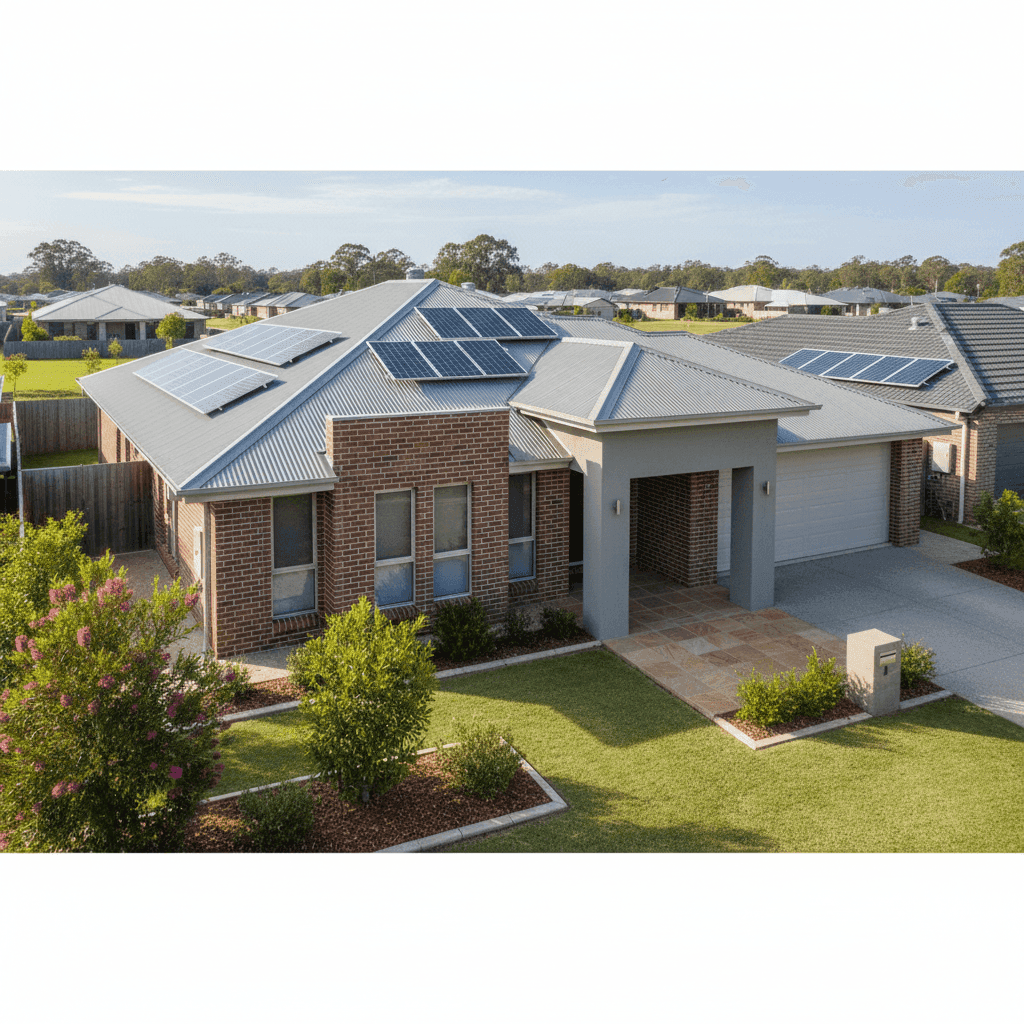
If you own a free standing home in Hatton Vale, QLD 4341, you're likely no stranger to the challenge of finding competitive home insurance. Nestled in the Lockyer Valley region west of Brisbane, Hatton Vale is a growing semi-rural suburb where property values — and insurance premiums — can vary significantly. This article breaks down a real home and contents insurance quote for a three-bedroom brick veneer home in the area, compares it against local, state, and national benchmarks, and offers practical tips to help you get better value on your cover.
---
Is This Quote Fair?
The quote in question comes in at $3,069 per year (or $294/month) for combined home and contents cover, with a building sum insured of $679,000 and contents valued at $50,000. The building excess is $1,000 and the contents excess is $500.
Our price rating for this quote is EXPENSIVE — above average for the Hatton Vale area.
To put that in context, the suburb average premium sits at $2,482/year, and the median is even lower at $2,372/year. This quote is roughly $587 above the suburb average and sits well above the 75th percentile threshold of $2,884/year — meaning it's more expensive than at least three-quarters of comparable quotes gathered in the area.
That said, "expensive" doesn't automatically mean "wrong." A higher sum insured, premium property features, and the specific insurer's risk appetite all play a role in what you're charged. The key question is whether this level of cover is being priced efficiently — or whether there's room to shop around.
---
How Hatton Vale Compares
Understanding where Hatton Vale sits in the broader insurance landscape is useful context for any homeowner. Here's how the numbers stack up:
| Benchmark | Annual Premium |
|---|---|
| This Quote | $3,069 |
| Hatton Vale Suburb Average | $2,482 |
| Hatton Vale Suburb Median | $2,372 |
| Hatton Vale 25th Percentile | $2,019 |
| Hatton Vale 75th Percentile | $2,884 |
| QLD State Median | $3,903 |
| National Median | $2,764 |
| Lockyer Valley LGA Average | $11,404 |
Note: Suburb data is based on 13 quotes — a relatively small sample, so treat averages as indicative rather than definitive.
A few things stand out here. First, this quote — while above the suburb average — is actually below the Queensland state median of $3,903/year. That's a meaningful distinction: Queensland homeowners as a whole pay considerably more for insurance than the national median, largely due to the state's elevated exposure to severe weather events including floods, storms, and cyclones.
Second, the Lockyer Valley LGA average of $11,404/year is strikingly high. This figure is heavily influenced by flood-affected properties in the region — the Lockyer Valley was devastated by major flooding events in 2011 and 2013 — and serves as a reminder that location-specific risk can dramatically skew averages. Hatton Vale's own suburb average is far more modest, suggesting the area carries comparatively lower flood risk than some neighbouring parts of the LGA.
You can explore more local data on the Hatton Vale suburb stats page, compare with the rest of Queensland here, or view national home insurance benchmarks.
---
Property Features That Affect Your Premium
Every home is unique, and insurers assess a range of property characteristics when calculating your premium. Here's how the features of this particular home are likely influencing the quote:
Brick Veneer Walls & Colorbond Roof Brick veneer construction is generally viewed favourably by insurers — it offers solid fire resistance and durability. A steel Colorbond roof is also considered a resilient choice, performing well against hail and high winds. Together, these materials typically attract more competitive premiums compared to timber-framed or older construction types.
Concrete Slab Foundation A slab foundation is standard for Queensland homes built in this era and is generally considered low-risk from an insurance perspective. It offers stability and reduces the likelihood of subsidence-related claims.
Built in 2013 At just over a decade old, this home is relatively modern. Newer builds tend to comply with updated building codes, which can work in your favour with some insurers — particularly post-2011 code changes that addressed flood and storm resilience in Queensland.
214 sqm & $679,000 Sum Insured The building sum insured of $679,000 is on the higher end for a 214 sqm home in this area. It's worth periodically reviewing your sum insured to ensure it reflects current rebuild costs — neither over-insuring (which inflates premiums unnecessarily) nor under-insuring (which can leave you exposed at claim time).
Solar Panels & Ducted Climate Control Both solar panels and ducted air conditioning are considered additional risk items by insurers. Solar panels can be damaged by hail or storms and may need to be included in your building sum insured. Ducted systems are expensive to replace and can increase the overall insured value. These features likely contribute to the above-average premium.
Tiles Throughout Tiled flooring is a practical and durable choice, and generally has a neutral-to-positive effect on premiums compared to carpet or timber flooring, which can be more susceptible to water damage.
---
Tips for Homeowners in Hatton Vale
1. Shop around — seriously With this quote sitting above the suburb's 75th percentile, there's a reasonable chance a comparable policy is available at a lower price point. Use a comparison tool like CoverClub to gather multiple quotes side by side before renewing.
2. Review your building sum insured At $679,000 for a 214 sqm home, it's worth double-checking whether this figure accurately reflects your rebuild cost (not market value). An independent quantity surveyor or your insurer's calculator can help you land on the right number — avoiding both over-insurance and underinsurance.
3. Consider a higher excess to reduce your premium If you're financially comfortable absorbing a slightly larger out-of-pocket cost in the event of a claim, opting for a higher voluntary excess can meaningfully reduce your annual premium. Even shifting from a $1,000 to a $2,000 building excess could save you hundreds per year with some insurers.
4. Ask about discounts for security and safety features Some insurers offer discounts for homes with monitored alarm systems, deadbolts, or smoke detectors. If your home has any of these features and they weren't factored into your quote, it's worth asking your insurer directly.
---
Ready to Compare?
Whether you're renewing your existing policy or shopping for cover for the first time, comparing quotes is the single most effective way to ensure you're not overpaying. CoverClub makes it easy to see how your premium stacks up and find better value — without the hassle.