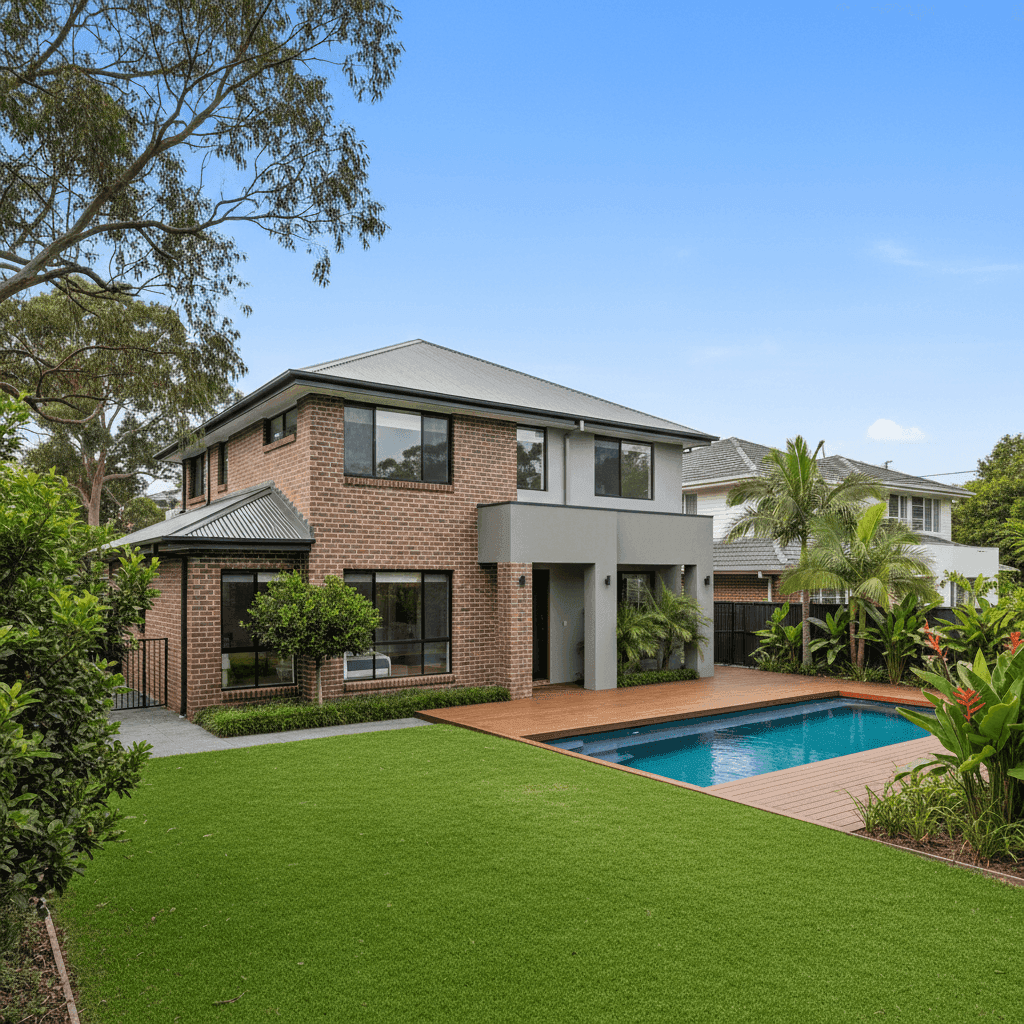
Hawthorne is one of Brisbane's most sought-after inner-east suburbs — a leafy, riverside pocket of Queensland that blends character charm with modern family living. If you own a free-standing home here, you already know the real estate doesn't come cheap. But what about the cost of protecting it? This article breaks down a real building insurance quote for a four-bedroom, four-bathroom brick veneer home in Hawthorne (QLD 4171), and puts that number into context against suburb, state, and national benchmarks.
---
Is This Quote Fair?
The quote in question sits at $11,871 per year (or $1,138/month) for building-only cover on a home with a sum insured of $1,633,000 and a building excess of $5,000. Our price rating for this quote is Expensive (Above Average).
That rating isn't arbitrary. Based on suburb-level data for Hawthorne, the median annual premium sits at $10,257, meaning this quote lands above the midpoint of what other homeowners in the same postcode are paying. More specifically, it sits just above the 75th percentile threshold of $11,373 — meaning roughly three-quarters of comparable quotes in the suburb come in lower.
That said, context matters. A $1,633,000 sum insured is substantial, and it's driving much of the premium cost. Homes insured at that level carry greater financial exposure for insurers, and that's reflected in the price. So while the quote is above average, it's not wildly out of step for a high-value property — it's the combination of rebuild cost and property features that places it in the upper tier.
---
How Hawthorne Compares
To understand whether this premium is reasonable, it helps to zoom out and look at the broader picture.
| Benchmark | Annual Premium |
|---|---|
| This quote | $11,871 |
| Hawthorne suburb median | $10,257 |
| Hawthorne suburb average | $151,093* |
| Brisbane LGA average | $16,277 |
| QLD state average | $9,129 |
| QLD state median | $3,903 |
| National average | $5,347 |
| National median | $2,764 |
\The Hawthorne suburb average is significantly skewed by high-value outlier properties in the sample of 36 quotes — the median is a far more reliable indicator for most homeowners.*
Compared to the Queensland state average of $9,129, this quote is about 30% higher. Against the national average of $5,347, it's more than double — but that gap is largely explained by the premium inner-Brisbane location and the high rebuild value of the property. Brisbane's LGA average of $16,277 actually makes this quote look relatively competitive for the region.
The key takeaway: Hawthorne is an expensive suburb to insure, and this quote reflects that reality. However, there's still meaningful variation within the suburb (from $4,254 at the 25th percentile to $11,373 at the 75th), which means shopping around can genuinely make a difference.
---
Property Features That Affect Your Premium
Several characteristics of this property directly influence what insurers charge. Here's how each one plays a role:
Brick Veneer Walls Brick veneer is generally viewed favourably by insurers. It's durable, fire-resistant, and relatively low-maintenance — all factors that reduce risk in an insurer's eyes. Compared to timber-clad or lightweight cladding, brick veneer homes often attract more competitive premiums.
Steel/Colorbond Roof Colorbond roofing is another tick in the right column. It's resistant to fire, corrosion, and high winds, and it performs well in Queensland's storm season. Insurers tend to price this more favourably than terracotta tiles, which can crack and dislodge in severe weather.
Slab Foundation A concrete slab foundation is structurally sound and reduces the risk of subsidence or underfloor moisture issues — both of which can be costly claims. It's a neutral-to-positive factor for premium pricing.
Timber/Laminate Flooring While timber and laminate floors are popular and add value to a home, they can be more expensive to repair or replace after water damage compared to tiles. This is a minor factor, but it does contribute to overall rebuild cost estimates.
Above-Average Fittings Quality This is one of the more significant premium drivers. Above-average fittings — think stone benchtops, quality appliances, designer fixtures — increase the cost to rebuild or restore the home to its original standard. Insurers price this risk accordingly, and it's a key reason why the sum insured reaches $1,633,000.
Swimming Pool Having a pool adds liability exposure and increases the complexity of a rebuild. Most insurers factor this into their pricing, particularly when calculating the total sum insured.
Ducted Climate Control Ducted air conditioning systems are expensive to repair or replace. Their inclusion in the building's infrastructure contributes to a higher sum insured and, by extension, a higher premium.
Built in 2005 At around 20 years old, this home is relatively modern — old enough to have some wear, but well within the range that insurers consider standard risk. Homes built post-2000 typically meet more stringent building codes, which can work in your favour.
---
Tips for Homeowners in Hawthorne
1. Review your sum insured regularly Building costs fluctuate, and your sum insured should reflect current rebuild costs — not the purchase price or market value of the land. Underinsurance is a serious risk, but overinsurance means you're paying premiums on coverage you don't need. Use a qualified quantity surveyor or an online rebuild calculator to check your figures annually.
2. Compare quotes before renewal Loyalty doesn't always pay in insurance. Insurers frequently offer better rates to new customers than to existing ones. With the variation seen in Hawthorne — from $4,254 to over $11,000 — it's well worth running a fresh comparison at CoverClub before your policy auto-renews.
3. Consider your excess strategically This quote carries a $5,000 building excess. Opting for a higher excess is one of the most effective ways to reduce your annual premium. If you have the financial buffer to cover a larger out-of-pocket cost in the event of a claim, increasing your excess can deliver meaningful savings over time.
4. Check what's actually covered Building-only cover protects the structure — walls, roof, fixed fittings, and permanent fixtures like the pool and ducted air conditioning. It does not cover your contents. If you have valuable furniture, electronics, or personal belongings, a separate contents policy (or a combined building and contents policy) is worth considering.
---
Compare Your Home Insurance Today
Whether this quote is the right fit or just a starting point, the smartest move is to compare. CoverClub makes it easy to see how your premium stacks up against real data from your suburb and beyond. Get a home insurance quote at CoverClub and find out if you're paying a fair price — or if there's a better deal waiting for you.