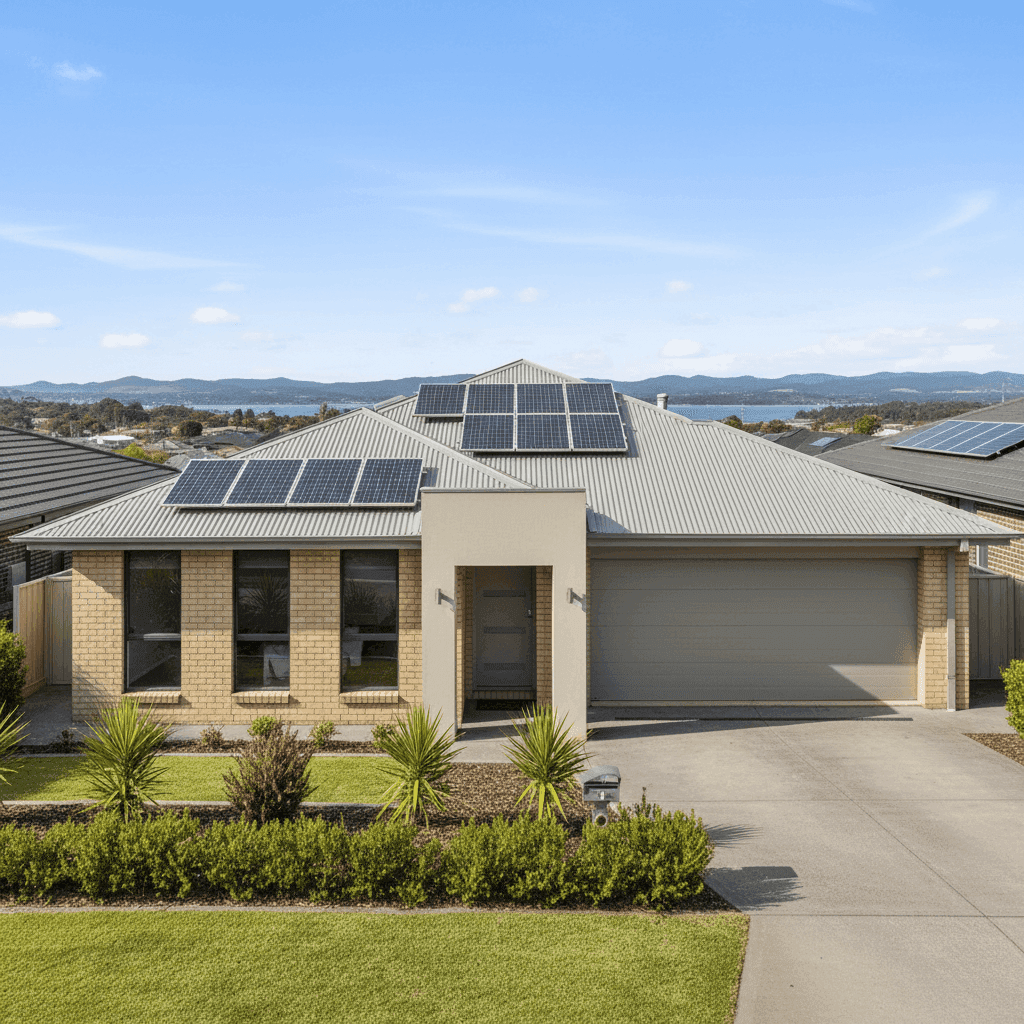
If you own a free standing home in Haywards Bay, NSW 2530, you're likely curious about whether you're paying a fair price for home insurance. This article breaks down a real home and contents insurance quote for a four-bedroom property in the suburb, benchmarks it against local, state, and national data, and offers practical advice to help you make a more informed decision at renewal time.
---
Is This Quote Fair?
The quote in question comes in at $1,955 per year (or $194/month) for combined home and contents cover, with a building sum insured of $732,000 and contents valued at $50,000. Both the building and contents excess are set at $5,000.
Based on available comparison data, this quote is rated Expensive — above average for the Haywards Bay area. It sits comfortably above the suburb's average premium of $1,535/yr and well above the median of $1,383/yr. In fact, it even exceeds the 75th percentile for the suburb, which sits at $1,719/yr — meaning this quote is pricier than roughly three-quarters of comparable quotes in the area.
That said, "expensive" doesn't automatically mean "wrong." A higher sum insured, specific property features, and the insurer's own pricing model all play a role. The key question is whether the level of cover justifies the cost — and whether shopping around could deliver similar protection at a lower price point.
---
How Haywards Bay Compares
To put this quote in context, here's how Haywards Bay stacks up against broader benchmarks:
| Benchmark | Average Premium | Median Premium |
|---|---|---|
| Haywards Bay (suburb) | $1,535/yr | $1,383/yr |
| Wollongong LGA | $2,751/yr | — |
| NSW (state) | $9,528/yr | $3,770/yr |
| National | $5,347/yr | $2,764/yr |
(Based on a sample of 15 quotes in the Haywards Bay suburb. For more detail, visit the [Haywards Bay insurance stats page](https://coverclub.com.au/stats/NSW/2530/haywards-bay).)
At first glance, the NSW state average of $9,528/yr looks alarming — but this figure is heavily skewed by high-risk and high-value properties across the state, particularly in flood-prone, bushfire-prone, or coastal areas. The median of $3,770/yr is a more representative figure, and against that benchmark, the $1,955 quote actually looks quite reasonable.
Similarly, the national average of $5,347/yr is dragged upward by extreme premiums in cyclone-affected regions of Queensland and Western Australia. The national median of $2,764/yr is again more instructive — and this Haywards Bay quote sits below that figure.
Compared to the broader NSW insurance landscape, Haywards Bay is a relatively affordable suburb to insure. The Wollongong LGA average of $2,751/yr also suggests that many properties in the region attract higher premiums than what's been quoted here, likely due to flood or storm exposure in lower-lying parts of the LGA.
So while this quote is on the expensive side within Haywards Bay itself, it compares favourably to broader NSW and national figures.
---
Property Features That Affect Your Premium
Every insurer prices risk differently, but certain property characteristics consistently influence premiums. Here's how the features of this particular home come into play:
- Brick veneer construction: Brick veneer walls are generally viewed favourably by insurers. They offer solid fire resistance and structural durability, which can help moderate premiums compared to timber-framed or clad homes.
- Steel/Colorbond roof: Colorbond roofing is popular across Australia for good reason — it's lightweight, durable, and resistant to corrosion. Insurers typically regard it as a lower-risk roofing material compared to older tile or fibrous cement options.
- Concrete slab foundation: Slab foundations are considered low-risk in stable soil conditions. They're common in NSW homes built from the 1990s onward and generally don't attract any premium loading.
- Built in 2010: A relatively modern home means updated wiring, plumbing, and construction standards. Newer builds tend to attract lower premiums than ageing properties that may have outdated infrastructure.
- Solar panels: While solar panels themselves don't dramatically increase premiums, they do add to the replacement value of the home. It's worth confirming with your insurer that panels are explicitly covered under your building policy — not all standard policies include them automatically.
- Ducted climate control: Ducted air conditioning systems are costly to repair or replace. Their inclusion in the sum insured is important, and some insurers may factor this into their pricing.
- 235 sqm building size: At 235 square metres, this is a generously sized home. Larger floor areas mean higher rebuild costs, which directly influences the building sum insured — and therefore the premium.
- No pool: The absence of a swimming pool removes a common liability risk, which can marginally reduce premiums compared to homes with pools.
---
Tips for Homeowners in Haywards Bay
If you're looking to get better value on your home insurance without compromising on cover, here are some practical steps worth considering:
1. Review Your Sum Insured Carefully
At $732,000, the building sum insured needs to accurately reflect the full cost of rebuilding your home from scratch — including demolition, materials, and labour at current rates. Underinsuring can leave you exposed in a total loss scenario, while overinsuring means you're paying more than necessary. Consider getting a professional building replacement cost assessment, particularly if construction costs in your area have shifted since you last updated your policy.
2. Compare Quotes Before Renewing
Loyalty rarely pays in insurance. Insurers often reserve their best pricing for new customers, meaning long-term policyholders can end up paying a premium loading simply for staying put. With this quote sitting above the suburb's 75th percentile, it's well worth running a fresh comparison at CoverClub to see what other insurers are offering for the same level of cover.
3. Consider Your Excess Level
Both the building and contents excess on this policy are set at $5,000 — which is on the higher end. A higher excess typically lowers your annual premium, but it also means a larger out-of-pocket cost if you need to make a claim. Make sure your chosen excess level is realistic for your financial situation, and ask your insurer how the premium changes at different excess points.
4. Check What's Actually Covered
Not all home and contents policies are created equal. Before focusing solely on price, review the Product Disclosure Statement (PDS) to confirm cover for key items like solar panels, storm damage, accidental damage, and temporary accommodation costs. A cheaper policy that excludes critical cover may cost you far more in the long run.
---
Ready to Find a Better Deal?
Whether you're renewing soon or just benchmarking your current policy, comparing quotes is the smartest first step. At CoverClub, we make it easy to see how your premium stacks up and find competitive options for your home in Haywards Bay. Get a home insurance quote today and find out if you could be paying less for the same level of protection.