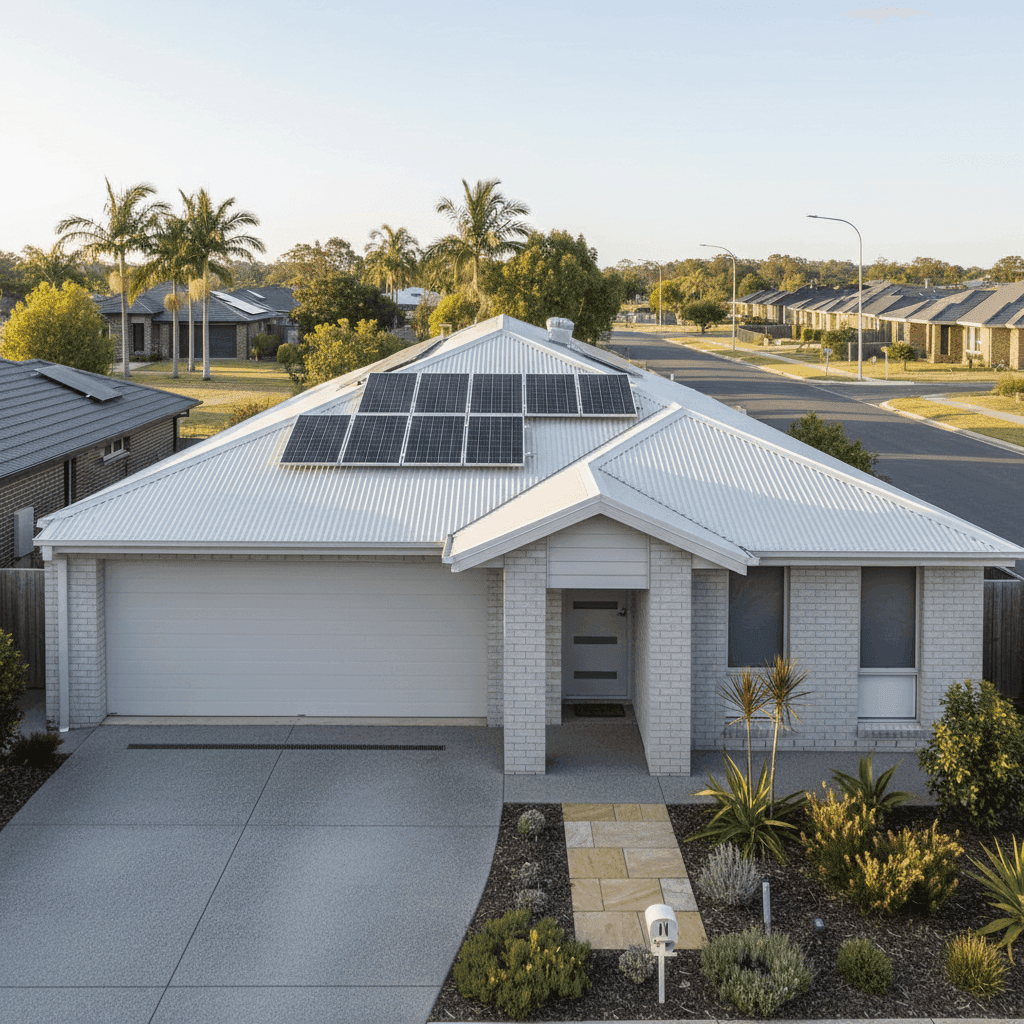
Heathwood is a modern residential suburb in Brisbane's south-west corridor, known for its relatively new housing stock and family-friendly streetscapes. This analysis looks at a home and contents insurance quote for a four-bedroom, two-bathroom free standing home in the area — and unpacks whether the premium on offer represents good value, fair value, or something worth shopping around on.
---
Is This Quote Fair?
The quote in question comes in at $1,904 per year (or $187 per month) for combined home and contents cover, with a $670,000 building sum insured and $25,000 in contents cover. Both the building and contents excess are set at $1,000.
CoverClub's pricing engine has rated this quote as Fair — Around Average, which means it's sitting in a reasonable range but isn't the sharpest price available in the market. It's not a standout deal, but it's also not overpriced to the point of concern.
To put that in context: the suburb average premium in Heathwood sits at $1,449 per year, with a median of $1,366. This quote is above both of those figures, landing closer to the 75th percentile of $1,960. That means roughly three-quarters of comparable quotes in the suburb are cheaper — so there's a real argument for comparing alternatives before committing.
That said, premiums are influenced by a wide range of property-specific and insurer-specific factors, so a higher-than-median quote doesn't automatically mean you're being overcharged. The sum insured here ($670,000 for the building alone) is on the higher end, which will naturally push the premium up compared to homes insured for less.
---
How Heathwood Compares
One of the most striking takeaways from this data is just how affordable Heathwood is relative to the broader Queensland and national picture. Check out the full suburb stats for Heathwood (QLD 4110) to see more.
| Benchmark | Average Premium | Median Premium |
|---|---|---|
| Heathwood (suburb) | $1,449/yr | $1,366/yr |
| Queensland (state) | $9,129/yr | $3,903/yr |
| Australia (national) | $5,347/yr | $2,764/yr |
| Brisbane LGA | $16,277/yr | — |
The Queensland state average of $9,129 per year is heavily skewed by high-risk areas — particularly cyclone-prone regions in Far North Queensland, where premiums can be eye-watering. The Brisbane LGA average of $16,277 is similarly distorted, likely pulled upward by flood-affected suburbs and higher-value properties across the city.
Compared to the national average of $5,347, this Heathwood quote looks genuinely competitive. Homeowners in coastal or flood-prone areas across the country are routinely paying multiples of what a typical Heathwood resident pays — a reflection of the suburb's relatively benign risk profile.
It's worth noting that the suburb sample size here is 21 quotes, which is a reasonable dataset but not enormous. Averages can shift as more data comes in, so treat these figures as a useful guide rather than an absolute benchmark.
---
Property Features That Affect Your Premium
The characteristics of this particular home play a meaningful role in shaping its insurance cost. Here's how the key features stack up:
Brick Veneer Walls Brick veneer is one of the most common external wall materials in Australian suburbia, and insurers generally view it favourably. It offers solid fire resistance and durability, which can help keep premiums in check compared to timber-clad or weatherboard homes.
Steel/Colorbond Roof Colorbond roofing is highly regarded by insurers — it's lightweight, durable, resistant to fire and corrosion, and holds up well in storms. For a Queensland home, where severe weather events are a real consideration, this is a positive factor.
Concrete Slab Foundation A slab foundation is standard for modern Queensland builds and is generally considered low-risk from an insurance perspective. It's less susceptible to subsidence and termite ingress compared to older raised timber stumps.
Built in 2019 Newer homes benefit from modern building codes, which mandate higher standards for cyclone and storm resistance, fire safety, and structural integrity. A 2019 build is essentially a new home in insurance terms, and that typically translates to lower risk assessments.
Solar Panels Solar panels are increasingly common on Australian homes, but they do add a layer of complexity to insurance. The panels themselves need to be covered — either under the building policy or as a specified item — and some insurers charge a small loading for the added replacement cost. It's worth confirming with your insurer exactly how your solar system is covered.
Tile Flooring Tiles are a practical and popular choice in Queensland's climate. From an insurance standpoint, they're durable and easy to replace, which can be a minor positive when it comes to contents and building claims.
No Pool, No Ducted Climate Control The absence of a pool removes a notable liability risk (and a common source of claims), while the lack of ducted air conditioning means there's no large mechanical system that could fail and require costly repair or replacement.
---
Tips for Homeowners in Heathwood
1. Review your building sum insured carefully At $670,000, the building sum insured in this quote is substantial. Make sure this figure reflects the actual cost to rebuild your home from scratch — not its market value. Underinsurance is a common problem in Australia, but overinsurance means you're paying more premium than necessary. A quantity surveyor or online rebuild calculator can help you land on the right number.
2. Compare quotes before renewing With this quote sitting above the suburb median, it's worth running a comparison at renewal time. Getting a quote through CoverClub takes just a few minutes and can surface meaningfully cheaper options from different insurers — sometimes for identical or better coverage.
3. Ask your insurer about solar panel coverage Don't assume your solar panels are automatically covered. Some policies include them as part of the building, others require them to be listed separately. Given the cost of a modern solar system, it's worth a quick call to confirm exactly what's covered and up to what limit.
4. Consider whether $25,000 in contents cover is enough Contents cover of $25,000 is on the lower side for a four-bedroom home. Take a room-by-room inventory of your furniture, appliances, clothing, electronics, and valuables — you may find the replacement cost adds up to significantly more than you'd expect. Underinsuring your contents can leave you seriously out of pocket after a major claim.
---
Compare Your Home Insurance Today
Whether you're reviewing an existing policy or shopping for the first time, comparing quotes is the single best thing you can do to make sure you're not overpaying. CoverClub makes it easy to see what multiple insurers would charge for your specific property — so you can make a genuinely informed decision.