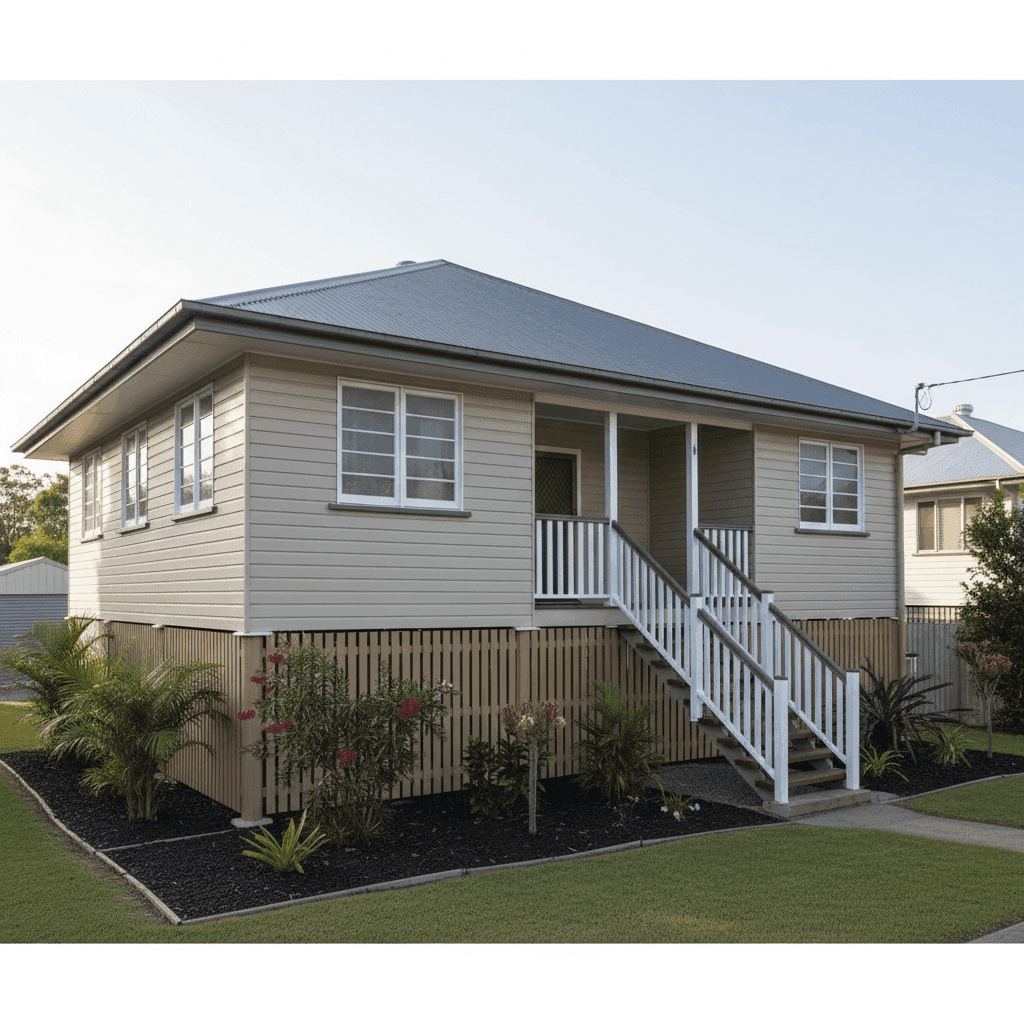
Heatley is a quiet residential suburb in Townsville's southern belt, home to a mix of post-war and mid-century houses that reflect North Queensland's distinctive architectural character. If you own a free standing home in this area, you already know that insurance isn't cheap — cyclone risk, humidity, and the age of local housing stock all push premiums higher than the national norm. But how does a specific quote stack up? Let's break it down.
---
Is This Quote Fair?
The quote in question — $5,531 per year (or $530/month) for building-only cover on a 3-bedroom, 1-bathroom home — carries a CHEAP price rating, meaning it sits meaningfully below what most Heatley homeowners are paying.
To put that in perspective: the suburb average premium in Heatley is $10,158/yr, and the median sits at $7,158/yr. Even at the 25th percentile — where the cheapest quarter of quotes land — Heatley homeowners are still paying around $6,838/yr. This quote comes in well beneath that threshold, which is a genuinely strong result for a property in a declared cyclone risk zone.
The sum insured is $525,000 for the building, with a $2,000 building excess. Opting for a higher excess is one of the most reliable ways to reduce your annual premium, and it's likely a contributing factor here. That said, it's worth ensuring the sum insured accurately reflects what it would cost to fully rebuild the home — not just its market value.
---
How Heatley Compares
Understanding where Heatley sits in the broader insurance landscape helps explain why premiums in this suburb can feel punishing — and why a below-average quote is worth recognising.
| Benchmark | Premium |
|---|---|
| This quote | $5,531/yr |
| Heatley suburb average | $10,158/yr |
| Heatley suburb median | $7,158/yr |
| Townsville LGA average | $7,340/yr |
| QLD state average | $9,129/yr |
| QLD state median | $3,903/yr |
| National average | $5,347/yr |
| National median | $2,764/yr |
A few things stand out here. First, Heatley's suburb average of $10,158/yr is dramatically higher than the national average of $5,347/yr — nearly double. That gap reflects the elevated risk profile of Townsville and surrounding areas, where cyclone exposure, storm surge potential, and high rebuild costs all feed into insurer pricing models.
Second, the Queensland state average of $9,129/yr is itself well above the national figure, confirming that North Queensland homeowners bear a disproportionate share of Australia's home insurance costs. It's worth noting that Queensland's median ($3,903/yr) is much lower than its average, which tells us the distribution is skewed — a smaller number of very high-risk properties (like those in cyclone-prone coastal areas) are pulling the average up significantly.
This quote, at $5,531/yr, actually comes in slightly above the national average but far below every local and state benchmark — a solid outcome for a Heatley property.
---
Property Features That Affect Your Premium
Several characteristics of this particular home have a direct bearing on what insurers charge — for better and for worse.
Cyclone risk area: This is the single biggest factor. Heatley falls within a designated cyclone risk zone, which means insurers apply specific loadings to cover the cost of potential wind, rain, and storm damage. There's no way around this — it's baked into every quote for properties in the region.
Elevated foundations (stumps): The home sits elevated by at least 1 metre on stump foundations — a classic Queenslander trait. Elevation can actually work in a homeowner's favour in flood-prone areas, as it reduces the likelihood of inundation damage. Insurers may view this positively, particularly in a region where heavy rainfall events are common.
Hardiplank/Hardiflex external walls: Fibre cement cladding like Hardiplank is generally regarded as a durable, low-maintenance material that holds up reasonably well in tropical climates. It's resistant to rot and termite damage, which can be a positive signal for insurers compared to older timber-clad homes.
Steel/Colorbond roof: Metal roofing is well-suited to Queensland conditions — it's lightweight, durable, and performs better under cyclonic wind loads than some heavier alternatives. Insurers tend to view Colorbond roofs favourably.
Construction year (1975): At around 50 years old, this home sits in a bracket where insurers pay close attention to the condition of electrical wiring, plumbing, and structural elements. Older homes can attract higher premiums if there are concerns about outdated systems — regular maintenance and documented upgrades can help manage this.
Ducted climate control: This adds to the insured value of the home and can slightly increase premiums, as it represents a significant asset to replace in the event of a claim.
Timber/laminate flooring: Timber flooring in an elevated home is relatively standard for the era and region. In a flood or water ingress event, timber floors can be costly to repair or replace, which insurers factor into their assessment.
---
Tips for Homeowners in Heatley
Whether you're reviewing an existing policy or shopping for a new one, these practical steps can help you get better value from your home insurance.
1. Review your sum insured annually. Building costs have risen sharply in recent years, and the cost to rebuild a home in Townsville may be higher than you expect. Use a building cost calculator or speak to a local builder to ensure your sum insured reflects current construction rates — being underinsured is a risk that only becomes apparent at claim time.
2. Consider your excess carefully. A higher excess typically means a lower annual premium. If you have the financial buffer to cover a $2,000–$3,000 excess in an emergency, opting for a higher excess can deliver meaningful savings over time. Just make sure the excess is genuinely manageable for your circumstances.
3. Invest in cyclone preparedness. Some insurers offer discounts or more favourable terms for homes with documented cyclone mitigation measures — such as roof tie-downs, storm shutters, or upgraded garage doors. Check with your insurer whether any improvements could reduce your premium, and keep records of any work done.
4. Compare quotes every year. The insurance market in North Queensland is competitive, and premiums can vary significantly between providers for the same property. Using a comparison tool at renewal time — rather than simply auto-renewing — is one of the simplest ways to avoid overpaying. Even a "cheap" quote can sometimes be beaten.
---
Ready to Compare Home Insurance in Heatley?
Whether this quote matches your property or you're simply curious about what you should be paying, CoverClub makes it easy to benchmark your premium against real data from your suburb, LGA, and state. Get a home insurance quote today and see how your current policy stacks up — you might be surprised by what you find.