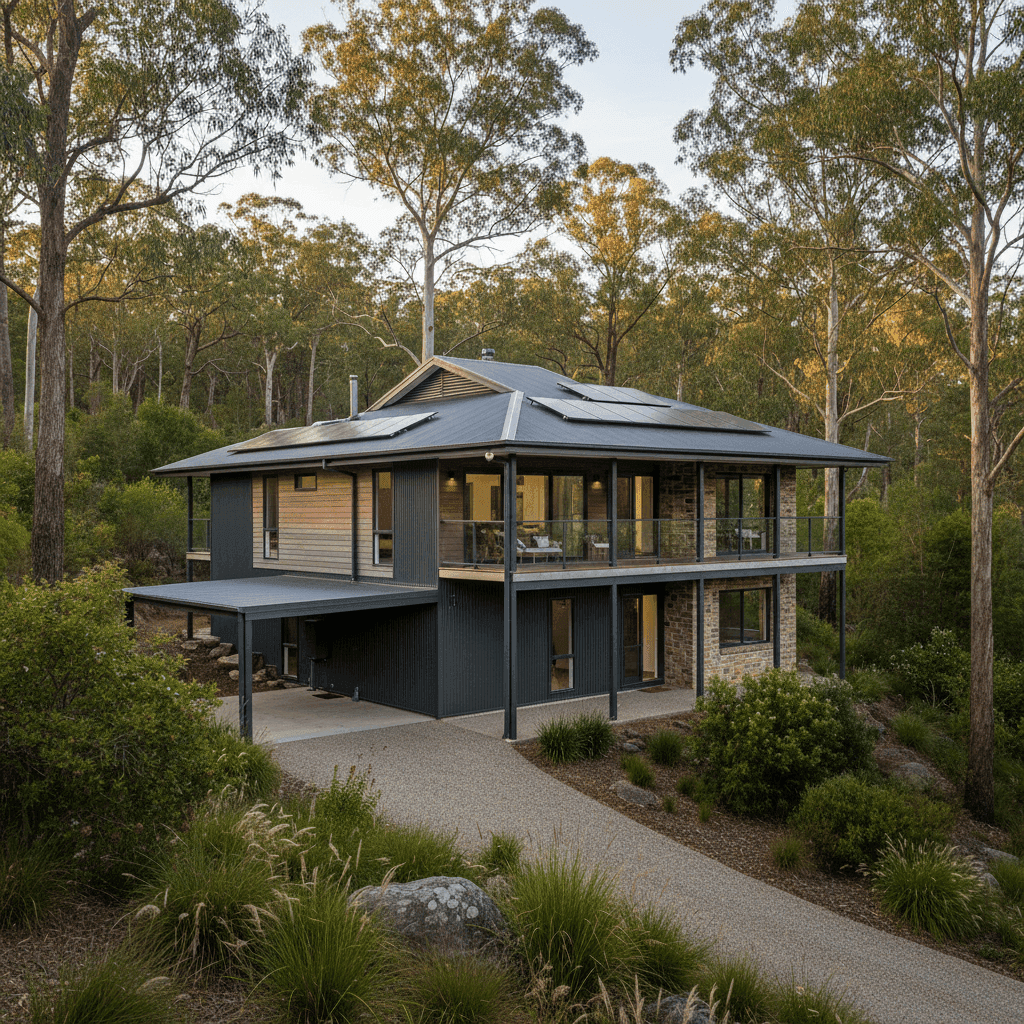
Helensburgh is a leafy, semi-rural suburb nestled in the northern Illawarra escarpment, sitting roughly halfway between Sydney and Wollongong. It's a popular choice for families who want space, bushland surroundings, and a relaxed lifestyle without straying too far from city conveniences. With that lifestyle, though, comes a set of insurance considerations that every homeowner should understand — particularly if you own a free-standing home with features that can push premiums higher than you might expect.
This article breaks down a real home and contents insurance quote for a 4-bedroom, 2-bathroom free-standing home in Helensburgh, built in 1971, with a building sum insured of $726,000 and contents cover of $103,000. The annual premium quoted was $3,699 (or $354/month). Here's what that figure actually means in context.
---
Is This Quote Fair?
The short answer: this quote sits in the "expensive" category relative to what other Helensburgh homeowners are paying.
Based on data from CoverClub's Helensburgh suburb statistics, the suburb average premium is $2,098/yr and the median sits at $2,031/yr. The quote in question — $3,699 — is nearly 76% above the suburb average and well above the 75th percentile of $2,489/yr. That means this premium is higher than at least 75% of quotes recorded for the area.
That said, "expensive" doesn't necessarily mean "wrong." A higher-than-average premium can reflect legitimate risk factors tied to the specific property — and in this case, there are several worth examining. The building sum insured of $726,000 is substantial, and the combination of an older construction (1971), stump foundations, timber flooring, and solar panels all contribute to a more complex risk profile than a newer, slab-on-ground home might present.
---
How Helensburgh Compares
To put the $3,699 figure in broader perspective, it helps to look at the bigger picture:
| Benchmark | Premium |
|---|---|
| Helensburgh suburb average | $2,098/yr |
| Helensburgh suburb median | $2,031/yr |
| Campbelltown LGA average | $1,893/yr |
| NSW state median | $3,770/yr |
| NSW state average | $9,528/yr |
| National median | $2,764/yr |
| National average | $5,347/yr |
(Based on 40 quotes recorded for the Helensburgh 2508 postcode.)
Interestingly, the NSW state average of $9,528/yr is dramatically skewed upward — likely by high-risk coastal and flood-prone areas across the state — which is why the median ($3,770/yr) is a more reliable reference point. Against the NSW median, the $3,699 quote is actually slightly below, which tells a more nuanced story.
At a national level, the quote also sits comfortably below both the national average of $5,347/yr and above the national median of $2,764/yr.
So while this premium is clearly above average for the local suburb, it's not out of step with what many NSW homeowners are paying. You can explore NSW-wide insurance benchmarks here.
---
Property Features That Affect Your Premium
Several characteristics of this property are likely contributing to a higher-than-average premium. Understanding them can help you make smarter decisions when reviewing or renegotiating cover.
Age of Construction (1971)
Homes built over 50 years ago often have older wiring, plumbing, and structural elements that are more expensive to repair or replace to current building codes. Insurers typically factor this into their pricing, particularly for buildings with a high sum insured.
Stump Foundations
Homes on stumps (also known as pier-and-beam foundations) are more susceptible to movement, moisture ingress, and pest damage than slab-on-ground homes. They can also be costlier to repair following storm or flood events. This is a meaningful risk factor for insurers.
Timber and Laminate Flooring
Timber floors are more vulnerable to water damage than tiles or concrete, and replacement costs can be significant — especially in a home of this size (214 sqm). This directly influences the contents and building replacement estimates.
Solar Panels
Solar systems are a common feature in modern Australian homes, but they add complexity to a claim. Panels can be damaged by hail, storms, or falling debris, and their replacement cost needs to be factored into the building sum insured.
Ducted Climate Control
Ducted air conditioning systems are expensive to repair or replace and represent a meaningful portion of the building's insured value. Their presence can nudge premiums upward.
Building Sum Insured ($726,000)
This is a substantial sum insured, particularly for a 214 sqm home. It's worth periodically reviewing whether your sum insured accurately reflects current rebuilding costs — both under-insuring and over-insuring carry risks.
---
Tips for Homeowners in Helensburgh
If you're looking to ensure you're getting fair value on your home insurance, here are four practical steps worth taking:
- Shop around and compare multiple quotes. The gap between the cheapest and most expensive quotes for the same property can be significant. Using a comparison platform like CoverClub lets you see a range of options side by side without having to contact each insurer individually.
- Review your sum insured annually. Building costs have risen sharply in recent years. Make sure your building sum insured reflects current construction rates in the Illawarra region — not the figure you set several years ago. An independent quantity surveyor can provide a precise replacement cost estimate.
- Consider your excess strategically. Both the building and contents excess on this policy are set at $1,000. Opting for a higher voluntary excess (say, $2,000 or $2,500) can meaningfully reduce your annual premium, provided you're comfortable covering that amount out of pocket in the event of a claim.
- Check for discounts you may be eligible for. Many insurers offer discounts for bundling home and contents (already done here), having security systems installed, being claim-free for several years, or paying annually rather than monthly. It's worth asking your insurer directly what discounts apply to your policy.
---
Compare Your Options Today
Whether you're reviewing an existing policy or shopping for cover on a new property, it pays to benchmark your premium against the market. CoverClub makes it easy to compare home and contents insurance quotes from a range of Australian insurers in minutes.