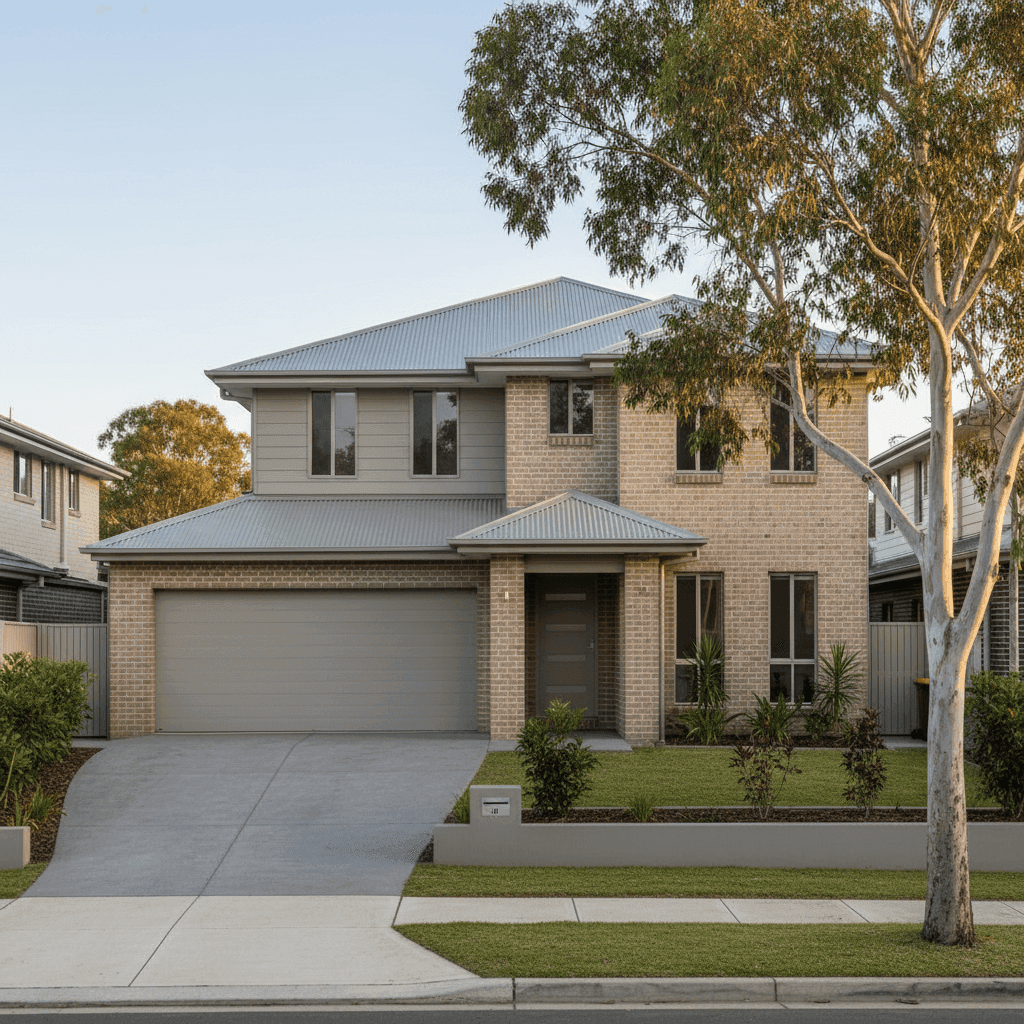
If you own a free standing home in Hendra, QLD 4011, you've probably wondered whether your home insurance premium is fair — or whether you're quietly overpaying year after year. This article breaks down a real building insurance quote for a four-bedroom, two-bathroom brick veneer home in Hendra, comparing it against suburb, state, and national benchmarks so you can make a genuinely informed decision.
---
Is This Quote Fair?
The quote in question comes in at $2,391 per year (or $234 per month) for building-only cover on a home insured for $550,000, with a building excess of $3,000.
Our price rating for this quote? Cheap — below average. That's a strong result.
To put it in perspective: the suburb average premium in Hendra sits at $6,137 per year, and the suburb median is $4,103 per year. This quote lands well below even the 25th percentile for the area — meaning it's cheaper than at least 75% of quotes we've seen for comparable properties in this postcode. That's a meaningful saving of over $1,700 compared to the cheapest quarter of the market, and more than $3,700 below the local median.
In short: if this were your quote, you'd be in a genuinely enviable position.
---
How Hendra Compares
Hendra is an established inner-northern Brisbane suburb, and its insurance pricing reflects the complexities of the broader Queensland market. Here's how the numbers stack up across different benchmarks:
| Benchmark | Annual Premium |
|---|---|
| This Quote | $2,391 |
| Hendra 25th Percentile | $2,645 |
| Hendra Median | $4,103 |
| Hendra Average | $6,137 |
| Hendra 75th Percentile | $7,741 |
| Brisbane LGA Average | $4,485 |
| QLD State Average | $4,547 |
| QLD State Median | $3,931 |
| National Average | $2,965 |
| National Median | $2,716 |
A few things stand out here. First, the Hendra suburb average ($6,137) is dramatically higher than both the Queensland state average ($4,547) and the national average ($2,965). This wide spread — with a 75th percentile of $7,741 — tells us that premiums in this postcode vary enormously depending on the insurer and the specific property characteristics assessed.
The gap between the suburb average and median ($6,137 vs $4,103) also suggests that a handful of very high quotes are pulling the average up. That's a classic signal that some homeowners in Hendra are significantly overpaying — and that shopping around can make a real difference.
Interestingly, this quote actually sits below the national average, which is unusual for a Queensland property given the state's elevated risk profile driven by extreme weather events, storm damage, and flooding in many areas.
---
Property Features That Affect Your Premium
Several characteristics of this particular property work in its favour from an insurance pricing perspective.
Brick veneer construction is generally viewed favourably by insurers. It offers solid structural integrity and reasonable fire resistance compared to timber-framed or clad alternatives, which can translate into lower premiums.
A steel/Colorbond roof is another positive. Colorbond is durable, lightweight, and performs well in high-wind and storm conditions — a relevant consideration anywhere in South East Queensland. It's also resistant to corrosion, which matters in coastal-adjacent suburbs like Hendra.
Slab foundation removes the risk factors associated with suspended timber floors, such as subfloor moisture damage or pest-related structural issues, both of which can complicate claims and elevate premiums.
Tile flooring is similarly low-maintenance from an insurer's perspective — it's durable, non-combustible, and not susceptible to water damage in the way carpet or timber flooring can be.
The 2005 construction year means the home was built under modern building codes that include improved cyclone and storm-resistance requirements. While Hendra is not classified as a cyclone risk area, newer builds generally attract more competitive premiums than older homes that may have outdated wiring, plumbing, or structural elements.
The absence of a pool, solar panels, and ducted climate control also keeps the risk profile simple — fewer systems means fewer potential claims.
---
Tips for Homeowners in Hendra
Whether you're reviewing an existing policy or shopping for a new one, here are four practical steps worth taking:
- Compare quotes annually. The wide spread in Hendra premiums — from under $2,645 to over $7,741 — shows that loyalty doesn't pay in home insurance. Insurers reprice regularly, and a policy that was competitive last year may not be this year. Set a calendar reminder to compare before your renewal date.
- Review your sum insured carefully. A $550,000 building sum insured is a significant figure. Make sure it reflects the actual cost to rebuild your home (not its market value), including demolition, debris removal, and current construction costs. Underinsurance is one of the most common — and costly — mistakes homeowners make.
- Consider your excess strategically. This quote carries a $3,000 building excess. A higher excess typically reduces your premium, but make sure you can comfortably cover that amount out of pocket if you need to make a claim. If cash flow is a concern, it may be worth modelling a lower excess option.
- Document your property thoroughly. Even with building-only cover, keeping an up-to-date photographic record of your home's condition, fixtures, and any improvements can make the claims process significantly smoother. Store copies securely off-site or in cloud storage.
---
Compare Your Own Quote
Wondering how your own Hendra home insurance stacks up? CoverClub makes it easy to benchmark your premium against real data from your suburb and across Queensland. Whether you're a first-time buyer or a long-term homeowner, comparing quotes takes minutes and could save you thousands.
Get a home insurance quote and compare today →
You can also explore detailed premium data for your area on the Hendra suburb stats page, or browse Queensland-wide insurance trends to see how your suburb fits into the bigger picture.