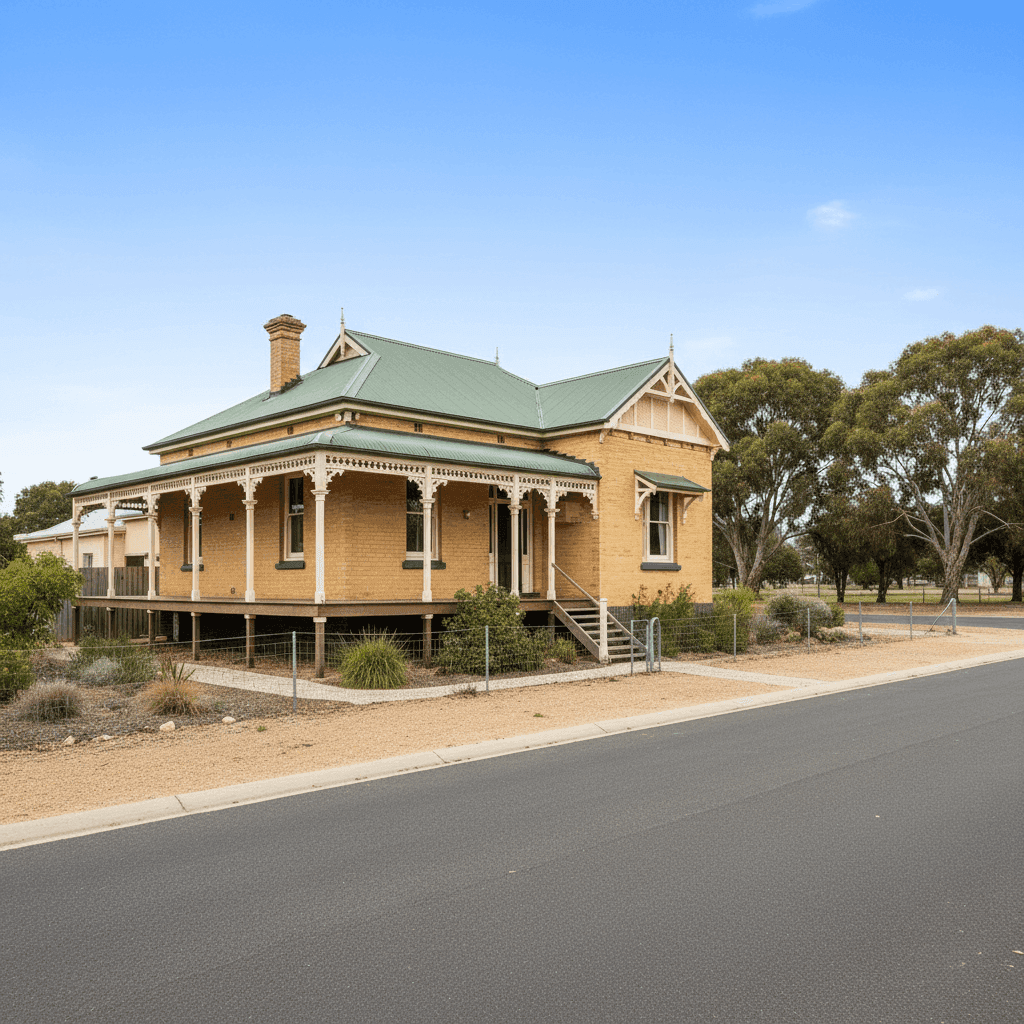
If you own a free standing home in Henty, VIC 3312, you may be wondering whether your home insurance premium is reasonable — or whether you're paying too much (or too little). This article breaks down a real home and contents insurance quote for a heritage-listed, double brick property in Henty, and puts the numbers into context against local, state, and national benchmarks.
---
Is This Quote Fair?
The annual premium for this quote comes in at $1,223 per year (or $120/month), covering a building sum insured of $410,000 and contents valued at $50,000. Our price rating for this quote is CHEAP — below the suburb average — which is genuinely good news for the homeowner.
To put that in perspective: the suburb average for Henty (VIC 3312) sits at $2,017 per year, with a median of $1,985. That means this quote is roughly 39% below the local average — a significant saving. Even compared to the suburb's 25th percentile (the cheapest quarter of quotes), which sits at $1,700/yr, this premium still undercuts the market considerably.
So yes — by almost any local measure, this is a competitive quote worth taking seriously.
---
How Henty Compares to the Rest of Victoria and Australia
Henty is a relatively affordable area when it comes to home insurance, and this quote reflects that. Here's how the numbers stack up across different geographic benchmarks:
| Benchmark | Average Premium |
|---|---|
| This Quote | $1,223/yr |
| Henty (suburb average) | $2,017/yr |
| Henty (suburb median) | $1,985/yr |
| Southern Grampians LGA average | $3,537/yr |
| Victoria state average | $3,000/yr |
| Victoria state median | $2,718/yr |
| National average | $5,347/yr |
| National median | $2,764/yr |
A few things stand out here. First, Henty's suburb average ($2,017) is meaningfully lower than both the Victorian state average ($3,000) and the national average ($5,347) — suggesting the area carries relatively modest insurance risk overall. Second, the Southern Grampians LGA average of $3,537 is notably higher than the suburb average, which may reflect more expensive or higher-risk properties elsewhere in the local government area pulling the figure up.
For context, the suburb sample size used here is 9 quotes — a small but useful dataset for a regional area like Henty. As more data becomes available, these figures will sharpen. You can explore the latest local data on the Henty suburb stats page.
---
Property Features That Affect Your Premium
Several characteristics of this particular property are worth discussing, as they each play a role in how insurers calculate risk and price premiums.
Heritage Listing
This property carries a heritage listing, which is one of the more significant factors for insurers to consider. Heritage-listed homes often require specialised tradespeople and materials for repairs, meaning rebuild costs can be substantially higher than for a standard modern home. Insurers typically factor this in when assessing risk, so it's worth ensuring your sum insured genuinely reflects the cost of restoring the property to its heritage specifications — not just a standard rebuild.
Double Brick Construction
Double brick external walls are generally viewed favourably by insurers. This construction type is durable, fire-resistant, and less susceptible to wind damage compared to timber-framed or clad alternatives. It's one of the reasons older homes like this one — built in 1936 — can still attract competitive premiums despite their age.
Steel/Colorbond Roof
A Colorbond steel roof is a modern, low-maintenance roofing material that insurers tend to view positively. It's resistant to fire, rot, and pests, and typically has a long serviceable life. This is a meaningful upgrade from older terracotta or asbestos-cement roofing that might be found on homes of a similar era.
Stumps Foundation & Timber/Laminate Flooring
The property sits on stumps and is elevated by less than 1 metre. Stump foundations are common in older Victorian homes and can be a point of attention for insurers — particularly around subsidence, pest damage (especially white ants), and the cost of re-stumping. The timber and laminate flooring is consistent with this era of construction and is something to monitor for moisture damage, particularly given the elevated foundation.
Age and Size
At 77 sqm and built in 1936, this is a compact, character-filled home. Older homes can attract higher premiums due to the cost of like-for-like restoration, but the quality double brick construction and updated Colorbond roof help offset some of that risk in the eyes of insurers.
---
Tips for Homeowners in Henty
Whether you're reviewing your existing policy or shopping for a new one, here are four practical tips tailored to property owners in this area.
- Review your sum insured carefully — especially given the heritage listing. A heritage-listed property can cost significantly more to rebuild than a standard home of the same size. Make sure your $410,000 building sum insured reflects the true cost of restoration using period-appropriate materials and qualified tradespeople. Underinsurance is a real risk for heritage properties.
- Get your stumps inspected regularly. Stump foundations are vulnerable to timber decay and termite activity over time. An annual inspection by a licensed pest controller or builder can catch problems early — and may also demonstrate to your insurer that the property is well-maintained, which can support your claim if something goes wrong.
- Compare quotes before renewal. This quote is already priced well below the suburb average, but insurance markets shift regularly. Running a fresh comparison at CoverClub each year takes only a few minutes and ensures you're not paying more than you need to as your circumstances or the market changes.
- Understand your excess structure. This policy carries a $3,000 building excess and a $1,000 contents excess. A higher excess is one way to reduce your premium, but make sure you're comfortable meeting those costs out of pocket in the event of a claim. If the building excess feels high relative to your savings buffer, it may be worth exploring policies with a lower excess — even if the annual premium is slightly higher.
---
Ready to Compare Home Insurance in Henty?
Whether this quote is your current policy or one you're considering, it's always worth seeing what else is on the market. CoverClub makes it easy to compare home and contents insurance quotes for properties across Victoria and Australia. Get a quote today and see how your premium stacks up against the latest data for Henty and beyond.