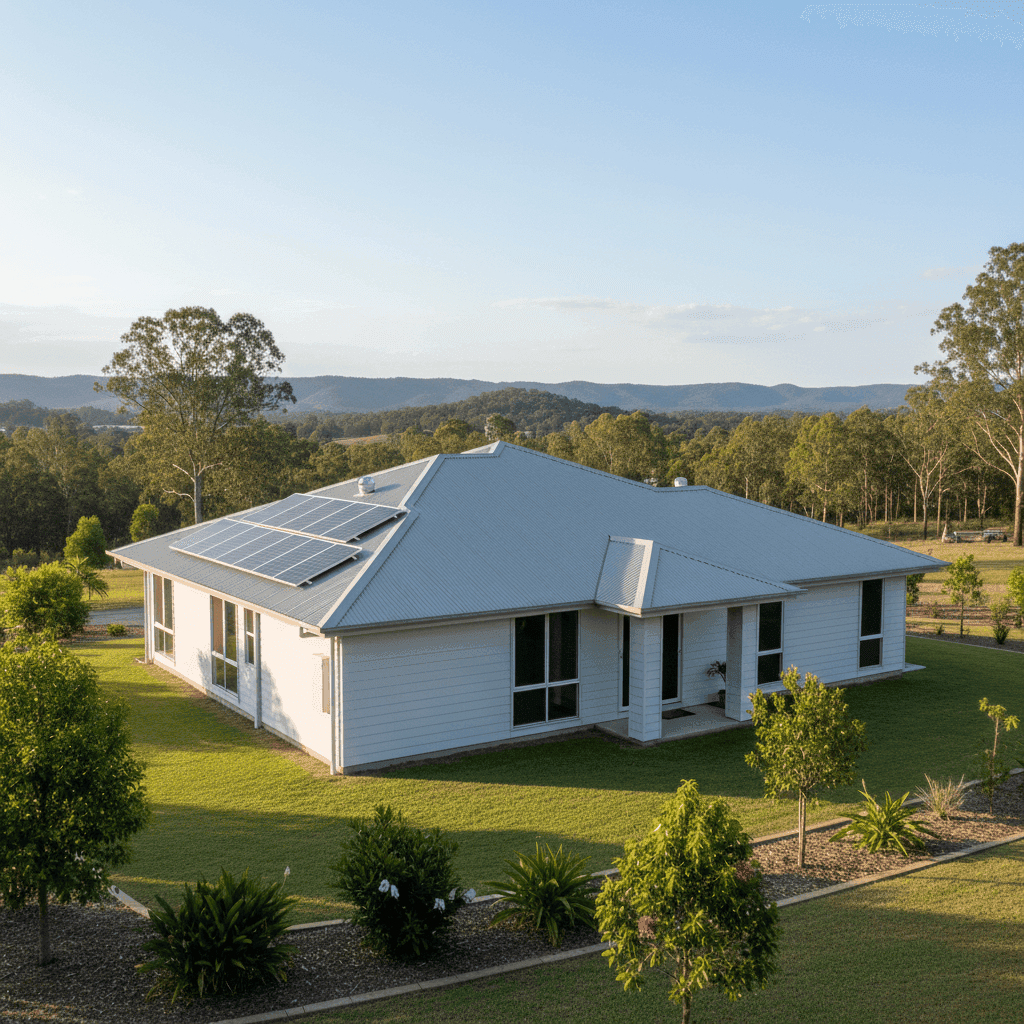
If you own a free standing home in Hervey Range, QLD 4817, you already know this part of Queensland comes with its own unique set of risks and rewards. Nestled in the hinterland west of Townsville, Hervey Range sits in a cyclone-designated risk zone — a factor that weighs heavily on home insurance premiums across the region. This article breaks down a recent home and contents insurance quote for a 3-bedroom, 1-bathroom property in the area, compares it against local, state and national benchmarks, and offers practical tips to help you get the best value on your cover.
---
Is This Quote Fair?
The quote in question comes in at $3,808 per year (or $365/month) for combined home and contents insurance, covering a building sum insured of $710,000 and contents valued at $50,000. The building excess is set at $2,000, with a $1,000 excess on contents.
Our price rating for this quote is FAIR — Around Average, and the data backs that up. Within the Hervey Range suburb (postcode 4817), the average premium sits at $3,757/yr and the median at $3,876/yr. This quote lands almost exactly in the middle of that range — slightly above the local average but comfortably below the local median. It also falls within the interquartile range of $3,441 to $3,946, meaning it's well within what most homeowners in the area are paying.
In short: you're not getting a bargain, but you're not being overcharged either. For a property in a cyclone risk zone with solar panels and a $710,000 building sum insured, this is a reasonable market rate.
---
How Hervey Range Compares
Understanding where your premium sits relative to broader benchmarks helps put things in perspective. Here's how the numbers stack up:
| Benchmark | Premium |
|---|---|
| This Quote | $3,808/yr |
| Hervey Range Suburb Average | $3,757/yr |
| Hervey Range Suburb Median | $3,876/yr |
| Charters Towers LGA Average | $4,457/yr |
| QLD State Median | $3,903/yr |
| QLD State Average | $9,129/yr |
| National Average | $5,347/yr |
| National Median | $2,764/yr |
A few things stand out here. The QLD state average of $9,129/yr is extraordinarily high — this is heavily skewed by extremely expensive premiums in high-risk coastal and far-north Queensland postcodes. The state median of $3,903/yr is a far more representative figure, and this quote sits just below that.
Compared to the national average of $5,347/yr, this quote looks quite reasonable. However, it's worth noting that the national median of $2,764/yr is significantly lower — reflecting the fact that many Australian homeowners in lower-risk areas (think suburban Melbourne or Adelaide) pay far less. Hervey Range's cyclone exposure is the primary driver pushing premiums above the national median.
The Charters Towers LGA average of $4,457/yr is notably higher than this quote, suggesting the property may be benefiting from more favourable individual risk factors compared to others in the broader local government area.
Explore more data on the Hervey Range suburb insurance stats page, the Queensland state overview, or the national home insurance benchmarks.
---
Property Features That Affect Your Premium
Several characteristics of this property directly influence what insurers charge. Understanding these can help you anticipate how your premium is calculated.
Cyclone Risk Zone
This is the single biggest factor. Hervey Range falls within a designated cyclone risk area, which means insurers apply higher base rates to account for the potential cost of storm and wind damage. Cyclone-related claims can be catastrophic in scope, and this risk is priced accordingly across all of North Queensland.
Hardiplank / Hardiflex External Walls
Fibre cement cladding such as Hardiplank and Hardiflex is generally viewed favourably by insurers. It's non-combustible, resistant to rot and termites, and holds up reasonably well in high-wind conditions — all positives when it comes to risk assessment.
Steel / Colorbond Roof
A Colorbond steel roof is one of the better roofing choices for cyclone-prone regions. It's durable, lightweight, and when properly installed to cyclone standards, performs well under significant wind loads. Insurers typically rate this more favourably than older roofing materials like tiles or corrugated iron in poor condition.
Concrete Slab Foundation
A slab foundation offers solid structural stability and is a standard, well-understood construction type for insurers. It doesn't carry the additional risk concerns associated with high-set or timber-stumped foundations.
Solar Panels
The presence of solar panels adds a modest amount to the insured value of the property and can slightly increase premiums. Panels need to be covered for storm damage, hail, and potential electrical faults. Ensuring your building sum insured accounts for the replacement cost of your solar system is important.
Construction Year (1998) and Size (160 sqm)
A home built in 1998 is mature but not aged — it likely meets reasonable building codes without the complications of very old construction. At 160 sqm, it's a modest, manageable size, which keeps the replacement cost and therefore the premium more contained.
---
Tips for Homeowners in Hervey Range
1. Review Your Building Sum Insured Annually
With a sum insured of $710,000 on a 160 sqm home, it's worth verifying this figure reflects current construction costs. Building costs in Queensland have risen sharply in recent years. Underinsurance is a real risk — if your home is destroyed and the sum insured doesn't cover full rebuilding costs, you'll be out of pocket for the difference.
2. Harden Your Home Against Cyclone Damage
Many insurers offer discounts or more competitive rates for homes that have been cyclone-hardened. This can include upgrading roof tie-downs, installing cyclone-rated shutters or screens, and ensuring garage doors meet cyclone standards. Even if a discount isn't offered upfront, these improvements reduce your risk of a claim — and future premium increases.
3. Compare Quotes Before Renewal
This quote is rated as fair, but that doesn't mean it's the best available. The local sample size of just 5 quotes suggests limited data, and the market can vary significantly between insurers. Use CoverClub's quote comparison tool to see what other providers are offering for your property before your renewal date.
4. Consider Your Excess Levels Carefully
This policy carries a $2,000 building excess and $1,000 contents excess. Opting for a higher excess can reduce your annual premium, but make sure you can comfortably cover that amount out of pocket in the event of a claim. For cyclone-prone areas, some policies also include a separate, higher cyclone excess — always check the Product Disclosure Statement (PDS) for details.
---
Ready to Compare?
Whether you're renewing your existing policy or shopping for the first time, comparing quotes is the smartest move you can make. Premiums for the same property can vary by hundreds — sometimes thousands — of dollars between insurers. Head to CoverClub to enter your property details and see how your current quote stacks up against the broader market. It takes just a few minutes and could save you a significant amount at renewal time.