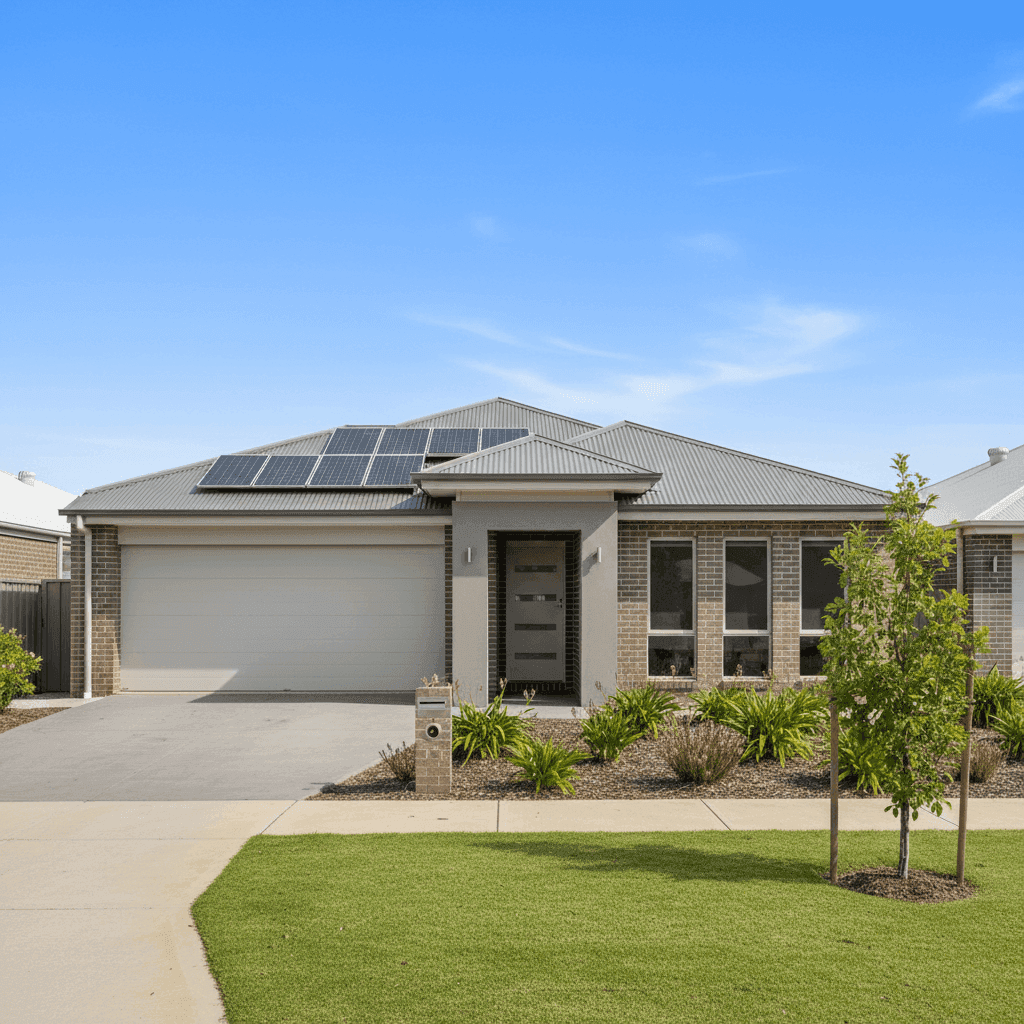
Highfields is one of the Darling Downs' fastest-growing residential communities, sitting just north of Toowoomba in Queensland's southeast. With its mix of newer estates, family homes, and a relatively low natural hazard profile compared to coastal Queensland, it's an increasingly popular place to put down roots. If you own a free standing home here, understanding what you should be paying for home and contents insurance — and why — can save you hundreds of dollars every year.
This article breaks down a real home insurance quote for a four-bedroom, two-bathroom free standing home in Highfields (postcode 4352), comparing it against local, state, and national benchmarks to help you make a more informed decision.
---
Is This Quote Fair?
The quote in question comes in at $1,231 per year (or $120/month) for combined home and contents cover, with a building sum insured of $560,000 and contents valued at $30,000. The building excess is $3,000 and the contents excess is $1,000.
Our price rating for this quote is CHEAP — Below Average, and the data backs that up convincingly.
The suburb average premium in Highfields sits at $2,660 per year, meaning this quote is roughly 54% below what most local homeowners are paying. Even the 25th percentile — the cheapest quarter of quotes in the area — comes in at $1,459/yr, which is still higher than this result. In short, this is an exceptionally competitive premium for the area.
From a broader perspective, the Queensland state average is a steep $4,547/yr, driven largely by the high-risk coastal and cyclone-prone regions of north Queensland. Nationally, the average sits at $2,965/yr. Against either benchmark, $1,231/yr represents outstanding value.
---
How Highfields Compares
To put this quote in proper context, here's how Highfields stacks up against wider insurance markets:
| Benchmark | Annual Premium |
|---|---|
| This Quote | $1,231 |
| Highfields Suburb Average | $2,660 |
| Highfields Suburb Median | $2,954 |
| Highfields 25th Percentile | $1,459 |
| Highfields 75th Percentile | $3,618 |
| QLD State Average | $4,547 |
| QLD State Median | $3,931 |
| National Average | $2,965 |
| National Median | $2,716 |
| Goondiwindi LGA Average | $3,954 |
(Based on a sample of 64 quotes in the Highfields area.)
Highfields itself is notably more affordable to insure than the Queensland state average — a reflection of its inland location, newer housing stock, and lower exposure to cyclones and coastal flooding. You can explore the full data for the suburb at our Highfields insurance stats page, compare it against Queensland-wide figures, or see how it measures up on the national insurance stats page.
---
Property Features That Affect Your Premium
Insurance pricing isn't arbitrary — it's driven by the specific characteristics of your home. Here's how the features of this particular property influence the premium:
Brick Veneer Walls
Brick veneer is a popular and well-regarded construction material in Australian suburbia. It offers solid fire resistance and structural durability, which insurers generally view favourably. Compared to weatherboard or fibre cement homes, brick veneer properties often attract lower premiums due to their resilience against fire spread and storm damage.
Steel / Colorbond Roof
Colorbond steel is a staple of modern Australian construction, and for good reason. It's lightweight, corrosion-resistant, and performs well in hail events — a real consideration on the Darling Downs, where severe thunderstorms can roll through during summer months. Insurers tend to rate Colorbond roofs positively, particularly on homes built after 2000.
Slab Foundation
A concrete slab foundation is considered one of the more stable and low-risk foundation types. Unlike older homes on stumps or piers, slab homes have fewer vulnerabilities to subsidence or pest-related structural issues, which can work in your favour at claims time.
Built in 2008
The 2008 construction date means this home was built to relatively modern building codes, including updated standards for wind resistance and structural integrity. Newer homes typically attract more competitive premiums than older properties that may have outdated wiring, plumbing, or roofing.
Solar Panels
The presence of solar panels adds some replacement cost to the building sum insured, but it's worth confirming with your insurer that the panels are explicitly covered under your policy — not all standard policies include them automatically. Given the investment involved, this is a detail worth double-checking.
Timber / Laminate Flooring
Timber and laminate floors are a common feature in modern Queensland homes. While they add to the aesthetic appeal and value of a property, they can be more susceptible to water damage than tiles. This is worth keeping in mind if you're in an area prone to heavy rainfall or internal plumbing events.
No Pool, No Ducted Climate Control, Not in a Cyclone Zone
The absence of a pool removes a common liability exposure. Not being in a designated cyclone risk area is a significant factor — cyclone-rated premiums in north Queensland can be dramatically higher. The lack of ducted climate control also simplifies the mechanical systems insurers need to consider.
---
Tips for Homeowners in Highfields
1. Don't Set and Forget Your Sum Insured
Building costs have risen significantly across Queensland in recent years. If your home was last valued several years ago, there's a real risk of being underinsured. Use a building cost calculator or speak to a local quantity surveyor to ensure your $560,000 sum insured still reflects what it would actually cost to rebuild your home today.
2. Confirm Solar Panel Coverage
As mentioned above, solar panels are a meaningful asset. Before renewing your policy, ask your insurer directly whether your panels are covered for storm damage, hail, and electrical faults — and whether the cover extends to the inverter and mounting hardware.
3. Review Your Contents Value Annually
$30,000 in contents cover is on the lower end for a four-bedroom home. Take stock of your furniture, appliances, electronics, clothing, and any valuables. It's easy to underestimate — especially if you've made purchases throughout the year. A shortfall at claims time can be a costly surprise.
4. Compare Quotes at Renewal
Even if you're happy with your current insurer, it pays to compare. The insurance market shifts regularly, and loyalty doesn't always translate to the best price. Use a comparison tool like CoverClub to benchmark your renewal quote before you commit.
---
Get a Quote for Your Highfields Home
Whether you're a first-time buyer or a long-term homeowner looking to make sure you're not overpaying, comparing home insurance quotes is one of the smartest financial moves you can make. CoverClub makes it easy to see what multiple insurers would charge for your specific property — in minutes, not hours.
Compare home insurance quotes for your Highfields property today →