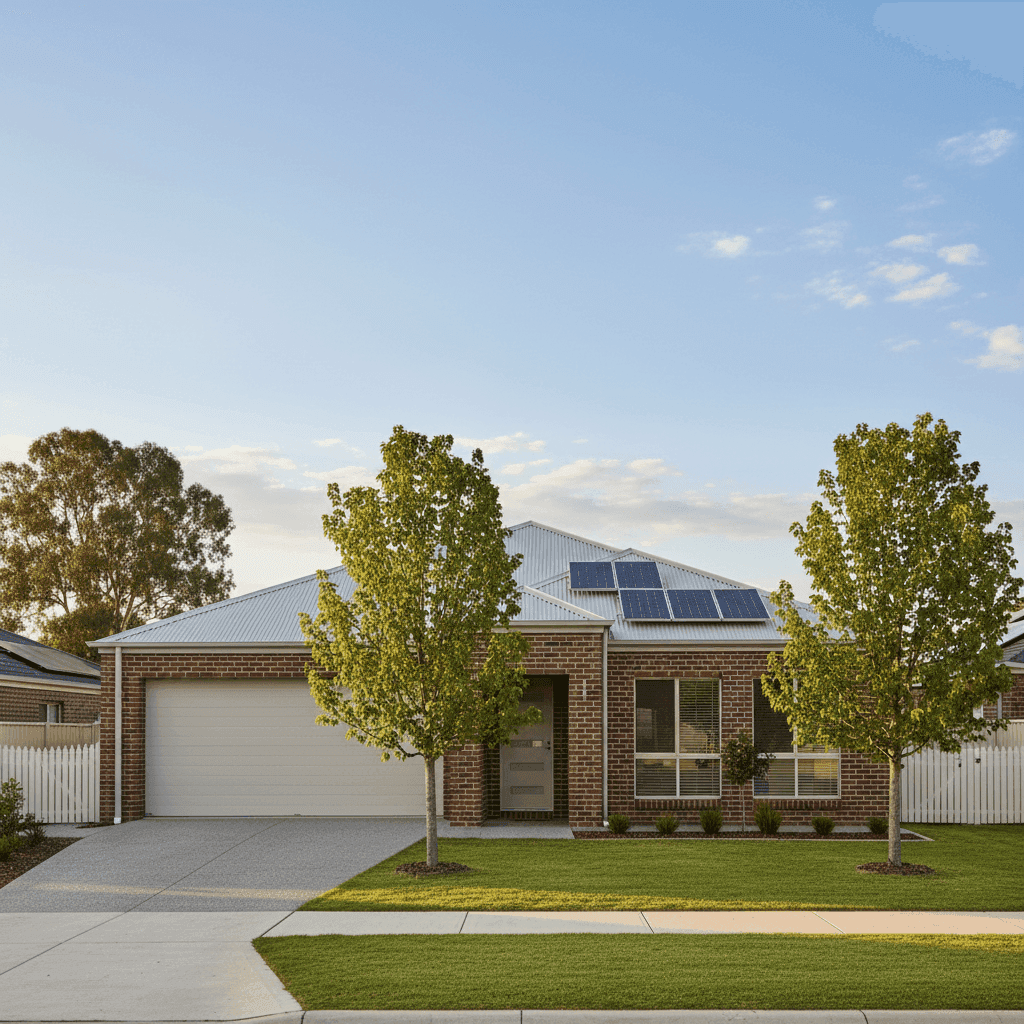
If you own a free standing home in Highfields, QLD 4352, you've probably wondered whether you're paying a fair price for building insurance — or whether you could be doing better. This article breaks down a real building-only insurance quote for a four-bedroom, two-bathroom brick veneer home in Highfields, and puts it in context against suburb, state, and national benchmarks. Whether you're renewing your policy or shopping around for the first time, the numbers here might surprise you.
---
Is This Quote Fair?
The quote in question comes in at $1,278 per year (or roughly $118 per month) for building-only cover on a 214 sqm free standing home with a sum insured of $730,000. The building excess sits at $3,000.
Our price rating for this quote? Cheap — below average. That's a strong result for the homeowner.
To put that in perspective, the suburb average premium across 64 quotes collected for Highfields (4352) sits at $2,660 per year, with a median of $2,954. This quote lands well below even the 25th percentile for the suburb, which is $1,459/yr — meaning it's cheaper than at least 75% of comparable quotes in the area. That's a genuinely competitive result, not just a marginal saving.
For a homeowner in Highfields, securing cover at this price point represents a potential annual saving of over $1,300 compared to the suburb average — real money that could go toward home maintenance, an emergency fund, or simply back into your pocket.
---
How Highfields Compares
Understanding your premium means looking beyond your own postcode. Here's how Highfields stacks up against broader benchmarks:
| Benchmark | Average Premium | Median Premium |
|---|---|---|
| Highfields (4352) | $2,660/yr | $2,954/yr |
| Queensland | $4,547/yr | $3,931/yr |
| National | $2,965/yr | $2,716/yr |
| Goondiwindi LGA | $6,634/yr | — |
A few things stand out here. First, Highfields homeowners are actually paying less than the Queensland state average — significantly so. The QLD average of $4,547/yr reflects the outsized influence of cyclone-prone coastal and far-north Queensland regions, where premiums can be eye-watering. Highfields, located in the Toowoomba region on the Darling Downs, benefits from being inland and outside designated cyclone risk zones, which keeps premiums more manageable.
Second, the Goondiwindi LGA average of $6,634/yr is a stark reminder of how dramatically location risk can affect pricing within Queensland alone. Highfields homeowners are in a comparatively favourable position.
Compared to the national average of $2,965/yr, Highfields sits slightly below — another indicator that this is a relatively affordable area to insure. The quote analysed here, at $1,278/yr, sits at less than half the national average.
---
Property Features That Affect Your Premium
Several characteristics of this particular home work in the owner's favour from an insurance pricing perspective:
Brick Veneer Walls Brick veneer is generally viewed favourably by insurers. It offers solid fire resistance and durability compared to lightweight cladding or weatherboard, which can translate into lower premiums. It's one of the more common wall types in Australian suburban homes and is well-understood by underwriters.
Steel / Colorbond Roof Colorbond steel roofing is another tick in the right column. It's lightweight, resistant to fire and pests, and holds up well in hail and wind events. Compared to older tile roofs — which can crack, leak, or become dislodged — Colorbond is considered a lower-risk roofing material by most insurers.
Stump Foundation The home sits on stumps, which is common for older Queensland-style builds. While stumped homes can be more exposed to subfloor moisture and pest issues, they also allow for easier access and inspection. Insurers generally price stumped homes similarly to slab foundations, though it's worth ensuring your policy covers the stumps themselves under the building definition.
Construction Year: 1997 At just under 30 years old, this home is relatively modern by Queensland standards. Homes built in the mid-to-late 1990s typically comply with improved building codes compared to pre-1980s construction, which can positively influence premiums.
Solar Panels The presence of solar panels adds a modest layer of complexity to the sum insured calculation. Panels are generally covered under building insurance as a fixed fixture, but it's important to confirm this with your insurer. Damage from storms, hail, or electrical faults should be covered, but coverage can vary between policies.
No Pool, No Ducted Climate Control The absence of a swimming pool removes a common source of liability and accidental damage claims. Similarly, no ducted climate control system means fewer mechanical components that could fail or cause water damage — both factors that can keep premiums lower.
Standard Fittings With standard-quality fittings throughout, the rebuild cost estimate of $730,000 for a 214 sqm home is reasonable for the Highfields area. Homes with high-end or custom fittings often require a higher sum insured, which pushes premiums up accordingly.
---
Tips for Homeowners in Highfields
1. Review Your Sum Insured Annually Building costs in regional Queensland have risen significantly in recent years due to labour shortages and material price increases. A sum insured of $730,000 for a 214 sqm home may be appropriate today, but it's worth reassessing each year at renewal. Underinsurance is one of the most common — and costly — mistakes homeowners make.
2. Confirm Solar Panel Coverage If you have solar panels (as this property does), check your policy wording carefully. Some insurers cover panels automatically as part of the building; others require them to be specifically listed or may apply separate limits. A quick call to your insurer at renewal can save a nasty surprise at claim time.
3. Shop Around at Every Renewal This quote is already well below the suburb average, but that doesn't mean the same insurer will remain the most competitive next year. Premiums shift based on claims history, underwriting appetite, and reinsurance costs. Make it a habit to compare at least two or three quotes at each renewal cycle.
4. Understand Your Excess Structure This policy carries a $3,000 building excess. A higher excess typically means a lower premium, but you need to be comfortable covering that amount out of pocket in the event of a claim. If $3,000 feels like a stretch, it may be worth paying a slightly higher premium to bring the excess down — particularly for a home with timber and laminate flooring, which can be costly to replace after a water damage event.
---
Compare Your Own Quote
Curious how your own Highfields home insurance premium stacks up? CoverClub makes it easy to benchmark your current policy against real market data from across Queensland and Australia. Get a quote today at CoverClub and see whether you're paying a fair price — or whether there's a better deal waiting for you.