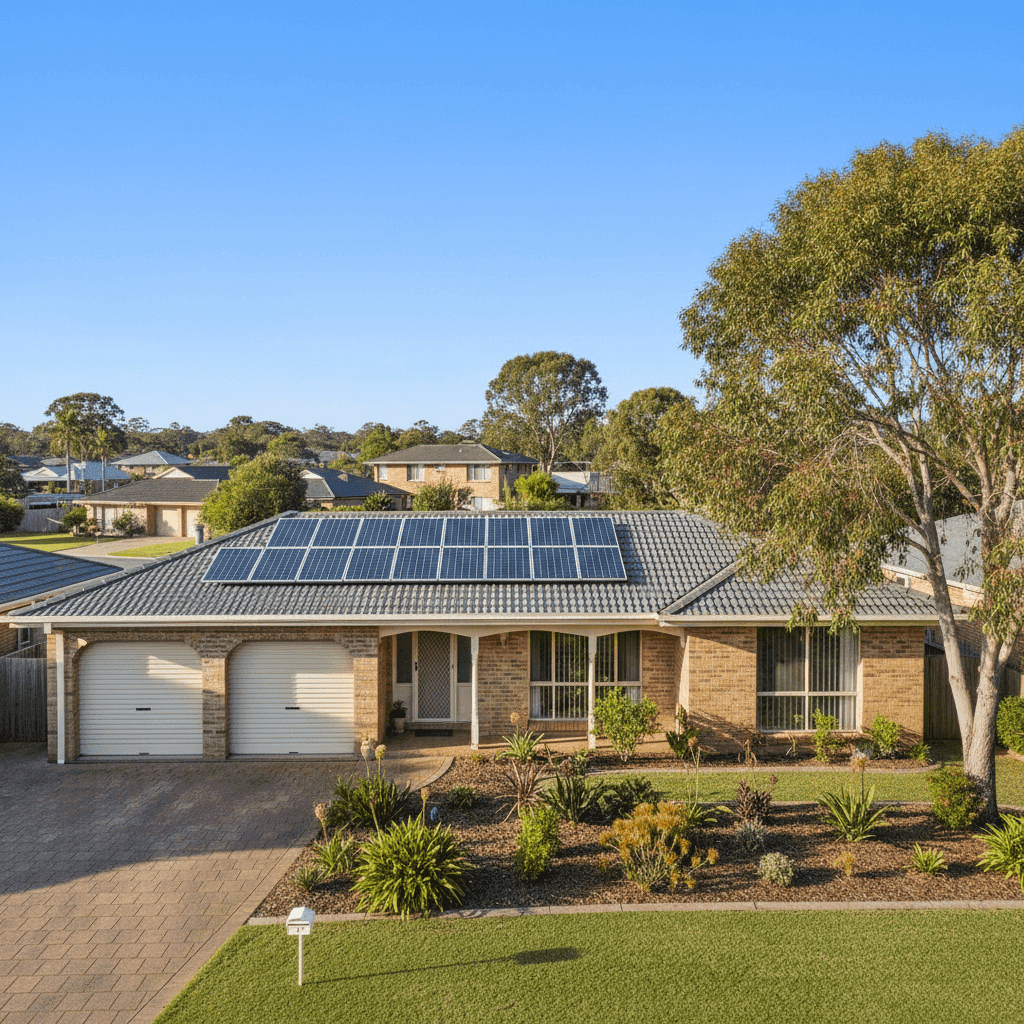
Highland Park, nestled in the Gold Coast hinterland of Queensland, is a popular suburb for families seeking a quieter lifestyle without straying too far from urban conveniences. For owners of free standing homes in this area, understanding what you should be paying for home and contents insurance is just as important as finding the right policy. This article breaks down a recent quote for a four-bedroom, two-bathroom brick veneer home in Highland Park (postcode 4211) — and puts the numbers into context so you can make a genuinely informed decision.
---
Is This Quote Fair?
The annual premium for this property came in at $3,956 per year (or $379/month), covering both building (sum insured: $985,000) and contents ($105,000), each with a $500 excess.
Our price rating for this quote is FAIR — Around Average, and the data backs that up. The suburb average premium for Highland Park sits at $3,537/yr, with a median of $3,420/yr. At $3,956, this quote lands above both of those figures but comfortably within the middle of the market — the 75th percentile for the suburb is $4,809/yr, meaning roughly a quarter of comparable properties are paying even more.
In other words, this isn't a bargain, but it's not an outlier either. For a well-appointed home of this size and construction, the premium reflects a reasonable market rate. That said, "around average" doesn't mean you can't do better — and we'll touch on that in the tips section below.
---
How Highland Park Compares
To really appreciate what this quote means, it helps to zoom out and look at the broader pricing landscape. Here's how Highland Park stacks up against Queensland and national benchmarks:
| Benchmark | Average Premium | Median Premium |
|---|---|---|
| Highland Park (4211) | $3,537/yr | $3,420/yr |
| Queensland (State) | $9,129/yr | $3,903/yr |
| National | $5,347/yr | $2,764/yr |
| Scenic Rim LGA | $8,744/yr | — |
A few things stand out here. The Queensland state average of $9,129/yr is dramatically higher than the Highland Park average — but this is largely driven by high-risk postcodes in cyclone-prone regions of Far North Queensland, which pull the mean upward significantly. The state median of $3,903/yr is a far more representative figure, and this quote sits just below that mark.
Similarly, the national average of $5,347/yr is skewed by extreme-risk areas, while the national median of $2,764/yr reflects that many Australian homeowners in lower-risk areas pay considerably less. Highland Park's median sits above the national median, which is consistent with Southeast Queensland's elevated weather and storm risk profile.
The Scenic Rim LGA average of $8,744/yr is notably high, again reflecting the mix of rural and semi-rural properties in the broader local government area that carry greater exposure to flood, bushfire, and storm events. Highland Park itself, being a more established suburban pocket, tends to attract more moderate premiums within that LGA.
---
Property Features That Affect Your Premium
Several characteristics of this particular property have a meaningful influence on what insurers charge. Here's what's at play:
Brick Veneer Construction & Concrete Roof Brick veneer walls paired with a concrete tile roof is generally viewed favourably by insurers. These materials are durable, fire-resistant, and less susceptible to storm damage than timber-framed or sheet-metal alternatives. This combination typically helps keep premiums at a more competitive level.
Slab Foundation A concrete slab foundation is standard for homes of this era and is considered low-risk by most insurers. It reduces exposure to subsidence and pest-related structural issues compared to raised or timber sub-floor foundations.
Built in 1993 At around 30 years old, this home sits in a moderately mature bracket. Properties from the early 1990s generally have sound structural integrity but may have ageing plumbing or electrical systems that insurers factor into their risk assessments. It's worth ensuring your sum insured accounts for the cost of rebuilding to current standards, including any upgrades required by modern building codes.
Above Average Fittings The above-average fittings quality noted for this property — think quality kitchen cabinetry, stone benchtops, premium tapware, and the like — directly influences the building sum insured. Higher-spec finishes cost more to replace, which is reflected in the $985,000 building cover figure and, in turn, the premium.
Solar Panels Solar panels are an increasingly common feature on Australian homes, and this property is no exception. Insurers treat solar systems as part of the building, so they're typically covered under building insurance. However, it's worth confirming with your insurer that your panels and inverter are explicitly included, and that the sum insured is sufficient to cover replacement costs — solar system prices can vary significantly.
No Pool, No Ducted Climate Control The absence of a pool removes a common liability and maintenance risk factor. No ducted climate control system also means one fewer complex mechanical system that could require an expensive claim.
---
Tips for Homeowners in Highland Park
1. Review Your Sum Insured Annually With construction costs continuing to rise across Southeast Queensland, a sum insured that was accurate two years ago may no longer be sufficient today. Use a building cost calculator or speak with a quantity surveyor to ensure your $985,000 figure still reflects genuine rebuild costs — underinsurance is one of the most common and costly mistakes homeowners make.
2. Check Your Solar Panel Coverage If you've installed solar panels, confirm they're explicitly covered under your building policy and that the replacement value is accounted for in your sum insured. Some policies have specific sub-limits or exclusions for solar systems, so it pays to read the Product Disclosure Statement carefully.
3. Shop Around at Renewal Time A "fair" rating means there's room to potentially do better. Insurers regularly adjust their pricing models, and loyalty doesn't always pay — in fact, new customer pricing is often more competitive than renewal pricing. Comparing quotes annually is one of the simplest ways to avoid paying more than you need to.
4. Consider Your Excess Level Both the building and contents excess on this policy are set at $500 — a fairly standard level. Opting for a higher voluntary excess (say, $1,000 or $2,000) can meaningfully reduce your annual premium. Just make sure the excess amount is something you could comfortably cover out of pocket if you needed to make a claim.
---
Compare Your Options with CoverClub
Whether you're renewing an existing policy or shopping for the first time, comparing quotes is the smartest move you can make. CoverClub makes it easy to see what Highland Park homeowners are actually paying and find a policy that fits your property and budget. Get a home insurance quote today and see how your current premium stacks up — you might be surprised by what's available.