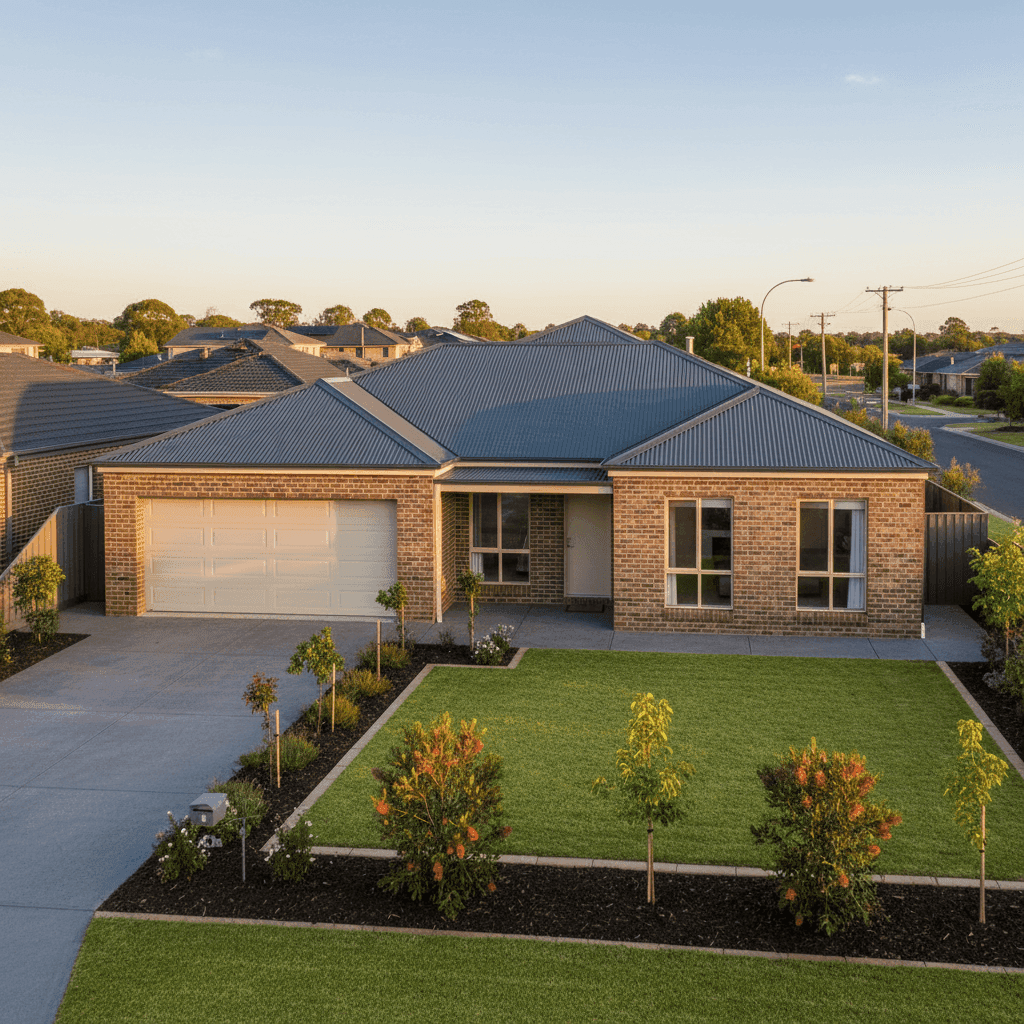
Highton is one of Geelong's most sought-after suburbs — a leafy, established area in Victoria's second-largest city that attracts families, professionals, and retirees alike. If you own a free standing home here, understanding what you should be paying for home and contents insurance is just as important as choosing the right policy. This article breaks down a real quote for a four-bedroom, two-bathroom home in Highton, compares it against local, state, and national benchmarks, and offers practical tips to help you get the best value cover.
---
Is This Quote Fair?
The annual premium for this property comes in at $1,639 per year (or around $161 per month), covering both building (sum insured: $740,000) and contents ($182,000). Based on our pricing data, this quote is rated CHEAP — sitting below the suburb average, which places it in a genuinely competitive position.
To put that in context:
- The suburb average for Highton is $2,168/yr
- The suburb median sits at $2,074/yr
- The 25th percentile (the cheapest quarter of quotes) starts at $1,647/yr
At $1,639, this quote is actually just below the 25th percentile threshold — meaning it's cheaper than approximately 75% of quotes collected for comparable properties in the area. That's a strong result by any measure.
The building excess is set at $2,000, which is on the higher side and is one of the reasons the premium is lower. The contents excess of $600 is more modest and fairly standard. It's worth weighing whether the savings justify the out-of-pocket cost if you ever need to make a claim — particularly on the building side.
---
How Highton Compares
Highton's insurance costs are notably more affordable than the broader Victorian and national markets. Here's how the numbers stack up:
| Benchmark | Average Premium | Median Premium |
|---|---|---|
| Highton (suburb) | $2,168/yr | $2,074/yr |
| Greater Geelong (LGA) | $1,852/yr | — |
| Victoria | $2,921/yr | $2,694/yr |
| National | $2,965/yr | $2,716/yr |
This quote of $1,639 is:
- $529 below the Highton suburb average
- $213 below the Greater Geelong LGA average
- $1,282 below the Victorian state average
- $1,326 below the national average
The gap between Highton and the state/national averages is significant. Much of Victoria — particularly coastal, bushfire-prone, and flood-affected regions — carries substantially higher insurance costs. Highton benefits from its inland position, established infrastructure, and relatively low exposure to extreme weather events compared to many other parts of the state.
You can explore more local data on the Highton suburb insurance stats page, or compare it against the full Victorian picture and national averages.
---
Property Features That Affect Your Premium
Several characteristics of this property work in favour of a lower premium. Here's what insurers are likely factoring in:
Brick Veneer Walls
Brick veneer is one of the most common and well-regarded construction types in Australia. It offers good fire resistance and structural durability, which insurers view favourably when calculating risk.
Steel / Colorbond Roof
Colorbond roofing is highly regarded for its resilience — it handles hail, wind, and rain well, and doesn't rot or crack like some other materials. This is a significant positive for insurers, particularly in a region like Geelong where storms can be a factor.
Concrete Slab Foundation
A slab foundation is straightforward for insurers to assess and is generally considered lower risk than pier-and-beam or raised foundations, which can be more susceptible to subsidence or moisture issues.
2005 Construction
Homes built in 2005 benefit from relatively modern building standards, including improved fire safety requirements and structural codes. This is a sweet spot — modern enough to be well-built, but not so new that replacement costs are inflated by premium finishes.
No Pool, No Solar Panels
Both pools and solar panels can add complexity (and cost) to a home insurance policy. The absence of these features keeps the risk profile clean and the premium lower.
Ducted Climate Control
Ducted systems are a contents or building feature that adds value to the home. It's factored into the sum insured rather than being a risk driver, so it doesn't significantly push the premium up.
Standard Fittings Quality
With standard-grade fittings, the cost to repair or replace internal fixtures is predictable and moderate. High-end or custom fittings can substantially increase rebuild costs and therefore premiums.
---
Tips for Homeowners in Highton
1. Review Your Sum Insured Annually
Building costs in Victoria have risen considerably in recent years. With a sum insured of $740,000 on a 214 sqm home, it's worth running a rebuild cost estimate each year to make sure you're not underinsured — especially as labour and materials costs continue to fluctuate.
2. Consider Whether Your Excess Settings Are Right for You
This policy carries a $2,000 building excess. While that's helped keep the premium down, it means a significant upfront cost if you need to make a building claim. If you'd prefer more financial certainty at claim time, ask your insurer about reducing the excess — and weigh the premium difference.
3. Bundle Building and Contents Cover
This quote already combines building and contents, which is a smart move. Bundling typically delivers better value than holding separate policies with different insurers, and it simplifies the claims process considerably.
4. Don't Overlook Contents Value
$182,000 in contents cover is a reasonable figure for a four-bedroom home, but it's easy to underestimate what you own. Do a room-by-room inventory every year or two — electronics, appliances, furniture, clothing, and jewellery add up quickly. Being underinsured on contents can be just as costly as being underinsured on the building.
---
Compare Your Own Quote
Whether you're a first-time buyer in Highton or a long-term homeowner looking to see if you're getting fair value, it pays to shop around. CoverClub makes it easy to compare home and contents insurance quotes from multiple providers in one place — so you can see exactly where your current premium sits against the market.