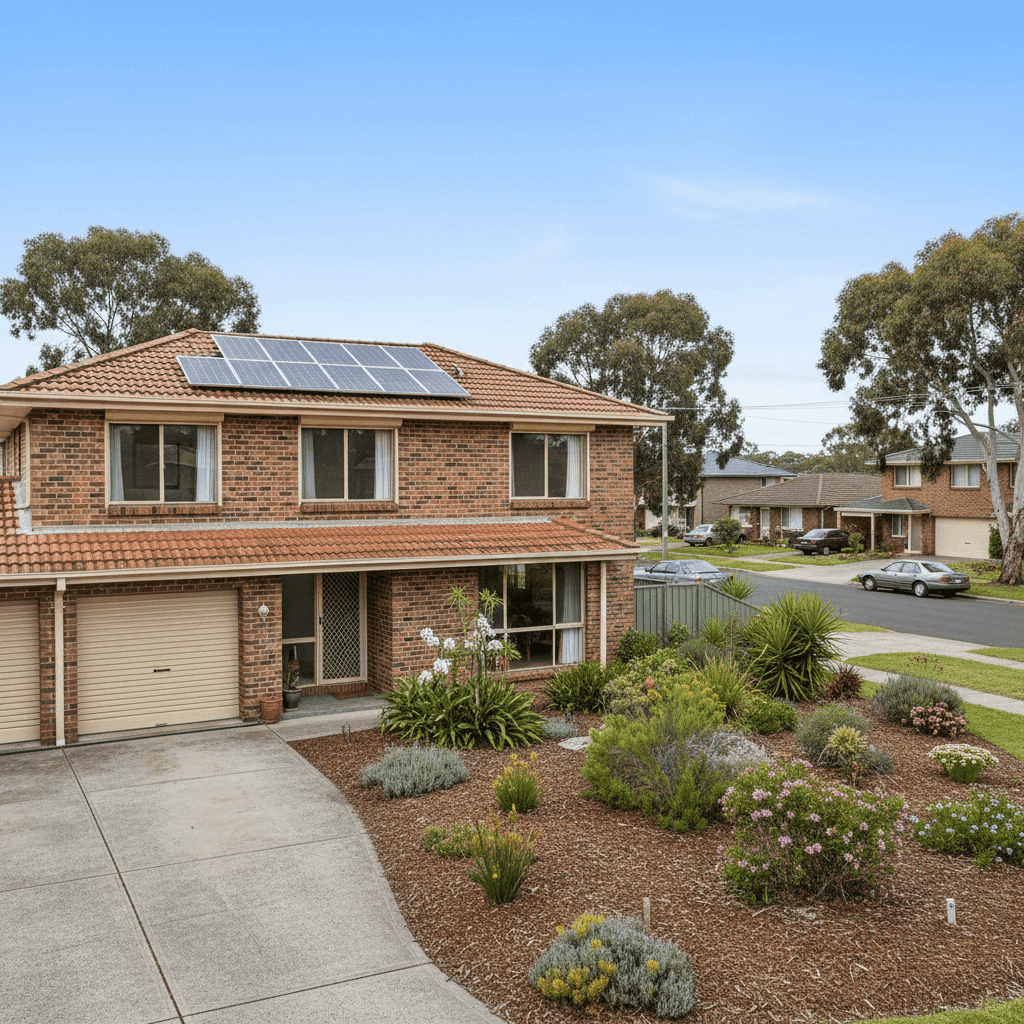
If you own a free standing home in Hillside, VIC 3037, you're probably wondering whether your home insurance premium is competitive — or whether you're quietly paying more than you need to. This article breaks down a real home and contents insurance quote for a three-bedroom, two-bathroom brick veneer home in Hillside, comparing it against suburb, state, and national benchmarks so you can make a genuinely informed decision.
---
Is This Quote Fair?
The annual premium on this quote comes in at $1,621 per year (or roughly $155 per month), covering both building and contents. The building is insured for $750,000 and contents for $75,000, with a $2,000 excess applied to both.
Our price rating for this quote is CHEAP — below average for the area. That's a meaningful result. Based on data from 63 quotes collected in Hillside, the suburb average sits at $2,573/yr and the median at $2,312/yr. This quote undercuts even the 25th percentile of $1,737/yr, meaning it's cheaper than at least 75% of comparable quotes in the suburb.
In plain terms: if this quote were sitting in a lineup of 63 Hillside premiums, it would be near the very bottom — and that's a good thing for the homeowner.
That said, "cheap" doesn't automatically mean "right." It's worth confirming the sum insured accurately reflects what it would cost to rebuild the home, and that the contents figure genuinely covers your belongings. Underinsurance is one of the most common and costly mistakes Australian homeowners make.
---
How Hillside Compares
To put this quote in proper context, here's how Hillside stacks up against broader benchmarks:
| Benchmark | Average Premium | Median Premium |
|---|---|---|
| Hillside (suburb) | $2,573/yr | $2,312/yr |
| Brimbank LGA | $1,707/yr | — |
| Victoria (state) | $3,000/yr | $2,718/yr |
| National | $5,347/yr | $2,764/yr |
A few things stand out here. First, Hillside premiums are noticeably below the Victorian state average of $3,000/yr — suggesting the suburb sits in a relatively lower-risk zone compared to many parts of the state. Second, the national average of $5,347/yr is dramatically higher, largely driven by high-risk regions in Queensland, Northern Australia, and coastal areas prone to cyclones and flooding. Hillside, being in Melbourne's north-western suburbs, doesn't carry that kind of catastrophic risk loading.
Interestingly, the Brimbank LGA average of $1,707/yr is actually lower than the Hillside suburb average of $2,573/yr, which may reflect variation within the LGA or differences in the mix of properties and cover levels being quoted.
You can explore more local data on the Hillside suburb stats page, the Victoria state overview, or the national insurance statistics.
---
Property Features That Affect Your Premium
Insurance pricing isn't arbitrary — it's driven by the specific characteristics of your home. Here's how the features of this property influence what you'd expect to pay:
Brick Veneer Walls & Tiled Roof This is one of the most common construction types in Melbourne's suburban belt, and for good reason — it's well understood by insurers. Brick veneer with a tiled roof is generally considered a moderate-to-low risk profile, and premiums tend to reflect that. Compared to homes with timber cladding or metal roofing, this combination typically attracts more competitive pricing.
Concrete Slab Foundation A slab foundation is standard for homes built in the 1990s across Victoria and is generally viewed favourably by insurers. It reduces the risk of subsidence and underfloor pest damage compared to homes on raised stumps or piers.
Construction Year: 1995 At around 30 years old, this home is past the age where it might attract "new build" discounts, but it's also not old enough to raise significant concerns about ageing infrastructure. Homes of this era typically have modern electrical wiring and plumbing standards, which keeps risk — and premiums — in check.
Solar Panels The presence of solar panels adds a modest layer of complexity for insurers. Panels need to be covered for storm damage, hail, and fire, and their value should ideally be factored into the building sum insured. Some insurers include solar panels automatically under building cover; others may require specific endorsement. It's worth confirming this with your insurer.
Ducted Climate Control Ducted heating and cooling systems are considered a fixed building feature and should be included in your building sum insured. These systems can be expensive to replace, so ensuring your $750,000 building cover accounts for this is important.
Timber/Laminate Flooring Timber and laminate floors are a common feature in homes of this era and can be a meaningful cost to replace in the event of water damage or fire. This is generally captured under building cover, though it's worth double-checking your policy's definition of "fixtures and fittings."
No Pool The absence of a pool removes a common liability and maintenance risk factor that can nudge premiums higher, particularly for contents and liability components of a policy.
---
Tips for Homeowners in Hillside
1. Check your building sum insured reflects today's rebuild costs Construction costs have risen sharply across Australia in recent years. A $750,000 sum insured may be appropriate for a 139 sqm home in Hillside, but it's worth validating this against a current building cost calculator or getting an independent assessment. Being underinsured at claim time can leave you significantly out of pocket.
2. Confirm your solar panels are covered Ask your insurer directly whether your solar panel system is included under your building cover and up to what value. If you've upgraded or expanded your system since the policy was written, you may need to update your sum insured.
3. Review your contents figure annually $75,000 in contents cover is a reasonable starting point, but it's easy for this figure to fall behind reality as you accumulate furniture, appliances, electronics, and clothing over time. A quick room-by-room estimate once a year can help you avoid a nasty surprise at claim time.
4. Compare quotes at renewal — not just at inception The fact that this quote is priced below the suburb average is great, but insurance markets shift. Insurers regularly re-price their books, and loyalty doesn't always pay. Make it a habit to compare at least two or three quotes each renewal cycle to ensure you're still getting value.
---
Ready to Compare Home Insurance in Hillside?
Whether you're a first-time buyer or a long-term homeowner in Hillside, comparing quotes is one of the simplest ways to make sure you're not overpaying. CoverClub aggregates real quote data from across Australia to help you benchmark your premium against what others in your suburb are actually paying.
Get a home insurance quote for your Hillside property today and see how your premium stacks up in seconds.