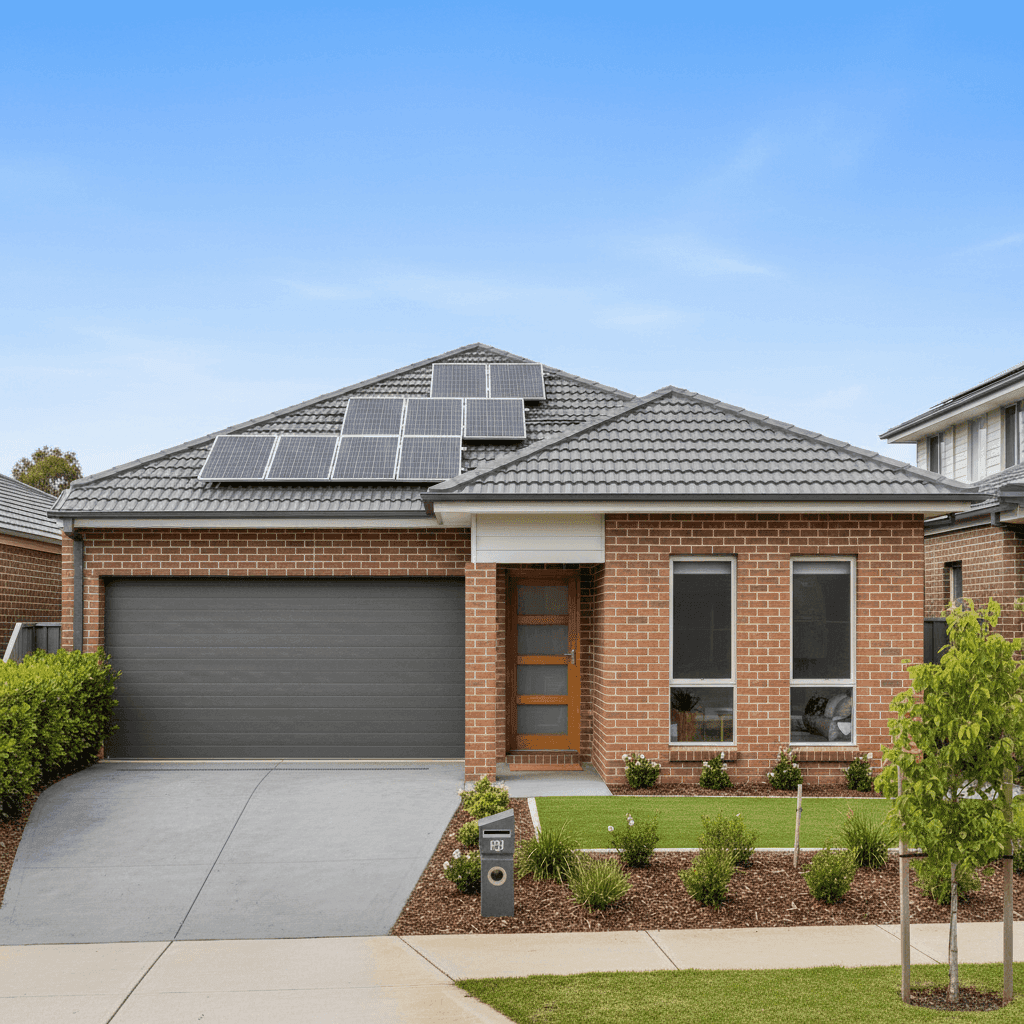
Hillside is a quiet, established suburb in Melbourne's north-west, sitting within the City of Brimbank. With a mix of family homes and medium-density dwellings, it's become an increasingly popular choice for owner-occupiers and investors alike. If you own a townhouse here, understanding how your home insurance premium compares to others in the area can help you make smarter financial decisions — and potentially save hundreds of dollars a year.
This article breaks down a real home and contents insurance quote for a 2-bedroom, 1-bathroom townhouse in Hillside, exploring what's driving the price and how it stacks up against local, state, and national benchmarks.
---
Is This Quote Fair?
The annual premium for this property came in at $1,173 per year (or roughly $115 per month), covering both building (insured at $299,000) and contents (insured at $80,000), each with a $1,000 excess.
Our price rating for this quote is CHEAP — below average — and the data backs that up convincingly.
Compared to the Hillside suburb average of $2,573 per year, this quote is sitting at less than half the typical cost paid by other homeowners in the same postcode. Even against the suburb's 25th percentile — meaning the cheapest quarter of quotes — this premium of $1,173 still undercuts the $1,737 mark. That's a genuinely competitive result.
When measured against the Victorian state average of $3,000 per year, the savings are even more striking, representing a difference of over $1,800 annually. For a standard townhouse with no particularly high-risk features, this quote appears to offer solid value.
---
How Hillside Compares
To put this quote in full context, here's how premiums in Hillside sit relative to broader benchmarks:
| Benchmark | Annual Premium |
|---|---|
| This Quote | $1,173 |
| Hillside 25th Percentile | $1,737 |
| Hillside Median | $2,312 |
| Hillside Average | $2,573 |
| Hillside 75th Percentile | $3,145 |
| LGA (Brimbank) Average | $1,707 |
| VIC State Average | $3,000 |
| VIC State Median | $2,718 |
| National Average | $5,347 |
| National Median | $2,764 |
(Based on 63 quotes collected for the Hillside area.)
A few things stand out here. First, Hillside's average premium of $2,573 is actually meaningfully below the national average of $5,347, which is heavily skewed by high-risk regions — particularly cyclone-prone areas in Queensland and Western Australia, as well as flood-affected zones across the country. The national median of $2,764 is a more useful comparison point, and Hillside sits comfortably below that too.
Interestingly, the LGA-level average for Brimbank ($1,707) is noticeably lower than the Hillside suburb average ($2,573), suggesting there's meaningful variation across different streets and property types within the council area. Townhouses like this one — with their smaller footprints and shared-wall construction — often attract lower premiums than freestanding homes, which likely contributes to the more favourable pricing here.
---
Property Features That Affect Your Premium
Several characteristics of this property work in its favour from an insurance pricing perspective:
Brick veneer construction and tiled roof Brick veneer walls paired with a tiled roof is one of the most common — and insurer-friendly — combinations in suburban Melbourne. Both materials offer solid resistance to fire and moderate weather events, and they're well understood by underwriters. This typically translates to lower premiums compared to properties with timber cladding or metal roofing in certain risk profiles.
Slab foundation A concrete slab foundation is generally considered low-risk for subsidence and structural movement, particularly in areas without significant soil reactivity issues. Hillside's geology doesn't carry the same shrink-swell clay concerns seen in some other Melbourne suburbs, which helps keep structural risk assessments reasonable.
Solar panels Solar panels are listed as a feature of this property. While they add some replacement value, many insurers now include solar panel cover as part of standard building policies — so it's worth confirming exactly what's covered under your specific policy, particularly for damage caused by storms or hail.
Ducted climate control Ducted heating and cooling systems are a fixed building feature and are typically covered under the building sum insured rather than contents. At $299,000, the building sum insured should account for the cost of reinstating these systems in a rebuild scenario.
Strata/body corporate property Because this is a body corporate property, the building insurance is typically managed by the owners corporation — meaning the strata policy covers the structure itself. It's essential to understand exactly what your strata policy covers and where it ends, so you can ensure your individual policy picks up the gaps (such as internal fixtures, improvements, and of course your contents).
No pool, no cyclone risk The absence of a swimming pool removes a common source of liability and structural claims. And being located well outside any cyclone risk zone means this property avoids the significant premium loadings that affect northern Australian homeowners.
---
Tips for Homeowners in Hillside
1. Understand your strata cover before buying additional building insurance As a body corporate property, the owners corporation likely holds a master building policy. Request a copy of the certificate of currency and check what's included — particularly regarding internal walls, fixtures, and any owner-installed improvements. You may only need a contents-focused policy, or a combination policy that covers internal building elements and contents.
2. Review your contents sum insured regularly $80,000 in contents cover is a reasonable starting point, but it's easy to underestimate the replacement value of everything you own. Do a room-by-room audit annually — especially after major purchases — to ensure you're not underinsured. Underinsurance is one of the most common issues Australians face at claim time.
3. Compare quotes at renewal, not just when you first buy Insurance markets shift, and the premium that was competitive last year may not be the best available today. Use a comparison tool like CoverClub to benchmark your renewal quote against the current market before automatically rolling over.
4. Check your excess settings Both the building and contents excess on this policy sit at $1,000. Opting for a higher voluntary excess can reduce your annual premium, which makes sense if you're financially comfortable absorbing a larger out-of-pocket cost in the event of a claim. Conversely, if cash flow is a concern, a lower excess may be worth the slightly higher premium.
---
Compare Your Own Quote
Whether you're a first-time buyer or a long-term Hillside resident, it pays to know where your premium sits relative to the market. CoverClub makes it easy to see how your current policy stacks up — and to find a better deal if one exists. Get a quote today at CoverClub and see how much you could save on home and contents insurance in Hillside and across Victoria.