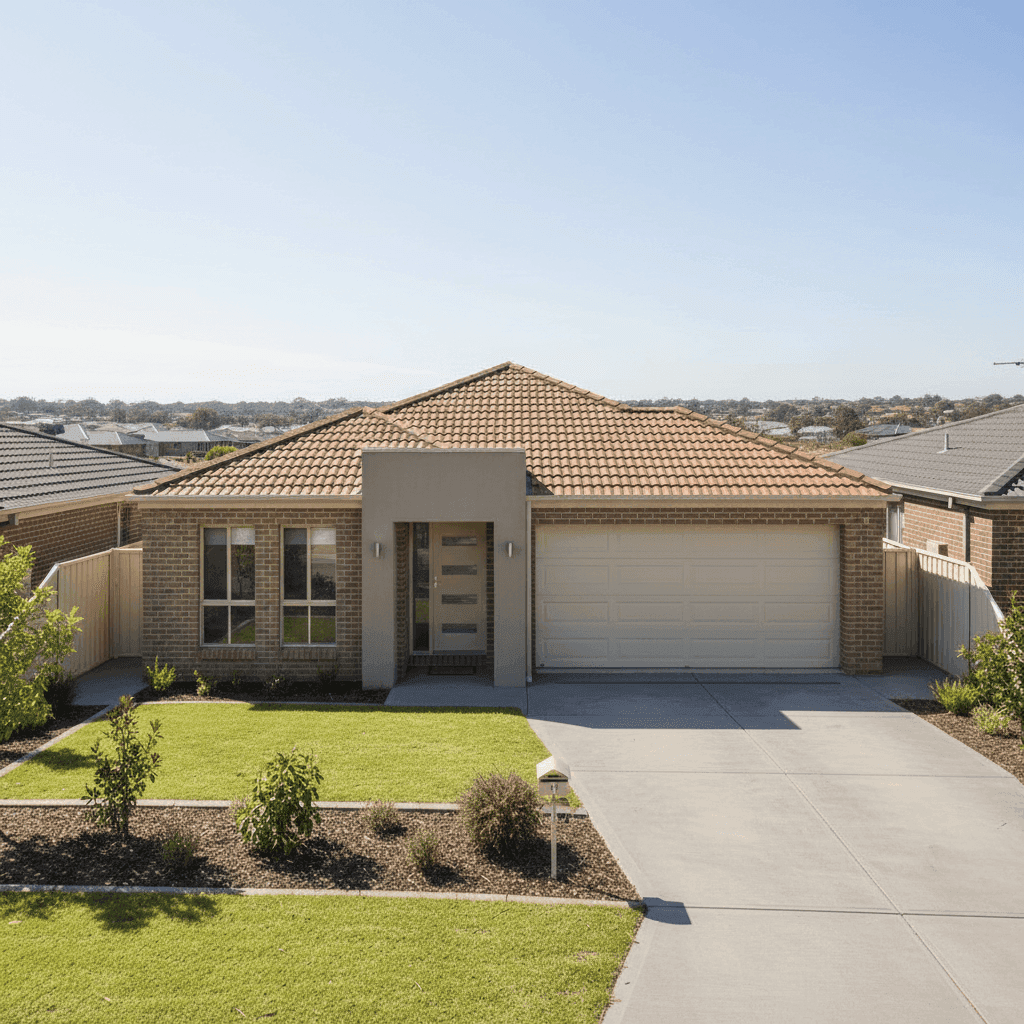
If you own a free standing home in Hillside, VIC 3037, you're probably wondering whether you're getting a fair deal on your building insurance — or quietly overpaying. This article breaks down a real building-only insurance quote for a three-bedroom, two-bathroom home in Hillside, compares it against suburb, state, and national benchmarks, and offers practical tips to help you make a smarter decision at renewal time.
---
Is This Quote Fair?
The quote in question comes in at $931 per year (or around $89 per month) for building-only cover on a 153 sqm free standing home, with a building sum insured of $450,000 and a $2,000 excess.
Our rating? Cheap — well below average.
To put that in perspective, the suburb average for Hillside sits at $2,573 per year, with a median of $2,312. That means this quote is roughly 64% cheaper than the typical premium paid by homeowners in the same postcode. Even against the 25th percentile — the cheapest quarter of quotes in the area — the $1,737 benchmark is nearly double what's on offer here.
In short, if you received a quote in this range, it deserves serious attention. Premiums this far below the local average are uncommon, and it's worth understanding why before assuming the cover is inadequate.
---
How Hillside Compares
Zooming out to a broader view, the value of this quote becomes even clearer.
| Benchmark | Premium |
|---|---|
| This quote | $931/yr |
| Hillside suburb average | $2,573/yr |
| Hillside suburb median | $2,312/yr |
| VIC state average | $3,000/yr |
| VIC state median | $2,718/yr |
| National average | $5,347/yr |
| National median | $2,764/yr |
| Brimbank LGA average | $1,707/yr |
Data sourced from CoverClub's VIC insurance stats and national benchmarks, based on 63 quotes collected in the Hillside area.
A few things stand out here. First, Hillside's suburb average of $2,573 is already meaningfully lower than the broader Victorian state average of $3,000 — suggesting the area carries a relatively moderate risk profile compared to many other parts of the state. Second, the Brimbank LGA average of $1,707 is notably lower than the suburb figure, which may reflect a mix of property types and ages across the council area pulling the average down.
The national average of $5,347 is a stark reminder of just how much home insurance costs can vary across Australia. Coastal and cyclone-prone regions in Queensland and Western Australia significantly inflate that national figure, so Victorian homeowners are generally in a more favourable position by comparison.
---
Property Features That Affect Your Premium
Several characteristics of this particular property likely contribute to its competitive premium.
Construction year (2015): A home built in 2015 benefits from modern building codes and construction standards. Newer homes tend to attract lower premiums because they're less likely to have ageing electrical systems, plumbing issues, or structural vulnerabilities that older homes may carry.
Brick veneer walls and tiled roof: This combination is widely regarded as one of the more resilient and insurer-friendly construction types in Australia. Brick veneer offers solid fire resistance and structural integrity, while a tiled roof is durable and relatively straightforward to repair or replace. Compared to properties with timber cladding or corrugated iron roofing, this profile typically attracts more competitive pricing.
Slab foundation: A concrete slab foundation is standard for homes of this era and is generally viewed favourably by insurers. It's less susceptible to subsidence and pest-related damage than older pier-and-beam foundations.
No pool, no solar panels: Both of these features can add complexity — and cost — to a policy. Pools introduce liability considerations, while solar panels increase the replacement value of the roof structure. Their absence here keeps the risk profile clean and the premium lean.
Ducted climate control: This is one feature that can nudge premiums slightly higher, as ducted systems represent a significant fixed asset that may need to be repaired or replaced following an insured event. That said, its impact on overall pricing is typically modest.
No cyclone risk: Hillside sits well outside any designated cyclone risk zone, which removes one of the more significant premium loading factors that affect homeowners in northern Australia.
Building-only cover: It's worth noting this is a building-only policy — contents are not included. If you rent out the property or store valuable belongings separately, you may want to consider whether a combined building and contents policy better suits your situation.
---
Tips for Homeowners in Hillside
1. Don't let a cheap quote lull you into complacency on coverage. A low premium is great, but make sure the $450,000 sum insured genuinely reflects what it would cost to rebuild your home from scratch — not just its market value. Underinsurance is one of the most common and costly mistakes Australian homeowners make. Use a building cost calculator or speak with a quantity surveyor if you're unsure.
2. Review your excess strategy. This policy carries a $2,000 building excess. A higher excess is one of the most effective ways to reduce your premium, but you need to be confident you can cover that amount out of pocket in the event of a claim. If cash flow is a concern, it may be worth comparing quotes with a lower excess to find the right balance.
3. Shop the market at every renewal. Insurers rarely reward loyalty with their best pricing. Even if your current premium looks competitive, it's worth running a fresh comparison each year — particularly as your property ages, the local risk environment changes, or your insurer quietly adjusts their pricing model.
4. Consider the contents gap. Building-only cover protects the structure of your home but leaves everything inside uninsured. If a fire, storm, or break-in damaged or destroyed your furniture, appliances, and personal belongings, you'd be covering those costs yourself. For most owner-occupiers, a combined policy is worth exploring.
---
Compare Your Quote at CoverClub
Whether you're reviewing a quote you've already received or starting from scratch, CoverClub makes it easy to see how your premium stacks up. Get a home insurance quote today and compare it against real data from your suburb, your state, and across Australia — so you can buy with confidence, not guesswork.