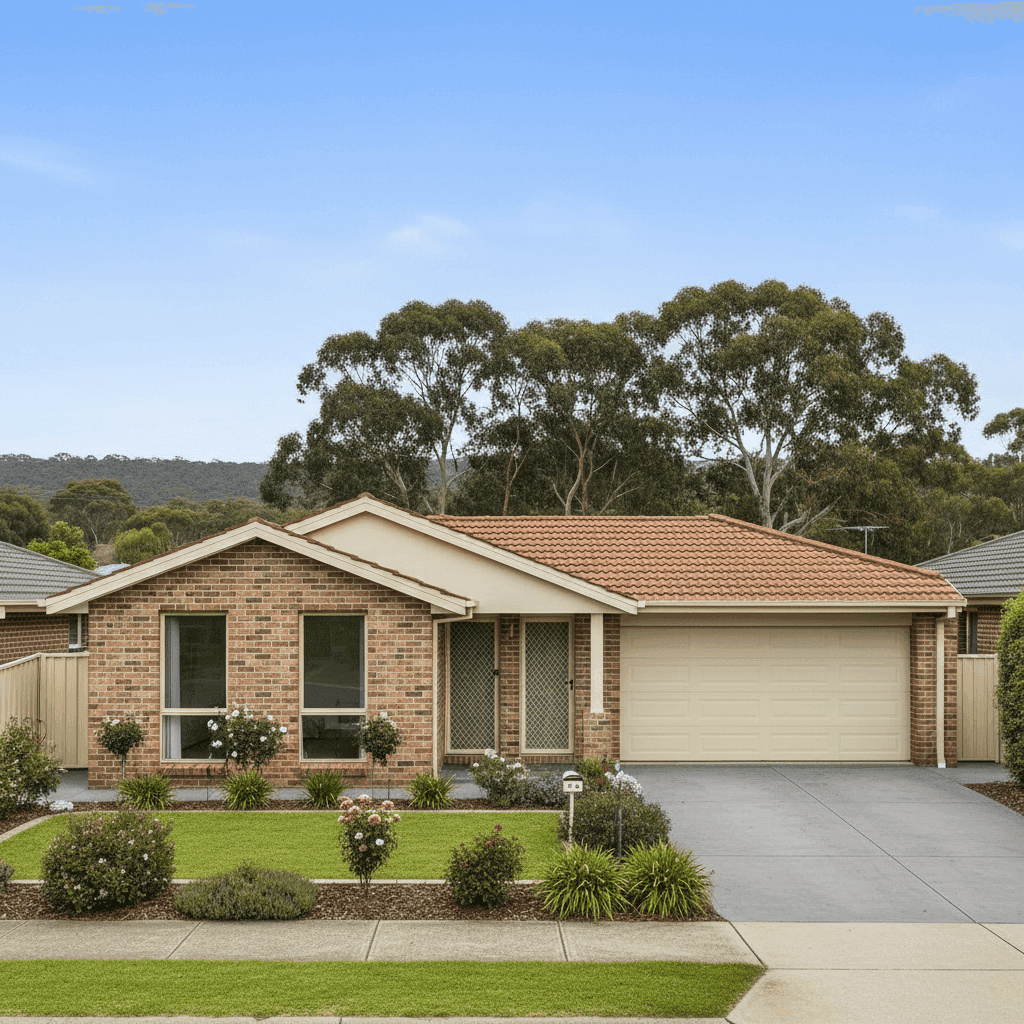
If you own a free standing home in Hillside, VIC 3037, you've probably wondered whether you're paying too much — or too little — for your building insurance. Located in Melbourne's north-western suburbs within the City of Brimbank, Hillside is a well-established residential area with a mix of family homes built across several decades. In this article, we break down a real building insurance quote for a three-bedroom, two-bathroom home in the suburb, and put the numbers into context using suburb, state, and national benchmarks.
---
Is This Quote Fair?
The quote in question comes in at $1,465 per year (or roughly $140 per month) for building-only cover on a free standing home insured for $350,000, with a $1,000 building excess. Our price rating for this quote is CHEAP — below the suburb average — which is genuinely good news for the homeowner.
To put that in perspective, the average home insurance premium across Hillside sits at $2,573 per year, with a median of $2,312. That means this quote is sitting well below the 25th percentile for the suburb (which is $1,737/yr), indicating it's among the most competitively priced policies available locally. Based on 63 quotes collected in the area, this result is a strong outcome.
For a building-only policy — which covers the physical structure of the home but not its contents — a sub-$1,500 annual premium at a $350,000 sum insured is a solid result. It's worth noting that building-only policies are naturally less expensive than combined building and contents cover, so the comparison isn't entirely apples-to-apples with all quotes in the dataset. Even so, the figure holds up well.
---
How Hillside Compares
One of the most useful ways to evaluate any insurance quote is to zoom out and look at the broader picture. Here's how Hillside stacks up:
| Benchmark | Average Premium | Median Premium |
|---|---|---|
| Hillside (3037) | $2,573/yr | $2,312/yr |
| LGA (Brimbank) | $1,707/yr | — |
| Victoria | $3,000/yr | $2,718/yr |
| National | $5,347/yr | $2,764/yr |
A few things stand out here. First, Hillside's average premium of $2,573 is actually below the Victorian state average of $3,000, suggesting the suburb carries a relatively moderate risk profile compared to many other parts of the state. Second, the LGA average for Brimbank is notably lower at $1,707 — which may reflect a mix of property types, ages, and cover levels across the council area.
The national average of $5,347 looks eye-watering by comparison, but it's heavily skewed by high-risk regions — particularly in Queensland, Western Australia, and the Northern Territory — where cyclone, flood, and storm exposure can push premiums into the thousands. Victoria, and Hillside in particular, benefits from a comparatively benign natural hazard environment.
At $1,465, this quote sits 43% below the Hillside suburb average and 51% below the Victorian state average — a compelling result by any measure.
---
Property Features That Affect Your Premium
Insurance underwriters assess risk based on the specific characteristics of a property. Here's how the features of this home likely influenced its premium:
- Brick Veneer Walls: Brick veneer is one of the most common external wall materials in Australian suburban homes built from the 1970s onwards. It's generally viewed favourably by insurers due to its durability and fire resistance compared to timber weatherboard, which can contribute to lower premiums.
- Tiled Roof: Terracotta or concrete tiles are considered a robust and relatively low-maintenance roofing material. Insurers tend to rate tiled roofs more favourably than older materials like corrugated iron or asbestos sheeting, as they're less susceptible to weather damage over time.
- Slab Foundation: A concrete slab is a standard and well-regarded foundation type in Victoria. It generally presents fewer subsidence or moisture-related risks than older pier-and-beam foundations, which can be a positive factor in risk assessment.
- Construction Year (2000): A home built in 2000 is relatively modern by Australian standards, meaning it was constructed under more stringent building codes than homes from earlier decades. This can reduce the likelihood of structural issues and may be viewed positively by underwriters.
- 139 sqm Building Size: At 139 square metres, this is a modest but practical home size. Smaller floor areas generally translate to lower rebuild costs, which is directly reflected in the sum insured and, by extension, the premium.
- Ducted Climate Control: While ducted heating and cooling systems add value and comfort, they can also slightly increase the assessed rebuild cost of a home due to the complexity of the system. This is a minor factor but worth being aware of.
- No Pool, No Solar Panels: The absence of a swimming pool removes a meaningful liability and maintenance risk from the equation. Solar panels, while increasingly common, can complicate roof claims. Neither feature applying here keeps the risk profile clean and straightforward.
- No Cyclone Risk: Hillside is not located in a cyclone-risk zone, which is a significant premium advantage. Cyclone-rated policies in northern Australia can cost multiples of what Victorian homeowners pay.
---
Tips for Homeowners in Hillside
Whether you're reviewing your existing policy or shopping around for the first time, here are a few practical steps to make sure you're getting the best value on your home insurance.
- Review your sum insured annually. Building costs have risen significantly in recent years due to labour shortages and material price increases. Make sure your $350,000 (or equivalent) sum insured still reflects the actual cost to rebuild your home — not just its market value. Underinsurance is one of the most common and costly mistakes Australian homeowners make.
- Compare quotes across multiple insurers. The spread between the cheapest and most expensive quotes in Hillside is substantial — from below $1,737 at the 25th percentile to above $3,145 at the 75th percentile. That's a difference of over $1,400 per year for what may be very similar cover. Shopping around pays off.
- Consider your excess carefully. A $1,000 excess is fairly standard, but opting for a higher excess (say, $2,000) can meaningfully reduce your annual premium. If you're unlikely to make small claims, a higher excess may be a smart trade-off — just make sure it's an amount you could comfortably cover if needed.
- Check what's actually covered. Building-only policies protect the structure of your home, but your contents — furniture, appliances, clothing, and personal items — are not included. If you don't have a separate contents policy, it's worth assessing whether you need one, especially given the cost of replacing household goods from scratch.
---
Compare Your Own Quote
Curious how your own home insurance stacks up? CoverClub makes it easy to see what other homeowners in your suburb are paying and whether your current policy is competitive. Get a quote today and find out if you could be paying less — or whether your current cover is already doing the job.
You can also explore the full Hillside insurance data, browse Victorian averages, or see how your suburb compares on a national level.