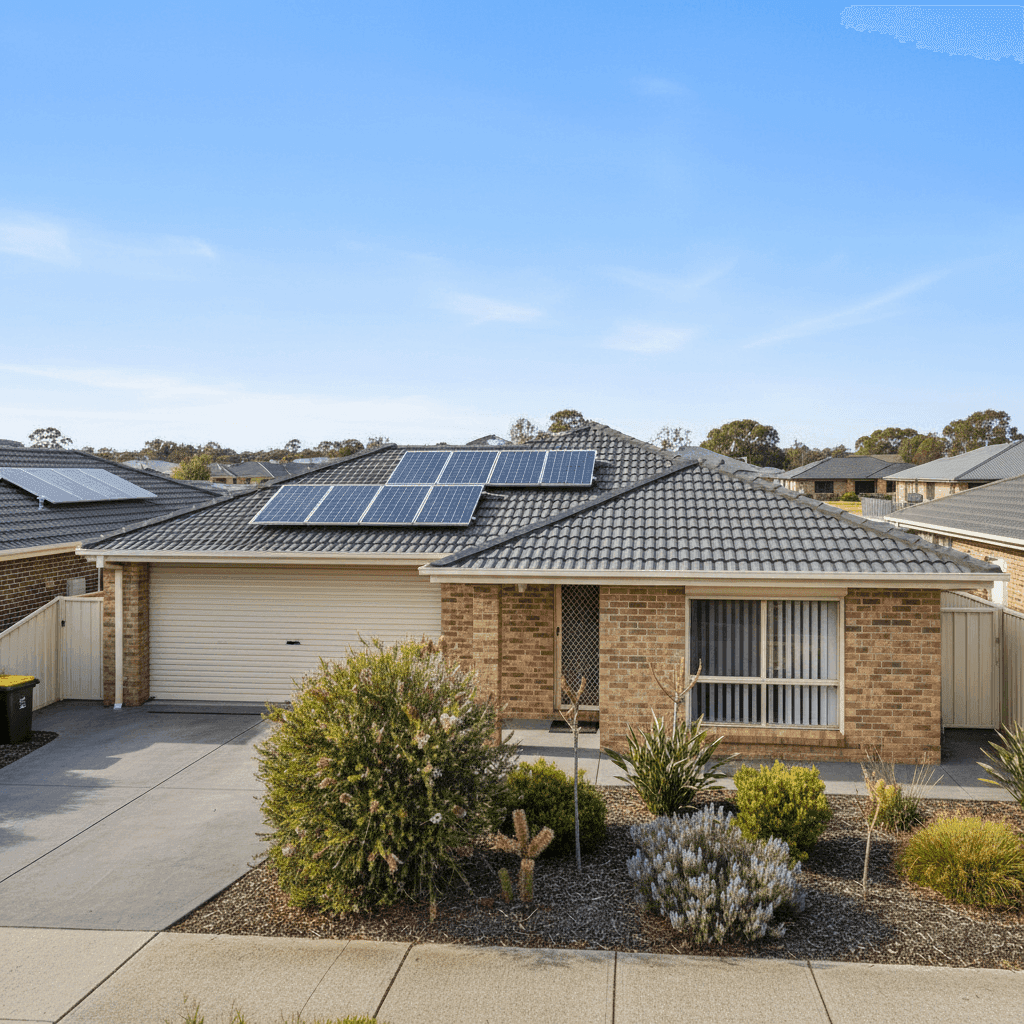
If you own a free standing home in Hillvue, NSW 2340, you've probably wondered whether you're paying a fair price for your home and contents insurance — or whether you could be doing better. This article breaks down a real insurance quote for a four-bedroom brick veneer home in Hillvue, compares it against local, state, and national benchmarks, and offers practical tips to help you get the most out of your cover.
---
Is This Quote Fair?
The short answer: yes — this is an excellent result.
The quote in question comes in at $1,696 per year (or $177/month) for combined home and contents insurance, covering a building sum insured of $904,000 and contents valued at $80,000. According to CoverClub's pricing data, this quote is rated CHEAP — meaning it sits well below the average for comparable properties in the area.
To put that in perspective, the average premium for homes in Hillvue is $2,274 per year, and the suburb median sits at $2,336. That means this quote is roughly $578 less than the local average — a saving of around 25%. Even compared to the cheapest quartile of quotes in the suburb (the 25th percentile at $2,090/yr), this result still comes in lower.
For a property of this size and specification — 214 sqm, above-average fittings, ducted climate control, and solar panels — securing cover at this price point is genuinely strong value.
---
How Hillvue Compares
Understanding how Hillvue fits into the broader insurance landscape helps you gauge whether local premiums are inherently competitive or whether there's room to negotiate.
| Benchmark | Annual Premium |
|---|---|
| This Quote | $1,696 |
| Hillvue Suburb Average | $2,274 |
| Hillvue Suburb Median | $2,336 |
| LGA (Liverpool Plains) Average | $2,851 |
| NSW State Median | $3,770 |
| National Median | $2,764 |
A few things stand out here. First, Hillvue's suburb average of $2,274 is meaningfully lower than both the NSW state median of $3,770 and the national median of $2,764. This suggests that Hillvue — and the broader Tamworth region — benefits from relatively moderate insurance risk compared to coastal, flood-prone, or cyclone-affected parts of the state.
Interestingly, the Liverpool Plains LGA average of $2,851 is noticeably higher than the Hillvue suburb average, which may reflect higher-risk pockets within the broader local government area. Hillvue itself appears to be one of the more favourably priced suburbs in the region.
You can explore the full pricing breakdown for the area on the Hillvue suburb stats page.
It's also worth noting that the NSW state average premium of $9,528 is dramatically higher than the median — a sign that a relatively small number of very high-risk or high-value properties (think luxury coastal homes or flood-zone properties) are pulling the average up significantly. The median is generally a more reliable indicator of what most NSW homeowners are paying.
---
Property Features That Affect Your Premium
Several characteristics of this property work in the homeowner's favour from an insurance pricing perspective.
Brick Veneer Construction Brick veneer is one of the more insurer-friendly wall materials in Australia. It's durable, fire-resistant, and less susceptible to storm damage than timber weatherboard. Most insurers view it positively when calculating risk.
Tiled Roof A tiled roof is similarly well-regarded. Tiles have a long lifespan and perform well in moderate weather conditions. They're less prone to wind damage than corrugated iron in non-cyclone zones, and they're a standard, low-risk choice for insurers.
Stump Foundation Homes on stumps (also called timber or concrete stumps) can sometimes attract slightly higher scrutiny, as older stumps may be subject to rot or subsidence. However, for a 1995-built home, the stumps are likely in reasonable condition, and this doesn't appear to have adversely impacted the premium here.
Solar Panels The presence of solar panels adds to the replacement value of the home and is factored into the building sum insured. It's important that your policy explicitly covers solar panels — most modern home insurance policies do, but it's worth confirming.
Ducted Climate Control Ducted air conditioning is a significant fixed asset and contributes to the building's insured value. Again, confirming this is captured in your sum insured is essential — underinsurance is one of the most common (and costly) mistakes homeowners make.
No Pool, No Cyclone Zone The absence of a swimming pool removes a common liability risk factor, and being outside a cyclone risk area means the property avoids the substantial premium loadings that apply to homes in Northern Queensland and parts of Western Australia.
Above-Average Fittings Higher-quality fittings — think stone benchtops, quality cabinetry, premium flooring — increase the cost to rebuild or repair, which is reflected in a higher sum insured. The $904,000 building cover here accounts for this, and ensuring your sum insured keeps pace with construction cost inflation is critical.
---
Tips for Homeowners in Hillvue
1. Review Your Sum Insured Annually Building costs in regional NSW have risen considerably in recent years, driven by labour shortages and materials costs. A sum insured of $904,000 for a 214 sqm home with above-average fittings is substantial, but it's worth reassessing each year to make sure it still reflects current rebuild costs — not what it would have cost five years ago.
2. Don't Overlook Contents Coverage At $80,000, the contents cover here is relatively modest for a four-bedroom home with above-average fittings. Do a room-by-room audit of your belongings — furniture, appliances, clothing, electronics, and jewellery — to make sure you're not underinsured on the contents side.
3. Understand Your Excess Structure This policy carries a $3,000 building excess and a $1,000 contents excess. A higher excess typically lowers your premium, but it means you'll need to fund more out of pocket in the event of a claim. Make sure these amounts are comfortable given your financial position.
4. Compare at Renewal Time Even if your current premium is competitive, insurers regularly reprice their books. What's cheap today may not be cheap next year. Using a comparison tool like CoverClub at renewal time takes only a few minutes and could save you hundreds of dollars annually.
---
Get a Quote for Your Hillvue Home
Whether you're a first-time buyer or a long-time homeowner in Hillvue, it pays to know what the market is offering. CoverClub makes it easy to compare home and contents insurance quotes from multiple insurers in one place — so you can see exactly where your premium sits and whether there's a better deal waiting for you.