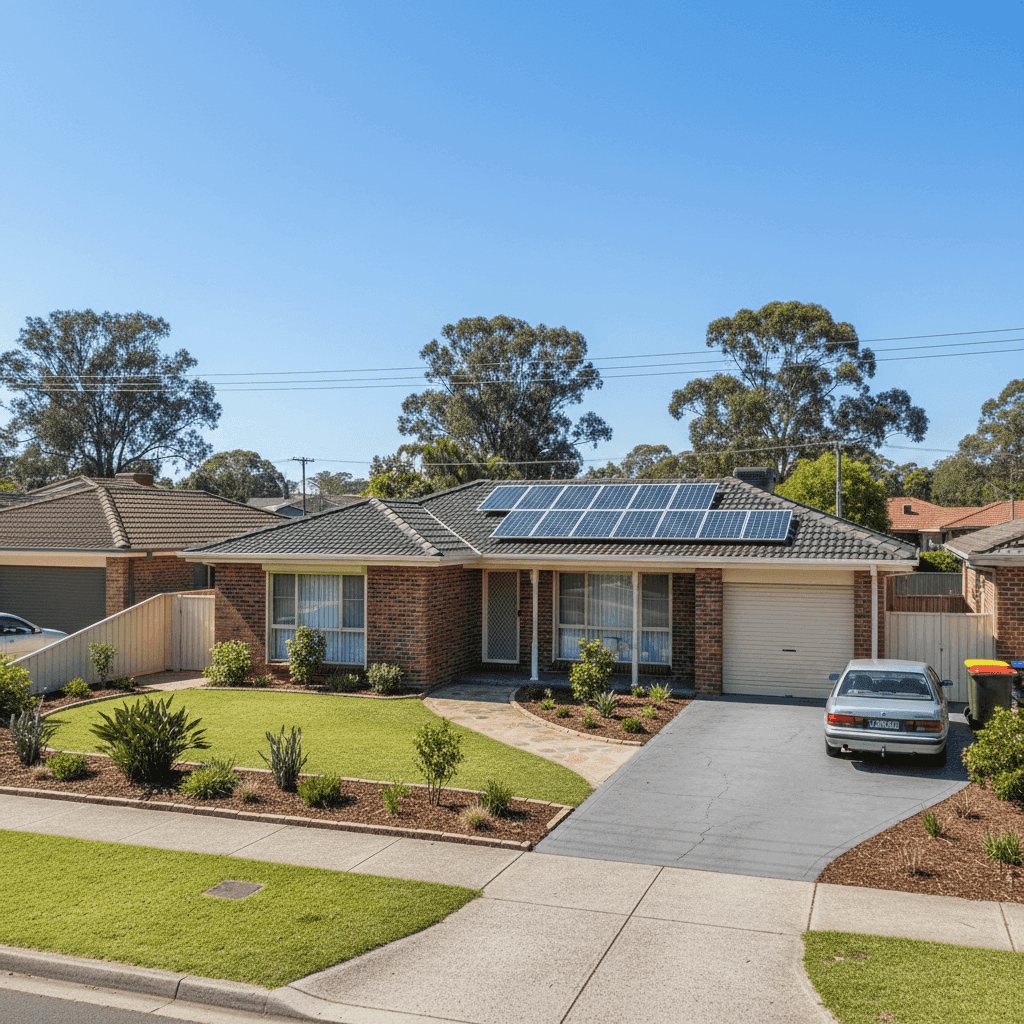
Hinchinbrook is a well-established residential suburb in Sydney's south-west, sitting within the Liverpool Local Government Area. Known for its family-friendly streets and predominantly brick-built homes, it's the kind of suburb where a solid, mid-sized free standing home is very much the norm. If you own a three-bedroom property here and you're wondering whether your home insurance premium is reasonable, this analysis breaks down a recent quote — and puts it in context against what others are paying across the suburb, the state, and the country.
---
Is This Quote Fair?
The quote in question comes in at $1,069 per year (or around $100 per month) for combined Home and Contents cover, with a building sum insured of $700,000 and contents valued at $50,000. The building excess sits at $4,000 and the contents excess at $2,000.
Our price rating for this quote? Cheap — below average. That's genuinely good news for the homeowner.
To put it plainly: this premium is well below what most comparable properties in Hinchinbrook are attracting. The suburb's median premium sits at $1,822 per year, meaning this quote comes in at roughly 41% less than the local median. Even against the suburb's 25th percentile — the point at which only one in four quotes are cheaper — this premium of $1,069 still undercuts the $1,445 benchmark.
It's worth noting that the higher excess amounts (particularly the $4,000 building excess) are likely contributing to the lower premium. Insurers typically reward policyholders who are willing to absorb more of the initial cost of a claim, and that trade-off is clearly reflected here. Whether that's the right balance for your financial situation is a personal decision, but from a pure premium standpoint, this quote represents strong value.
---
How Hinchinbrook Compares
Understanding where your suburb sits in the broader insurance landscape is useful context — both for evaluating your own quote and for understanding the risk profile of the area.
According to data from Hinchinbrook's suburb insurance stats on CoverClub, the average premium in the 2168 postcode is $3,049 per year, with a median of $1,822. That's a notable spread, suggesting there's considerable variation in the quotes being issued — likely driven by differences in sum insured amounts, construction types, and individual insurer pricing models.
Zooming out to the state level, NSW home insurance premiums are running at an average of $3,801 per year, with a median of $3,410. NSW consistently ranks as one of the more expensive states for home insurance in Australia, driven in part by flood, storm, and bushfire exposure across various parts of the state — even if Hinchinbrook itself is relatively low-risk on several of those fronts.
At the national level, the picture is slightly more moderate: the national average sits at $2,965 per year, with a median of $2,716. Hinchinbrook's median of $1,822 actually compares quite favourably against both state and national figures, suggesting the suburb benefits from a relatively benign risk profile overall.
Within the Liverpool LGA specifically, the average premium is $2,768 per year — again, well above what this particular quote is offering.
| Benchmark | Average Premium |
|---|---|
| This Quote | $1,069/yr |
| Hinchinbrook (2168) Median | $1,822/yr |
| Hinchinbrook (2168) Average | $3,049/yr |
| Liverpool LGA Average | $2,768/yr |
| NSW Average | $3,801/yr |
| National Average | $2,965/yr |
---
Property Features That Affect Your Premium
Several characteristics of this property work in favour of a competitive premium:
Brick Veneer Construction Brick veneer is one of the most common wall types across Sydney's suburban housing stock, and insurers generally view it favourably. It offers good fire resistance and structural durability, which can translate into lower premiums compared to timber-framed or clad homes.
Tiled Roof A tile roof is considered a low-risk roofing material by most insurers. Tiles are durable, fire-resistant, and less susceptible to storm damage than corrugated iron or other lightweight materials — all factors that can keep premiums down.
Concrete Slab Foundation Slab foundations are standard for homes built in this era and region, and they're generally regarded as stable and low-maintenance. There's no elevated subfloor space that could be vulnerable to flooding or pest damage.
1997 Construction Homes built in the late 1990s fall into a sweet spot for insurers — old enough to have settled and established, but built under modern enough building codes to meet reasonable structural standards. This is preferable to very old homes that may have outdated wiring or plumbing.
Solar Panels The property does have solar panels installed, which is worth flagging. Solar panels add value to the home and should be factored into your sum insured to ensure they're adequately covered. Some insurers include them automatically under building cover; others may require specific mention. It's worth confirming with your insurer that your panels are explicitly covered.
Standard Fittings and No Pool Standard-quality fittings keep replacement costs predictable, and the absence of a pool removes a common source of liability and maintenance-related claims. Both factors contribute to a cleaner risk profile.
---
Tips for Homeowners in Hinchinbrook
1. Review your sum insured regularly A building sum insured of $700,000 for a 130 sqm home in Hinchinbrook is worth reviewing annually. Construction costs have risen sharply in recent years, and being underinsured can leave you significantly out of pocket in the event of a total loss. Use a building cost calculator or speak with a quantity surveyor to sense-check your figure.
2. Confirm solar panel coverage As mentioned above, solar panels are a meaningful asset. Before renewing or switching policies, ask your insurer directly whether panels are covered under your building policy, and for how much. Don't assume — get it in writing.
3. Consider whether your excess levels suit your situation The $4,000 building excess on this policy is on the higher end. While it's helping to keep the premium low, it means you'd need to cover the first $4,000 of any building claim yourself. If you don't have that amount readily accessible, it may be worth adjusting the excess upward on your savings and downward on your policy — or simply ensuring you have an emergency fund to cover it.
4. Compare quotes at renewal time Even if you're happy with your current premium, it pays to shop around every year. Insurers regularly adjust their pricing, and the difference between the cheapest and most expensive quotes in Hinchinbrook can be substantial — as the spread between the 25th percentile ($1,445) and 75th percentile ($2,543) illustrates. A few minutes of comparison could save you hundreds.
---
Get a Better Deal on Home Insurance
Whether you're a first-time buyer or a long-time Hinchinbrook resident, comparing home insurance quotes is one of the simplest ways to make sure you're not overpaying. CoverClub makes it easy to see what multiple insurers are offering for your specific property — so you can make an informed decision rather than just rolling over your existing policy. Get a home insurance quote today and see how your premium stacks up.