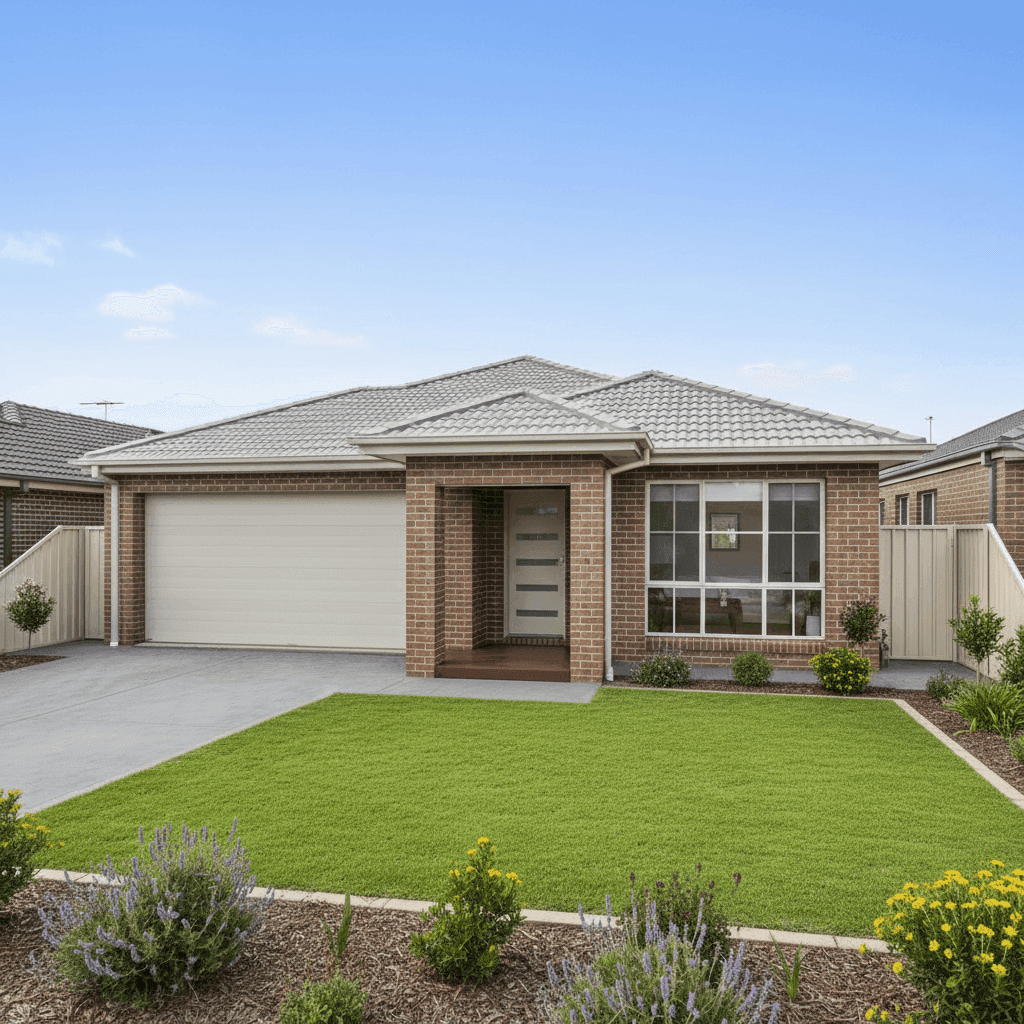
Hinchinbrook is a well-established residential suburb in Sydney's south-west, sitting within the Liverpool Local Government Area. It's the kind of neighbourhood where brick veneer homes on concrete slabs are the norm — practical, durable, and built to last. This article takes a close look at a recent building-only insurance quote for a four-bedroom free standing home in Hinchinbrook (postcode 2168), breaking down whether the premium is reasonable and what local homeowners can do to keep costs in check.
---
Is This Quote Fair?
The quote in question comes in at $4,028 per year (or $386/month) for building-only cover on a 214 sqm home with a sum insured of $717,000 and a $1,000 excess.
Our price rating for this quote is Expensive — Above Average.
To put that in context: the average building insurance premium across Hinchinbrook sits at just $1,612 per year, with a median of $1,601. This quote is roughly 2.5 times the suburb average — a significant gap that's worth interrogating before renewing or accepting this policy.
That said, premium comparisons aren't always apples-to-apples. A higher sum insured, the size of the dwelling, and the specific insurer's risk model all play a role. At $717,000 insured, this property is likely sitting above the average sum insured for the suburb, which will naturally push the premium higher. Still, even accounting for that, the price warrants a closer look and a comparison shop.
---
How Hinchinbrook Compares
Understanding where Hinchinbrook sits relative to broader benchmarks helps put any individual quote in perspective.
| Benchmark | Average Premium | Median Premium |
|---|---|---|
| Hinchinbrook (2168) | $1,612/yr | $1,601/yr |
| Liverpool LGA | $2,029/yr | — |
| NSW | $9,528/yr | $3,770/yr |
| National | $5,347/yr | $2,764/yr |
A few things stand out here. First, Hinchinbrook is actually a relatively affordable suburb to insure compared to both the NSW state average and the national average — the suburb median of $1,601 is well below the national median of $2,764. This suggests the area carries a lower-than-average risk profile, which makes sense given it's not in a flood-prone, cyclone-affected, or bushfire-prone zone.
Second, the NSW state average of $9,528 is dramatically higher than the national average, largely driven by high-value coastal and flood-prone properties skewing the numbers upward. The NSW median of $3,770 is a more representative figure for typical homeowners.
For a deeper dive into how Hinchinbrook stacks up, visit the Hinchinbrook suburb insurance stats page. You can also explore NSW-wide home insurance data or the national home insurance statistics for broader context.
> Note: The suburb comparison is based on a sample of 19 quotes, so while directionally useful, a larger dataset would give an even clearer picture.
---
Property Features That Affect Your Premium
Every home is unique, and insurers assess dozens of variables when pricing a policy. Here's how the key features of this property likely influence the premium:
Brick Veneer Walls Brick veneer is one of the most common external wall types in Australian suburbia, and insurers generally view it favourably. It offers solid fire resistance and durability, which can help moderate premiums compared to timber-framed or clad homes.
Tiled Roof Terracotta or concrete tiles are considered a low-to-moderate risk roofing material. They're resilient in most weather conditions and have a long lifespan, both of which work in the homeowner's favour at quote time.
Concrete Slab Foundation Slab foundations are standard for homes of this era and construction type. They're structurally sound and don't carry the subsidence or moisture risks sometimes associated with older stumped or suspended floor systems.
Tile Flooring Internal tile flooring is durable and not particularly susceptible to water damage compared to timber or carpet — a minor but positive factor in an insurer's risk assessment.
Built in 2017 A relatively modern build, this home benefits from construction standards that meet contemporary Australian building codes. Newer homes typically attract more competitive premiums than older properties that may have ageing wiring, plumbing, or roofing.
Ducted Climate Control Ducted air conditioning systems are a fixed building feature and are typically included in the building sum insured. They add to the replacement cost of the home, which is reflected in the higher sum insured — and by extension, the premium.
214 sqm Building Size At 214 sqm, this is a reasonably sized family home. The larger the floor area, the higher the cost to rebuild — which directly affects the sum insured and the premium.
No Pool, No Solar Panels The absence of a pool and solar panels removes two common sources of additional premium loading, keeping things straightforward from an insurer's perspective.
---
Tips for Homeowners in Hinchinbrook
If you're a homeowner in Hinchinbrook and your premium feels higher than expected, here are some practical steps worth taking:
1. Shop around — seriously The gap between the cheapest and most expensive quotes in any suburb can be enormous. With a suburb average of $1,612 and this quote sitting at $4,028, there's clearly significant variation in how different insurers price the same risk. Use a comparison tool like CoverClub to get multiple quotes side by side.
2. Review your sum insured Make sure your sum insured reflects the actual cost to rebuild your home — not its market value. Overinsuring is a common and costly mistake. Use a building cost calculator or ask a quantity surveyor to verify your rebuild estimate. For a 214 sqm brick veneer home in western Sydney, $717,000 may be on the higher end depending on your finishes.
3. Consider a higher excess Opting for a higher voluntary excess (say, $2,000 or $2,500 instead of $1,000) can meaningfully reduce your annual premium. Just make sure you're comfortable covering that amount out of pocket in the event of a claim.
4. Ask about discounts Many insurers offer discounts for things like bundling home and contents, paying annually instead of monthly, being claim-free for several years, or having certain security features installed. It's always worth asking — these savings are rarely advertised prominently.
---
Compare Your Home Insurance Quote Today
Whether you're reviewing an existing policy or shopping for the first time, it pays to compare. CoverClub makes it easy to see how your quote stacks up against real data from your suburb, LGA, and state — so you can make a confident, informed decision.