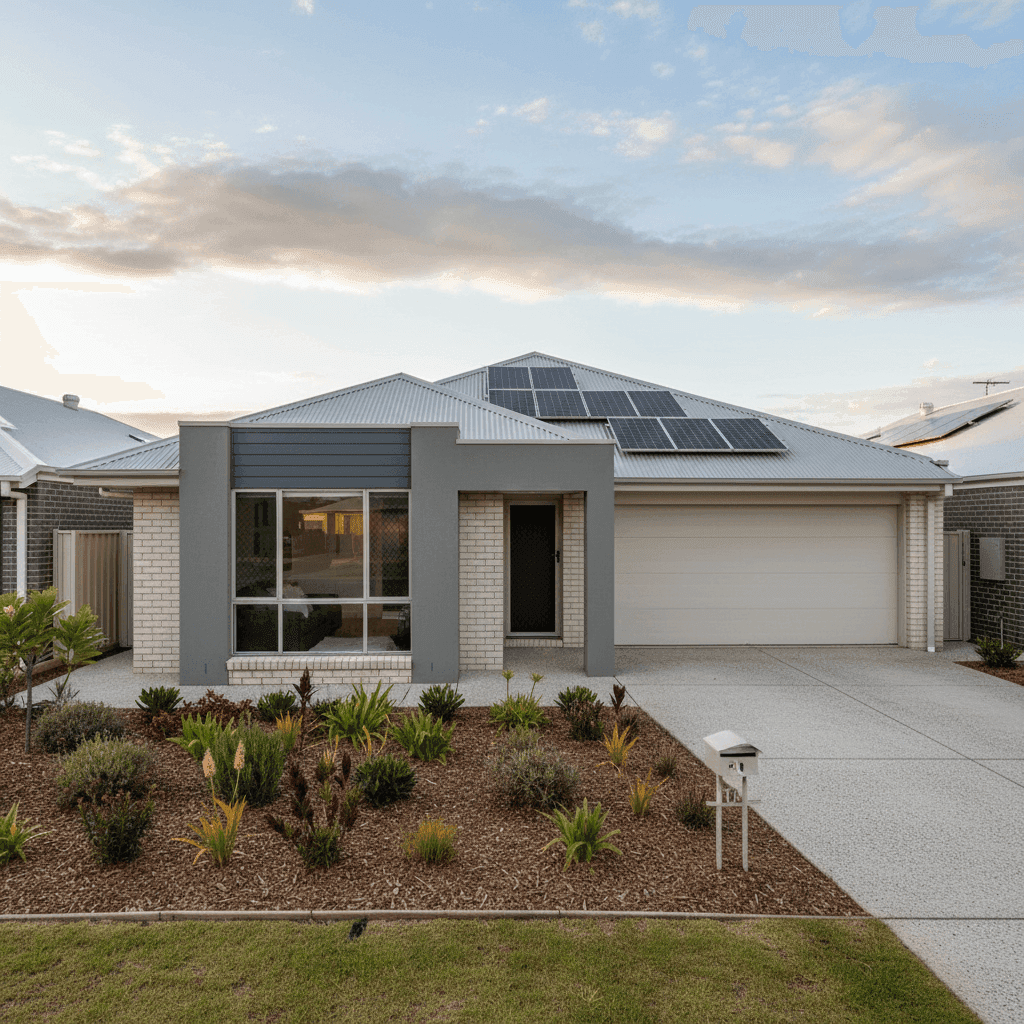
Hope Island, nestled in the northern Gold Coast corridor of Queensland, is one of the region's most sought-after residential addresses. Known for its canals, golf courses, and modern housing stock, it attracts homeowners who invest significantly in quality properties. So when a building-only insurance quote comes in at $1,407 per year for a four-bedroom, three-bathroom free standing home here, it's worth taking a close look at whether that's a genuinely competitive price — or a figure that deserves more scrutiny.
---
Is This Quote Fair?
The short answer: yes, this is a very competitive quote. CoverClub rates this premium as CHEAP (Below Average), meaning it sits well below what most comparable homeowners in the area are paying.
To put it in perspective, the suburb median premium for Hope Island (4212) sits at $5,486 per year, and the average — skewed upward by some eye-watering outliers — reaches $30,600 per year across a sample of 100 quotes. At $1,407, this quote comes in at roughly 25% of the suburb median, which is a remarkable result.
Even against the 25th percentile of suburb quotes ($3,628/yr), this premium is still significantly lower. In other words, this quote is cheaper than at least 75% of the quotes recorded for Hope Island — placing it firmly in "excellent value" territory.
---
How Hope Island Compares
Understanding where Hope Island sits in the broader insurance landscape helps frame just how unusual this quote is.
| Benchmark | Premium |
|---|---|
| This Quote | $1,407/yr |
| Hope Island Suburb Median | $5,486/yr |
| Hope Island Suburb Average | $30,600/yr |
| Gold Coast LGA Average | $8,161/yr |
| QLD State Median | $3,903/yr |
| QLD State Average | $9,129/yr |
| National Median | $2,764/yr |
| National Average | $5,347/yr |
A few things stand out here. Hope Island's suburb average of $30,600 is extraordinarily high — more than three times the Queensland state average and nearly six times the national average. This is likely driven by a cohort of high-value waterfront properties and prestige homes that push the mean upward considerably. The median of $5,486 is a more realistic reflection of what a typical homeowner pays, and even that is well above the state and national medians.
The Gold Coast LGA average of $8,161 per year further underscores that this is a premium-priced insurance market. Factors like proximity to waterways, storm risk, and high property values all contribute to elevated premiums across the region.
Against all of these benchmarks, a quote of $1,407 — even for building-only cover — represents genuine value.
---
Property Features That Affect Your Premium
Several characteristics of this particular property work in the homeowner's favour when it comes to pricing.
Construction year (2018): A relatively modern build is a significant advantage. Homes constructed after Queensland's updated building codes — which tightened considerably following cyclone and storm events — tend to attract lower premiums. Newer properties are less likely to have ageing infrastructure, outdated wiring, or deteriorating materials that increase risk.
Brick veneer walls and Colorbond roof: This combination is well-regarded by insurers. Brick veneer offers solid structural integrity and fire resistance, while steel Colorbond roofing is durable, lightweight, and performs well in Queensland's harsh UV and storm conditions. Both materials are cost-effective to repair or replace compared to alternatives like timber weatherboard or terracotta tiles.
Concrete slab foundation: A slab foundation reduces the risk of subsidence and is generally considered low-maintenance and low-risk by underwriters — particularly relevant in coastal Queensland where soil movement can be a concern.
Tile flooring: Hard flooring throughout reduces the risk of water damage claims compared to carpet or timber, which can be costly to replace after flooding or plumbing incidents.
Solar panels: While solar panels add some replacement value to a claim, most modern insurers accommodate them readily. It's worth confirming with your insurer that your panels and inverter are explicitly covered under your building policy, as coverage can vary.
Ducted climate control: Ducted air conditioning systems are typically covered as a fixed building fixture. As with solar, it's prudent to verify the system is listed under your sum insured, particularly given replacement costs for ducted systems can run into the tens of thousands.
No pool: The absence of a pool removes a common source of liability and maintenance-related claims, which can subtly influence premium pricing.
Not in a cyclone risk zone: This is a meaningful factor. Much of Queensland — particularly north of the Tropic of Capricorn — attracts cyclone loading on premiums. Hope Island, situated on the Gold Coast, falls outside the designated cyclone risk area, which keeps premiums more manageable than they would be for equivalent properties in Cairns or Townsville.
---
Tips for Homeowners in Hope Island
1. Review your sum insured annually. With a building sum insured of $500,000 on a 235 sqm home built in 2018 with quality fittings, it's worth ensuring this figure reflects current rebuild costs. Construction costs in South East Queensland have risen sharply in recent years. Underinsurance is one of the most common — and costly — mistakes homeowners make. Use a building cost calculator or speak with a quantity surveyor to validate your figure.
2. Confirm your solar and ducted AC are covered. As noted above, these are significant assets. Check your policy schedule to ensure both the solar panel array and ducted climate control system are included in your building cover. If they're not explicitly listed, ask your insurer to clarify.
3. Shop around at renewal time. The wide spread of premiums in Hope Island — from under $1,500 to well over $30,000 — demonstrates that insurers price this suburb very differently. Loyalty doesn't always pay in insurance. Comparing quotes annually through a platform like CoverClub takes minutes and could save you thousands.
4. Consider the value of a higher excess. This quote carries a building excess of $5,000. While that's on the higher end, it's one of the reasons the premium is so competitive. If you have the financial buffer to absorb a larger out-of-pocket cost in the event of a claim, a higher excess is a legitimate strategy for keeping annual premiums low. Just ensure the excess is manageable relative to your savings.
---
Get Your Own Quote
Whether you're a homeowner in Hope Island or anywhere else in Australia, comparing building insurance quotes is one of the simplest ways to make sure you're not overpaying. CoverClub aggregates real premium data so you can see exactly how your quote stacks up against your neighbours and the broader market.