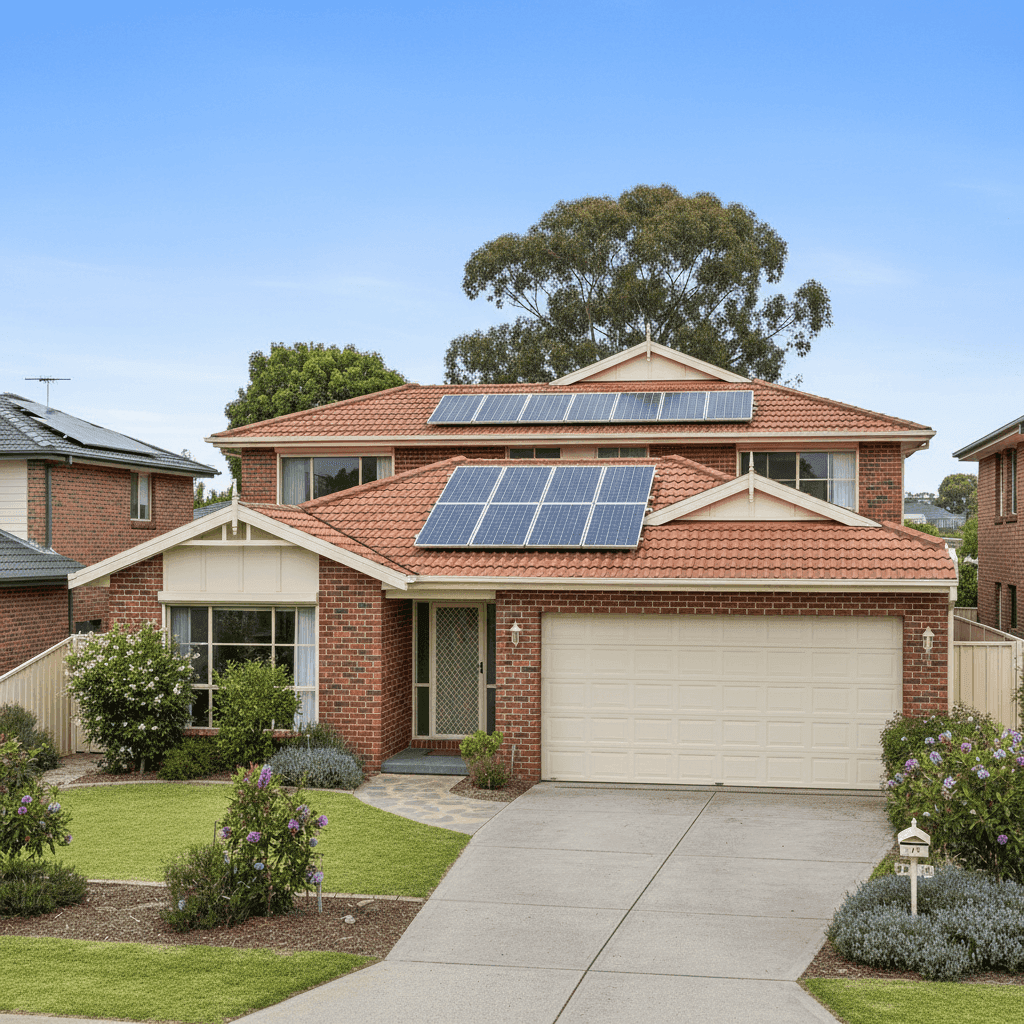
If you own a free standing home in Hoppers Crossing, VIC 3029, you're probably curious about what a fair home and contents insurance premium looks like — and whether you're paying too much, too little, or just right. This article breaks down a real quote for a three-bedroom, two-bathroom brick veneer home in the suburb, benchmarking it against local, state-wide, and national data to give you a clear picture of where it sits.
---
Is This Quote Fair?
The quote in question comes in at $1,067 per year (or around $103 per month) for combined home and contents cover — insuring the building for $420,000 and contents for $80,000, with a building excess of $3,000 and a contents excess of $1,000.
Our rating for this quote? Cheap — below average. That's a good thing.
To put it in context: based on 60 quotes collected for Hoppers Crossing, the suburb average premium sits at $2,252 per year, and the median is even higher at $2,383. This quote comes in at less than half the suburb median — a significant saving by any measure. Even compared to the 25th percentile of suburb quotes (meaning the cheapest quarter of quotes), which sits at $1,456 per year, this premium is still notably lower.
For homeowners in this part of Melbourne's western suburbs, landing a quote at this price point represents genuine value — assuming the cover level and policy terms meet your needs.
---
How Hoppers Crossing Compares
Zooming out beyond the suburb, the picture becomes even more striking. According to Victoria-wide insurance data, the state average premium is $2,921 per year, with a median of $2,694. And at the national level, Australians are paying an average of $2,965 per year, with a national median of $2,716.
Here's a quick snapshot of how this quote stacks up:
| Benchmark | Annual Premium |
|---|---|
| This Quote | $1,067 |
| Hoppers Crossing Suburb Average | $2,252 |
| Hoppers Crossing Suburb Median | $2,383 |
| Suburb 25th Percentile | $1,456 |
| Suburb 75th Percentile | $2,894 |
| LGA (Melton) Average | $1,803 |
| VIC State Average | $2,921 |
| National Average | $2,965 |
It's worth noting that Hoppers Crossing sits within the City of Melton LGA, where the average premium of $1,803 is already meaningfully below both state and national benchmarks. This suggests the broader Melton region benefits from relatively favourable risk characteristics — no cyclone exposure, lower flood risk in many pockets, and a predominantly suburban housing stock. Even so, this particular quote undercuts the LGA average by more than $700.
---
Property Features That Affect Your Premium
Several characteristics of this property likely contribute to its competitive premium. Understanding these factors can help you make sense of your own quote.
Brick Veneer Construction Brick veneer is one of the most common wall materials in Melbourne's suburban homes, and insurers generally view it favourably. It offers solid fire resistance and durability, which can translate to lower risk assessments compared to timber-framed or clad exteriors.
Tiled Roof A tiled roof — whether concrete or terracotta — is considered a low-to-moderate risk roofing type. It's durable, relatively resistant to ember attack, and widely understood by insurers. Homes with older or more vulnerable roofing materials (such as corrugated iron in poor condition) can attract higher premiums.
Slab Foundation A concrete slab foundation is standard for homes of this era in Victoria and carries no particular premium loading. It avoids the underfloor moisture and pest-access concerns sometimes associated with raised timber stumps.
Built in 1980 At around 45 years old, this home sits in a middle ground for insurers. It's not new, but it's not so old as to trigger significant concerns about outdated wiring, plumbing, or structural integrity — particularly if it has been well maintained.
Solar Panels The presence of rooftop solar panels is worth flagging. Most insurers cover solar panels under the building component of a home policy, but it's important to confirm this explicitly. Some policies have sub-limits or exclusions for solar systems, so homeowners should check whether their $420,000 sum insured adequately accounts for the replacement cost of the panels.
Ducted Climate Control Ducted heating and cooling systems are a fixed installation and typically covered under building insurance. Again, it's worth ensuring the sum insured reflects the cost of replacing this system if needed.
No Pool, No Cyclone Risk The absence of a swimming pool removes a liability and maintenance risk factor that can push premiums higher. And being well outside any cyclone-designated zone in Victoria means none of the significant premium loadings that apply in parts of Queensland or northern WA.
---
Tips for Homeowners in Hoppers Crossing
Whether you're reviewing an existing policy or shopping for the first time, here are some practical steps worth taking.
1. Check Your Sum Insured Reflects Today's Building Costs Construction costs have risen sharply across Australia in recent years. A $420,000 sum insured may be appropriate for a 139 sqm home in this area, but it's worth using a building cost calculator or speaking with a quantity surveyor to confirm you're not underinsured. Being underinsured at claim time can be a costly mistake.
2. Verify Solar Panel Coverage As mentioned above, confirm with your insurer exactly how your solar system is covered — including panels, inverter, and mounting hardware. Ask whether there are any sub-limits and whether accidental damage is included.
3. Review Your Excess Settings This quote carries a $3,000 building excess and a $1,000 contents excess. A higher excess generally lowers your premium, but make sure you're comfortable covering that amount out of pocket in the event of a claim. If $3,000 would be a financial stretch, it may be worth comparing quotes with a lower building excess.
4. Compare Quotes Annually Even if your current premium looks competitive, the insurance market shifts regularly. Insurers reprice based on claims data, reinsurance costs, and risk modelling — so a great deal today isn't guaranteed to stay that way at renewal. Shopping around each year takes only a few minutes and can save hundreds of dollars.
---
Ready to Compare Home Insurance in Hoppers Crossing?
Whether this quote reflects your situation or you're starting fresh, CoverClub makes it easy to see how your property stacks up and find competitive cover. Get a home insurance quote today and compare options tailored to your address — it only takes a minute to get started.