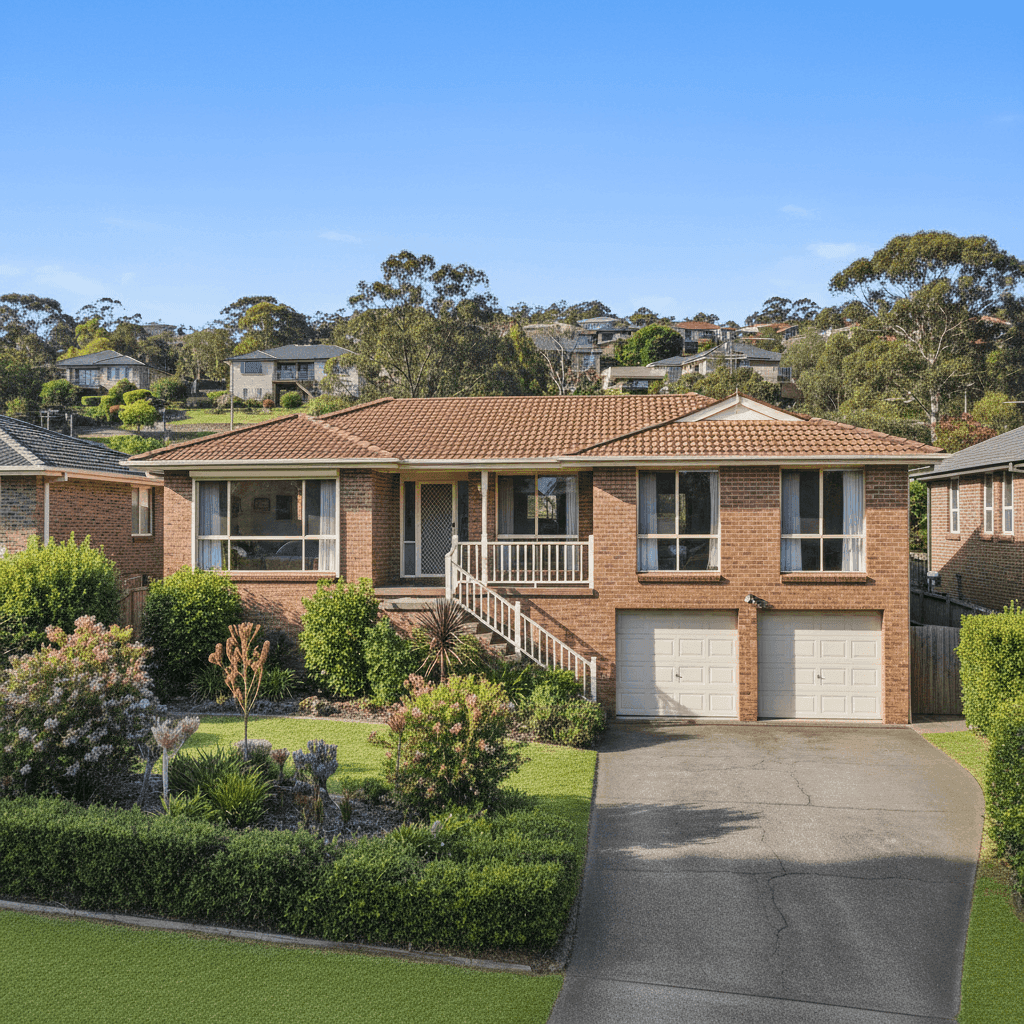
If you own a free standing home in Hornsby Heights, NSW 2077, you've likely noticed that home insurance premiums can vary wildly depending on who you ask. This article breaks down a real home and contents insurance quote for a four-bedroom property in the suburb, putting the numbers into context against local, state, and national benchmarks — so you can judge whether you're getting a fair deal.
---
Is This Quote Fair?
The quote in question comes in at $3,444 per year (or $330 per month) for combined home and contents cover, with a building sum insured of $850,000 and contents valued at $100,000. Both the building and contents excess are set at $5,000.
Based on CoverClub's pricing data, this quote is rated CHEAP — below the suburb average for Hornsby Heights. That's genuinely good news for the homeowner. In a market where premiums have been climbing steadily due to inflation, supply chain pressures on building costs, and increased weather-related claims, landing a quote below the local average is a result worth acknowledging.
The $5,000 excess is on the higher side, which will have contributed to keeping the premium down. It's a legitimate trade-off: you pay less each year, but you'll wear more of the cost if you ever need to make a claim. Whether that suits your financial situation is a personal call, but it's worth factoring in when comparing policies.
---
How Hornsby Heights Compares
To understand just how competitive this quote is, it helps to zoom out and look at the broader picture.
| Benchmark | Premium |
|---|---|
| This quote | $3,444/yr |
| Suburb average (Hornsby Heights) | $4,779/yr |
| Suburb median | $4,112/yr |
| Suburb 25th percentile | $3,529/yr |
| LGA average (Hornsby) | $3,958/yr |
| NSW average | $9,528/yr |
| NSW median | $3,770/yr |
| National average | $5,347/yr |
| National median | $2,764/yr |
At $3,444, this quote sits below the suburb's 25th percentile of $3,529 — meaning it's cheaper than at least 75% of comparable quotes in the area. It also undercuts the Hornsby Heights suburb average by more than $1,300 per year, which is a meaningful saving.
It's worth noting that the NSW state average of $9,528 looks startlingly high. This is largely a reflection of the diversity of properties across the state — from flood-prone river towns to bushfire-exposed rural areas — which drags the mean upward significantly. The NSW median of $3,770 is a more useful comparison for suburban Sydney homeowners, and even against that benchmark, this quote holds up well.
Compared to the national average of $5,347, the quote is also well below par, though the national median of $2,764 reminds us that plenty of lower-risk properties around Australia attract very modest premiums.
(Note: suburb comparisons are based on a sample of 11 quotes, so treat these figures as indicative rather than definitive.)
---
Property Features That Affect Your Premium
Several characteristics of this property will have influenced how insurers priced the risk.
Brick veneer construction is generally viewed favourably by insurers. While not as robust as full brick, brick veneer offers solid fire resistance and durability, and is far more common in Sydney's suburban housing stock than timber-framed homes. It typically attracts lower premiums than lightweight or weatherboard construction.
Tiled roof is another positive from an insurer's perspective. Tiles are durable, fire-resistant, and long-lasting when well maintained. They're less susceptible to ember attack than corrugated iron in some configurations, though they can crack under hail impact — something worth checking your policy covers.
Slab foundation is standard for homes of this era and construction type, and doesn't introduce the subsidence or termite-access risks sometimes associated with older suspended timber floors.
Built in 1997, the property is relatively modern — post the major building code reforms of the 1990s — which means it's likely to meet contemporary structural standards. Insurers generally price newer homes more favourably than pre-1970s stock.
Ducted climate control is worth noting as a contents or building inclusion. Ducted systems are expensive to repair or replace, and it's important to confirm with your insurer whether the system is covered under the building policy, the contents policy, or both.
At 214 sqm, this is a comfortably sized family home, and the $850,000 building sum insured reflects the cost of rebuilding — not the market value of the land. Getting this figure right is crucial: underinsuring can leave you significantly out of pocket after a major claim.
---
Tips for Homeowners in Hornsby Heights
1. Review your sum insured regularly Construction costs in greater Sydney have risen sharply in recent years. If you set your building sum insured a few years ago and haven't revisited it, there's a real chance you're underinsured. Use an independent building cost calculator or speak to a quantity surveyor to get an up-to-date estimate.
2. Understand what your excess means in practice A $5,000 excess is a legitimate way to reduce your annual premium, but make sure you have that amount readily accessible if you need to make a claim. If a $5,000 outlay would cause financial stress, consider whether a lower excess (and slightly higher premium) is a better fit.
3. Bushfire preparedness matters Hornsby Heights sits on the urban fringe and borders national park land, placing parts of the suburb in bushfire-prone territory. Insurers assess this risk carefully. Maintaining a defendable space around your property, clearing gutters, and installing ember guards on vents can all reduce risk — and may support your case for a better premium at renewal.
4. Compare at renewal, not just when you first buy Many homeowners set and forget their home insurance. Loyalty doesn't always pay — in fact, insurers often reserve their sharpest pricing for new customers. Make a habit of comparing quotes at each renewal to ensure you're not quietly drifting into an overpriced policy.
---
Ready to See What You Could Pay?
Whether you're a first-time buyer or a long-term Hornsby Heights resident, it pays to know where your premium sits relative to the market. CoverClub makes it easy to compare home and contents insurance quotes in one place — no jargon, no pressure, just clear pricing information to help you make a confident decision.