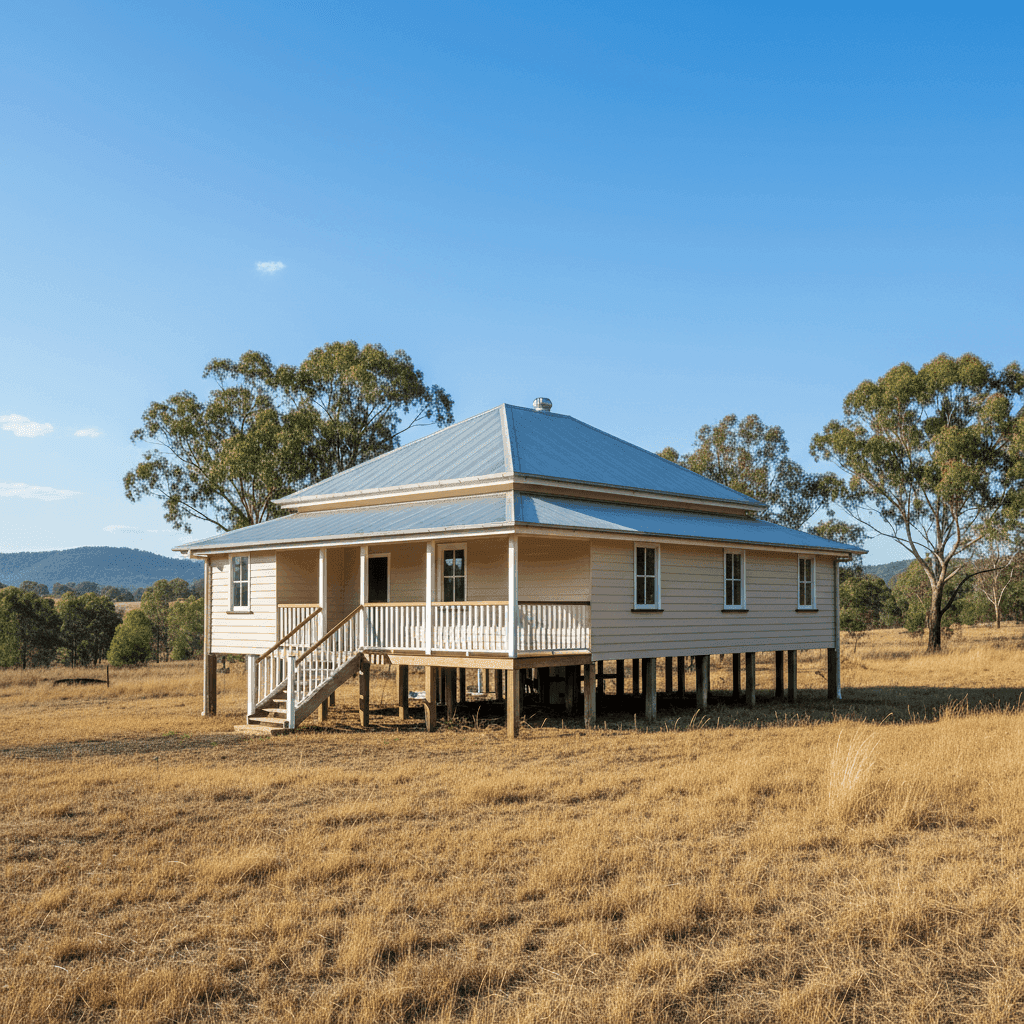
If you own a free standing home in Horse Camp, QLD 4671, you're likely curious about what a fair home insurance premium looks like — and whether the quote sitting in your inbox is actually competitive. This article breaks down a real building insurance quote for a two-bedroom weatherboard home in Horse Camp, benchmarks it against local, state, and national averages, and offers practical tips to help you make the most of your cover.
---
Is This Quote Fair?
The short answer: yes — this is a very competitive quote.
The annual premium for this property came in at $1,810 per year (or $178/month) for building-only cover with a $300,000 sum insured and a $1,000 excess. CoverClub rates this as CHEAP — below average — and when you stack it up against the broader market, it's easy to see why.
To put it in perspective:
- The QLD state average for home building insurance sits at $4,547/year, with a median of $3,931/year.
- The national average is $2,965/year, with a median of $2,716/year.
- The North Burnett LGA average is $3,254/year.
At $1,810/year, this quote comes in 60% below the Queensland state average and 39% below the national average. For a homeowner in regional Queensland — a state not exactly known for cheap insurance premiums — that's a genuinely impressive result.
It's worth noting that Queensland consistently records some of the highest home insurance premiums in Australia, largely driven by extreme weather risks across much of the state. Finding a quote this far below the state benchmark is notable and worth acting on.
---
How Horse Camp Compares
Horse Camp is a small rural locality in the North Burnett region of Queensland, situated inland and away from the coastline. This geographic positioning plays a meaningful role in keeping insurance costs lower than many other parts of the state.
While no suburb-level data is currently available for Horse Camp specifically, we can draw useful comparisons from the broader data:
| Benchmark | Annual Premium |
|---|---|
| This Quote | $1,810 |
| North Burnett LGA Average | $3,254 |
| QLD State Average | $4,547 |
| QLD State Median | $3,931 |
| National Average | $2,965 |
| National Median | $2,716 |
This property's premium is $1,444 cheaper per year than the North Burnett LGA average — a significant saving for a regional homeowner. Compared to the QLD state average, the annual saving is a remarkable $2,737.
Explore more data for your area on the Horse Camp suburb stats page or browse QLD-wide insurance trends.
---
Property Features That Affect Your Premium
Several characteristics of this particular property work together to produce a below-average premium. Understanding them can help you anticipate how your own home might be assessed.
Weatherboard Timber Walls
Weatherboard construction is one of the most common wall types found in older Queensland homes, and insurers generally price it with a moderate risk loading. Timber is more susceptible to fire and termite damage than brick veneer or full brick, which can push premiums slightly higher. However, in a low-risk area like Horse Camp, this factor is clearly outweighed by other positives.
Steel/Colorbond Roof
A Colorbond steel roof is generally viewed favourably by insurers. It's durable, resistant to corrosion, and performs well in high-wind conditions — all of which contribute to lower risk assessments compared to older roofing materials like fibrous cement sheeting or terracotta tiles.
Elevated on Stumps
The home is elevated on stumps by less than one metre. In Queensland, stump foundations are traditional and widespread, particularly in older homes built before the 1990s. This style of construction can offer some protection against minor flooding events, though it also introduces specific risks such as subfloor moisture and structural movement over time.
1980 Construction
Built in 1980, this home is over 40 years old. Older properties can attract slightly higher premiums due to ageing electrical wiring, plumbing, and roofing systems. That said, the premium here suggests the property's overall risk profile remains manageable.
No High-Risk Features
The absence of a swimming pool, solar panels, and ducted climate control simplifies the risk profile. These features, while common in many Queensland homes, can each add complexity — and cost — to a policy.
Not in a Cyclone Risk Zone
This is arguably the most significant factor keeping this premium low. Much of coastal and northern Queensland falls within designated cyclone risk zones, which can dramatically inflate premiums. Horse Camp's inland location means it sits outside these zones, providing a meaningful pricing advantage.
---
Tips for Homeowners in Horse Camp
1. Lock In Your Rate While Conditions Are Favourable
Insurance premiums across Australia have been rising steadily, and Queensland in particular has seen significant increases in recent years. If you're happy with your current quote, it may be worth securing a policy sooner rather than later — and reviewing annually to ensure you remain competitive.
2. Keep Your Sum Insured Accurate
A $300,000 sum insured for a 139 sqm home is worth revisiting periodically. Building costs in regional Queensland have increased substantially since the pandemic, and being underinsured can leave you significantly out of pocket after a major claim. Use a building cost calculator or speak to a local builder to validate your figure.
3. Maintain Your Stump Foundation
Homes on stumps require periodic inspection to check for rot, pest activity, and structural movement. Proactive maintenance not only protects the value of your home but can also support your insurer's assessment of the property as well-maintained — which matters at renewal time.
4. Compare Quotes Before Each Renewal
Even if your current premium is below average, that doesn't mean it's the best available. Insurers adjust their pricing models regularly, and the competitive landscape can shift. Use a comparison tool like CoverClub to benchmark your renewal quote each year.
---
Ready to Compare?
Whether you're reviewing your existing policy or shopping for cover for the first time, CoverClub makes it easy to see how your premium stacks up. Get a home insurance quote today and find out if you're paying a fair price — or if there's a better deal waiting for you.