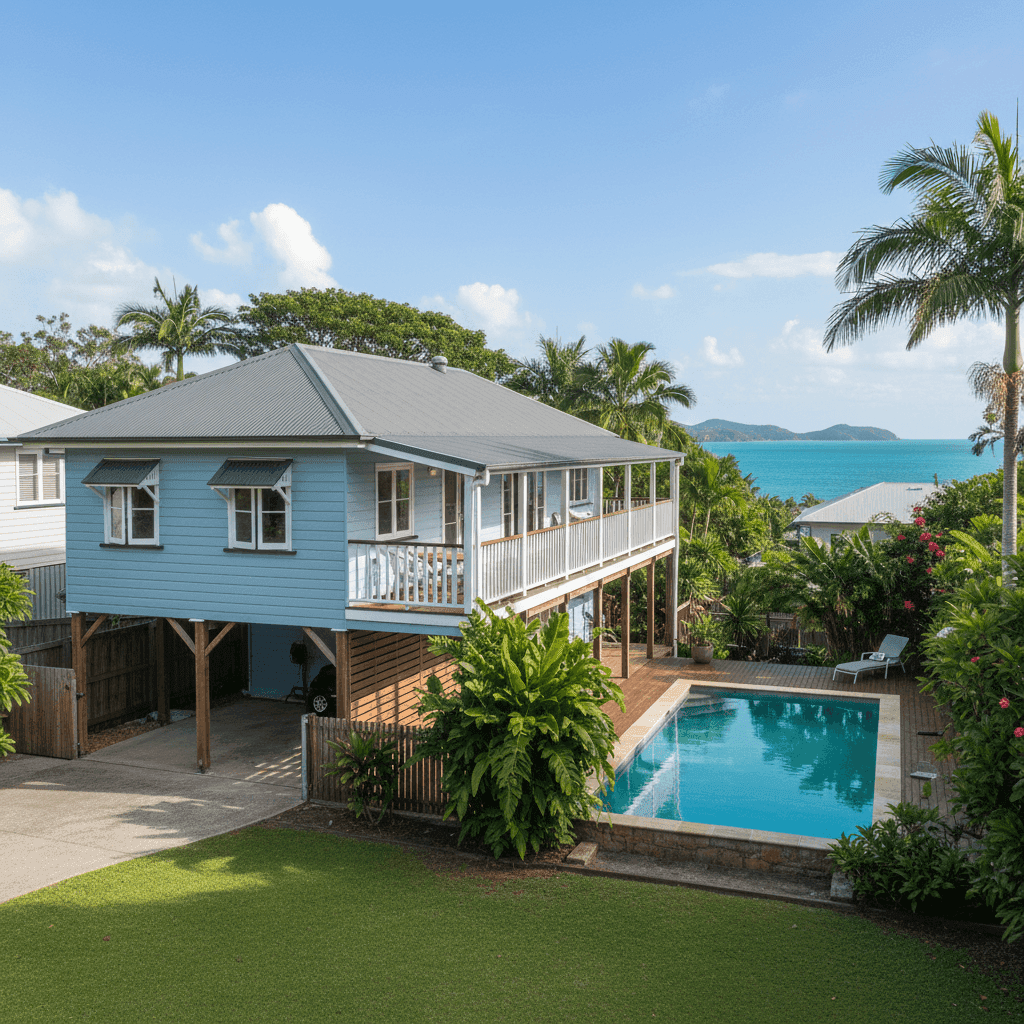
Horseshoe Bay is one of Magnetic Island's most relaxed and picturesque corners — a coastal enclave in North Queensland that attracts both permanent residents and holiday homeowners. But living in paradise comes with its own set of insurance considerations. If you own a free-standing home in Horseshoe Bay (postcode 4819), understanding what you should be paying for building cover is essential to making sure you're not leaving money on the table.
This article breaks down a real building-only insurance quote for a 3-bedroom, 1-bathroom free-standing home in Horseshoe Bay, compares it against local, state, and national benchmarks, and offers practical guidance for homeowners in the area.
---
Is This Quote Fair?
The quote in question comes in at $3,822 per year (or $366/month) for building-only cover with a sum insured of $350,000 and a building excess of $4,000. Based on our analysis, this quote is rated CHEAP — sitting below the suburb average.
To put that in perspective:
- The suburb average for Horseshoe Bay is $5,108/yr, and the median sits at $4,776/yr
- This quote lands below the 25th percentile of $3,949/yr — meaning it's cheaper than at least 75% of comparable quotes in the area
- Against the Queensland state average of $4,547/yr, this quote represents a saving of over $700 annually
In short, this is a genuinely competitive result. Homeowners receiving a quote in this range are doing well relative to their neighbours — though it's always worth shopping around to confirm you're getting the best deal available to you.
---
How Horseshoe Bay Compares
Home insurance costs in Horseshoe Bay are notably higher than both the state and national averages, which reflects the unique risk profile of island and coastal living in North Queensland. Here's how the numbers stack up:
| Benchmark | Premium |
|---|---|
| This Quote | $3,822/yr |
| Horseshoe Bay 25th Percentile | $3,949/yr |
| Horseshoe Bay Suburb Median | $4,776/yr |
| Horseshoe Bay Suburb Average | $5,108/yr |
| Horseshoe Bay 75th Percentile | $5,709/yr |
| QLD State Average | $4,547/yr |
| QLD State Median | $3,931/yr |
| National Average | $2,965/yr |
| National Median | $2,716/yr |
| Townsville LGA Average | $7,340/yr |
A few things stand out here. First, the Townsville LGA average of $7,340/yr is dramatically higher than the Horseshoe Bay suburb average — suggesting that parts of the broader Townsville region carry significantly elevated risk profiles, potentially dragging the LGA figure upward. Horseshoe Bay, despite its coastal and island location, appears to attract more moderate premiums within that LGA context.
Second, the gap between Horseshoe Bay's averages and the national median of $2,716/yr is substantial — nearly double. This is a reminder that Queensland coastal properties are priced very differently to, say, a home in suburban Melbourne or Adelaide. Factors like proximity to the coast, the age of housing stock, and the construction methods common to the region all play a role.
---
Property Features That Affect Your Premium
Several characteristics of this property directly influence the insurance premium — some in your favour, others less so.
Weatherboard Timber Walls
Weatherboard wood external walls are common in older Queensland homes, but they carry a higher fire and storm damage risk compared to brick or rendered masonry. Insurers typically apply a loading for timber-framed and timber-clad homes, which can push premiums up.
Steel/Colorbond Roof
On the positive side, a Colorbond steel roof is generally viewed favourably by insurers. It's durable, resistant to fire, and performs well in high-wind conditions — all of which can help moderate your premium compared to older roofing materials like tiles or corrugated iron in poor condition.
Elevated on Stumps
The home is elevated by at least one metre on stumps — a classic Queenslander design feature. Elevation is a genuine advantage in flood-prone or low-lying coastal areas, as it reduces the risk of inundation and water damage to the main living areas. This is likely contributing positively to the competitive quote received here.
Construction Year: 1970
Homes built in 1970 are now over 50 years old. Older properties can attract higher premiums due to ageing electrical systems, plumbing, and structural components that may be more susceptible to damage or failure. Keeping up with maintenance and having documentation of any upgrades can help manage this.
Swimming Pool
The property includes a pool, which adds a small amount to the insured risk — pools require their own structural cover and can be a source of liability considerations depending on your policy.
Timber/Laminate Flooring
Timber and laminate flooring can be more susceptible to water damage than tiles, which is worth keeping in mind when reviewing your policy's water damage inclusions and exclusions.
---
Tips for Homeowners in Horseshoe Bay
1. Review Your Sum Insured Regularly
A sum insured of $350,000 for a 3-bedroom home in Horseshoe Bay may be appropriate today, but building costs change. With construction costs rising across Queensland, it's worth reviewing your sum insured annually to ensure you wouldn't be underinsured in the event of a total loss. Use a building cost calculator or speak with a local builder to get a realistic rebuild estimate.
2. Consider Your Excess Carefully
This quote carries a $4,000 building excess — which is on the higher side. A higher excess typically lowers your annual premium, but it means you'll need to fund a significant portion of any claim yourself. Make sure you have that amount readily accessible, or consider whether a lower excess (and slightly higher premium) better suits your financial situation.
3. Maintain Your Weatherboard Exterior
Timber weatherboard walls require regular upkeep — repainting, sealing, and checking for rot or termite activity. Neglected maintenance can lead to claim disputes if damage is deemed to result from wear and tear rather than an insured event. A well-maintained exterior also signals lower risk to insurers at renewal time.
4. Shop Around at Renewal
Even if you're happy with your current quote, the insurance market changes. The fact that this quote sits below the suburb's 25th percentile is great — but that doesn't mean it will remain the most competitive option at your next renewal. Use a comparison platform like CoverClub to benchmark your renewal quote before accepting it.
---
Compare Your Own Quote
Whether you're a first-time buyer on Magnetic Island or a long-term Horseshoe Bay local, getting the right building cover at a fair price matters. CoverClub makes it easy to compare home insurance quotes and understand how your premium stacks up against your neighbours. Start comparing today at CoverClub — it takes just a few minutes and could save you hundreds each year.