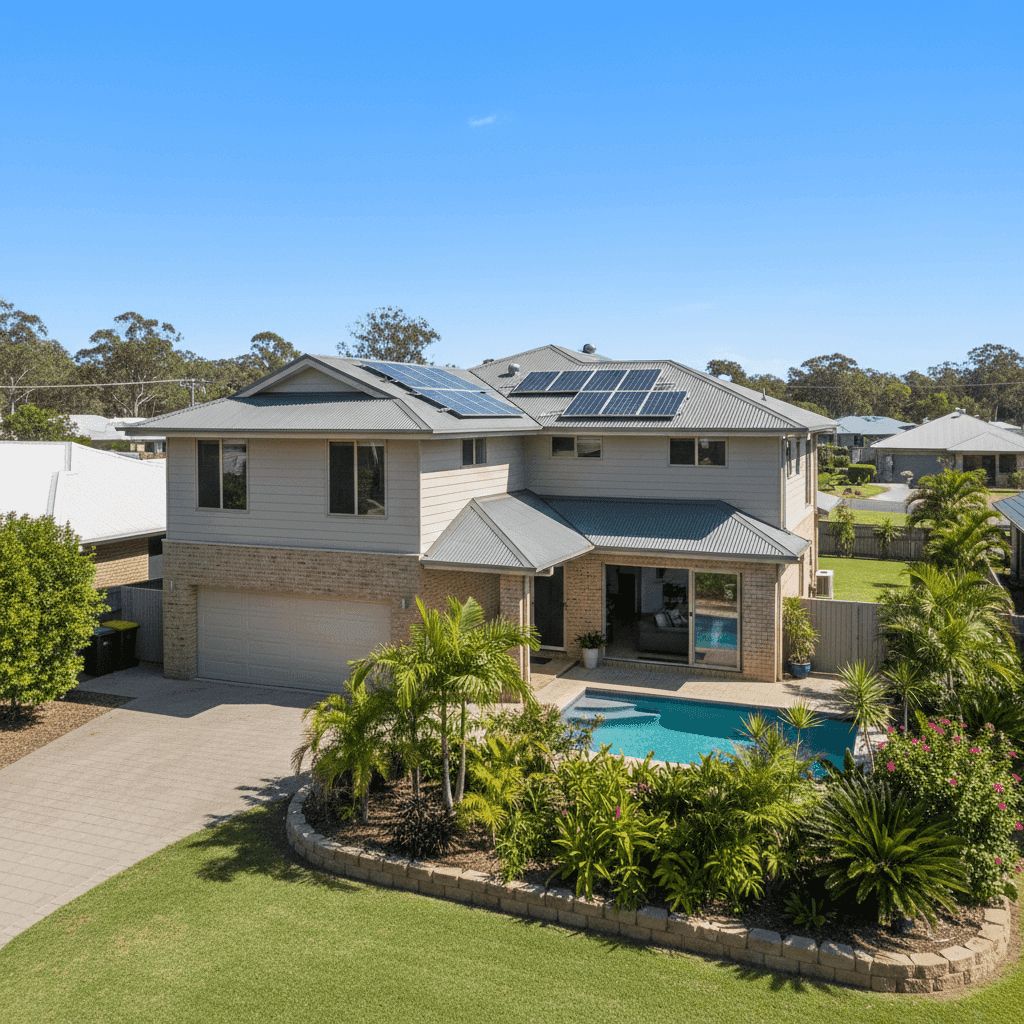
Howard Springs is a leafy, semi-rural suburb sitting on the outskirts of Darwin in the Northern Territory — a place known for its spacious blocks, tropical lifestyle, and the very real presence of cyclone season. For owners of a free standing home in this postcode, understanding what drives your insurance premium is just as important as having cover in the first place. This article breaks down a real building insurance quote for a four-bedroom, two-bathroom home in Howard Springs (NT 0835) and puts it in context against local, state, and national benchmarks.
---
Is This Quote Fair?
The short answer: yes — and then some. This quote comes in at $4,290 per year (or $404/month), and it has been rated CHEAP — meaning it sits well below the average for comparable properties in the area.
To put that in perspective, the suburb average for Howard Springs is $6,030 per year, and the median sits at $6,004. That means this quote is roughly $1,740 below the suburb average — a saving of nearly 29%. Even against the suburb's 25th percentile (the cheapest quarter of quotes) of $5,242, this premium still comes in lower, suggesting it represents genuinely strong value.
For a property with a sum insured of $1,365,000 — which reflects the full replacement cost of a 214 sqm double brick home with a pool and solar panels — a sub-$4,300 annual premium is a result worth paying attention to.
The building excess is set at $1,000, which is standard across most Australian home insurance policies and strikes a reasonable balance between keeping premiums manageable and not overexposing yourself in the event of a claim.
---
How Howard Springs Compares
Zooming out beyond the suburb reveals some interesting dynamics in NT home insurance pricing. You can explore the full data on the Howard Springs suburb stats page or browse the broader NT state overview.
| Benchmark | Annual Premium |
|---|---|
| This Quote | $4,290 |
| Suburb Average (Howard Springs) | $6,030 |
| Suburb Median | $6,004 |
| LGA Average (Litchfield) | $3,869 |
| NT State Average | $10,773 |
| NT State Median | $3,402 |
| National Average | $5,347 |
| National Median | $2,764 |
A few things stand out here. The NT state average of $10,773 is extraordinarily high — nearly double the national average — which reflects the elevated risk profile of the Territory overall, particularly in cyclone-prone areas closer to Darwin's CBD and coastal zones. However, the NT state median of $3,402 tells a different story: the average is being pulled up significantly by a relatively small number of very expensive policies, meaning most NT homeowners are actually paying closer to the median.
This quote at $4,290 sits above the NT median but well below the state average, and it also comes in below the national average of $5,347. For a cyclone-risk area, that's a genuinely competitive outcome. The Litchfield LGA average of $3,869 provides the most geographically relevant comparison — and this quote is only modestly above that figure, which is consistent with the "cheap" price rating.
---
Property Features That Affect Your Premium
Several characteristics of this property work in the homeowner's favour when it comes to insurance pricing, while others add complexity.
Double Brick Construction Double brick external walls are considered one of the most resilient building materials in Australia. Insurers generally view brick construction favourably because it offers superior resistance to wind damage, fire, and general wear — all highly relevant in the NT. This is likely one of the key factors keeping this premium competitive.
Steel/Colorbond Roof A Colorbond steel roof is another tick in the right column. It's lightweight, resistant to corrosion, and performs well in high-wind events. Compared to older tile or fibrous cement roofing, Colorbond is widely regarded as a low-maintenance, durable option that insurers price accordingly.
Slab Foundation & Tile Flooring A concrete slab foundation is standard for NT homes and is well-suited to the tropical climate. Combined with tile flooring throughout, this property has minimal exposure to moisture-related damage — a meaningful consideration in a region that experiences intense wet seasons.
Swimming Pool The presence of a pool adds a layer of liability and replacement cost to any home insurance policy. Pools need to be declared accurately to ensure the sum insured is adequate, and they can contribute to a slightly higher premium. That said, the impact here appears to have been absorbed well within the overall pricing.
Solar Panels Solar panels are increasingly common across Australia, and most insurers now include them under building cover — but it's worth confirming this explicitly with your insurer. Given the cost of a quality solar system, ensuring they're captured in your sum insured is important.
Cyclone Risk Area This is the elephant in the room for any NT homeowner. Howard Springs falls within a designated cyclone risk zone, and insurers price this risk into premiums. Policies in cyclone-prone areas typically include specific cyclone excess provisions (separate from the standard excess), so it's worth reading the Product Disclosure Statement carefully to understand what applies during a named cyclone event.
No Ducted Climate Control The absence of ducted air conditioning is a minor factor, but it does reduce the complexity and replacement cost of the property's mechanical systems — a small but positive influence on pricing.
---
Tips for Homeowners in Howard Springs
1. Review your sum insured annually Construction costs in the NT have risen sharply in recent years. A sum insured of $1,365,000 for a 214 sqm home reflects a build rate of approximately $6,380/sqm — which is on the higher end but may be justified given the remote location, double brick construction, and additional features like a pool and solar. Use a building cost calculator or speak to a local builder to validate this figure each year.
2. Understand your cyclone excess Many NT policies apply a separate, higher excess for cyclone-related claims — sometimes expressed as a percentage of the sum insured rather than a flat dollar amount. Before renewing, confirm exactly what your cyclone excess is and whether it's changed since you last checked.
3. Don't auto-renew without comparing This quote demonstrates that significant savings are available relative to the suburb average. If you're currently paying closer to the $6,000/year mark, it's worth shopping around. Get a fresh quote through CoverClub to see what's available for your specific property.
4. Check your pool and solar are correctly listed Both a swimming pool and solar panels need to be accurately declared on your policy. Underinsurance or omission of these items could result in a claim being reduced or disputed. Confirm with your insurer that both are explicitly covered under your building policy.
---
Compare Your Home Insurance Today
Whether you're a long-time Howard Springs resident or new to the area, making sure your home insurance is both adequate and competitively priced is one of the most valuable things you can do as a homeowner. CoverClub makes it easy to compare building insurance quotes from multiple insurers in minutes — so you can see exactly where your premium sits against the market. Start your free quote comparison at CoverClub and find out if you're getting the deal you deserve.