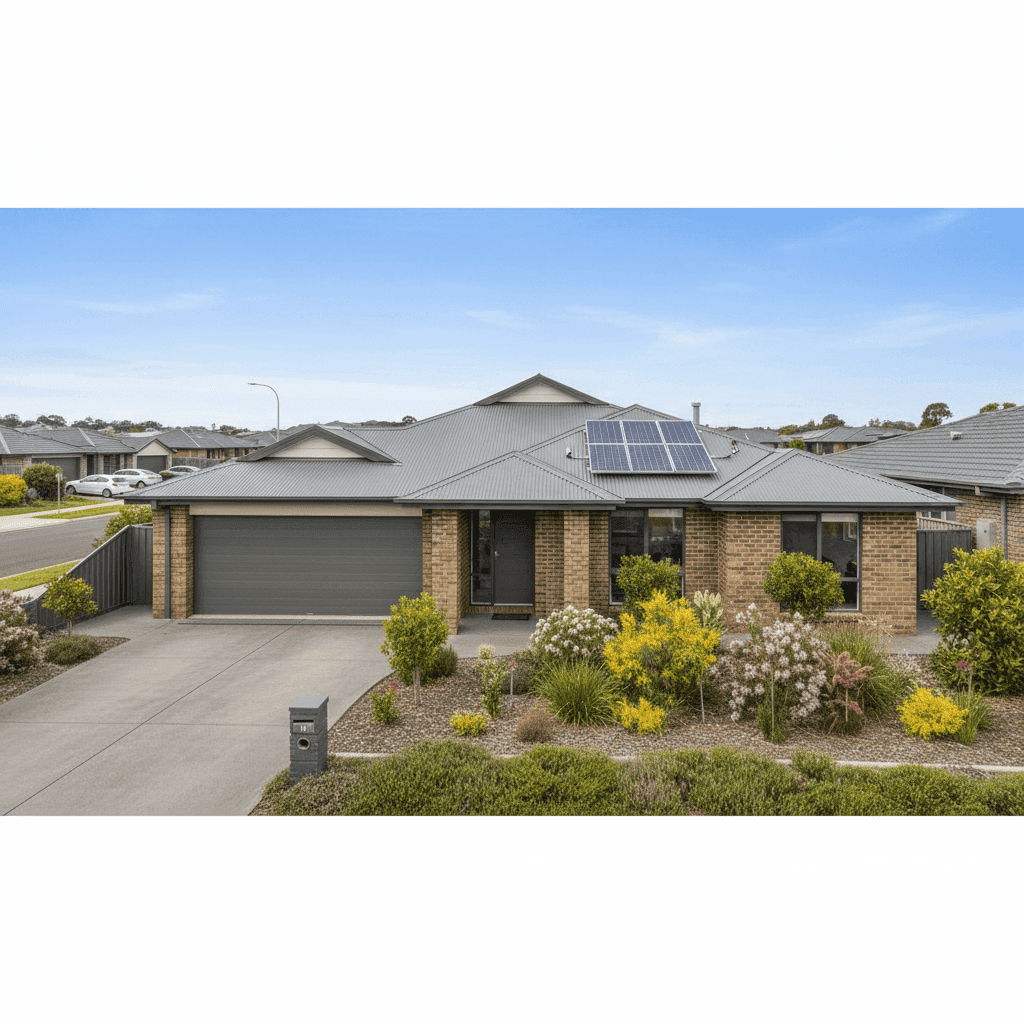
Howrah is a well-established residential suburb on the eastern shore of Hobart, known for its leafy streets, proximity to the Derwent River, and a strong mix of older and newer family homes. If you own a free standing home in this part of Tasmania, understanding what you should be paying for home and contents insurance — and why — can make a real difference to your household budget. This article breaks down a recent quote for a four-bedroom, two-bathroom brick veneer home in Howrah and puts the numbers into context.
---
Is This Quote Fair?
The quote in question comes in at $1,646 per year (or roughly $161 per month) for combined home and contents cover, with a building sum insured of $830,000 and contents valued at $50,000. Both the building and contents excess are set at $500.
Our price rating for this quote is FAIR — Around Average, which is a reasonable outcome for a property of this size and age. It's not the cheapest on the market, but it's certainly not an outlier either. For a 235 sqm home built in 1982 with standard fittings, this premium reflects a balanced risk profile — the property is established, solidly constructed, and located in a suburb that doesn't carry the elevated risk factors seen in some other parts of Australia.
That said, "fair" doesn't mean you can't do better. Depending on your insurer, your claims history, and the specific inclusions of your policy, there may be room to negotiate or shop around for a more competitive rate.
---
How Howrah Compares
To understand whether this quote represents good value, it helps to zoom out and look at the broader pricing landscape.
Within Howrah (postcode 7018), the data tells an interesting story:
| Benchmark | Premium |
|---|---|
| This quote | $1,646/yr |
| Suburb average | $1,804/yr |
| Suburb median | $1,533/yr |
| Suburb 25th percentile | $1,127/yr |
| Suburb 75th percentile | $2,455/yr |
Based on 30 quotes collected for Howrah, this premium sits between the suburb median and the suburb average — squarely in the middle of the pack. Around half of Howrah homeowners are paying less, and a meaningful portion are paying significantly more, particularly those with higher sums insured or more complex properties.
When you compare against the broader Tasmanian average of $2,814 per year, this quote looks quite attractive. The state median sits at $2,326/yr, meaning this Howrah homeowner is paying roughly 29% less than the typical Tasmanian — a notable saving. The Clarence LGA average (which encompasses Howrah) is $2,049/yr, so this quote also comes in well below the local government area benchmark.
Zooming out further, the national average premium is $5,347/yr, with a national median of $2,764/yr. The dramatic difference between Tasmania and the national average is largely driven by high-risk regions in Queensland and Western Australia, where cyclone exposure and flood risk push premiums significantly higher. Howrah's relatively benign risk environment is a genuine financial advantage for homeowners here.
---
Property Features That Affect Your Premium
Several characteristics of this particular property play a role in shaping the premium:
Brick Veneer Construction Brick veneer is one of the most common external wall types in Australian suburban homes and is generally viewed favourably by insurers. It offers good fire resistance and structural durability, which can contribute to a more competitive premium compared to timber-framed or weatherboard homes.
Steel/Colorbond Roof A Colorbond steel roof is a strong positive from an insurance perspective. It's highly durable, resistant to fire and extreme weather, and less prone to the cracking or lifting issues that can affect older tile roofs. This is particularly relevant in Tasmania, where heavy rain and wind events are not uncommon.
Slab Foundation A concrete slab foundation is generally considered low-risk by insurers. Unlike homes on stumps or piers, slab homes have fewer potential failure points and are less susceptible to subsidence or pest-related structural damage.
Construction Year: 1982 At over 40 years old, this home is considered established. Older homes can sometimes attract slightly higher premiums due to ageing electrical wiring, plumbing, or roofing materials — however, a Colorbond roof suggests the property has likely been updated at some point, which mitigates some of that concern.
Solar Panels The presence of solar panels adds a modest layer of complexity to the insurance picture. Panels represent an additional asset on the roof and can be damaged by hail, storms, or falling debris. It's important to confirm with your insurer that solar panels are explicitly covered under your building policy, as coverage can vary between providers.
No Pool, No Ducted Climate Control, Not in a Cyclone Risk Zone The absence of a pool removes a common liability risk from the equation. No ducted climate control means one less major system to insure for breakdown or damage. And being outside a designated cyclone risk zone means this property avoids one of the biggest premium drivers in northern Australia.
---
Tips for Homeowners in Howrah
1. Confirm Your Solar Panels Are Covered Not all home insurance policies automatically include solar panel systems in the building sum insured. Check your Product Disclosure Statement (PDS) carefully, and if in doubt, contact your insurer directly to confirm the panels and inverter are covered for storm damage, hail, and accidental breakage.
2. Review Your Building Sum Insured Annually Construction costs in Tasmania have risen considerably in recent years. The $830,000 sum insured in this quote may be appropriate today, but it's worth reassessing each renewal using a building cost calculator to ensure you're not underinsured. Underinsurance is one of the most common — and costly — mistakes homeowners make.
3. Consider Increasing Your Excess to Lower Your Premium With both the building and contents excess set at $500, there may be an opportunity to reduce your annual premium by opting for a higher voluntary excess. If you have an emergency fund and are unlikely to make small claims, a $1,000 or $2,000 excess could meaningfully reduce your yearly cost.
4. Shop Around at Each Renewal Insurers regularly adjust their pricing models, and loyalty doesn't always pay. Even if your current premium seems reasonable, it's worth comparing quotes from multiple providers each year. The spread of premiums in Howrah — from $1,127/yr at the 25th percentile to $2,455/yr at the 75th — shows just how much prices can vary for similar properties.
---
Find a Better Deal with CoverClub
Whether you're renewing your existing policy or insuring a new property, comparing quotes is the single most effective way to ensure you're not overpaying. CoverClub makes it easy to see what Howrah homeowners are actually paying and to get quotes tailored to your specific property. Start comparing home insurance quotes today and make sure your cover is working as hard as you are.