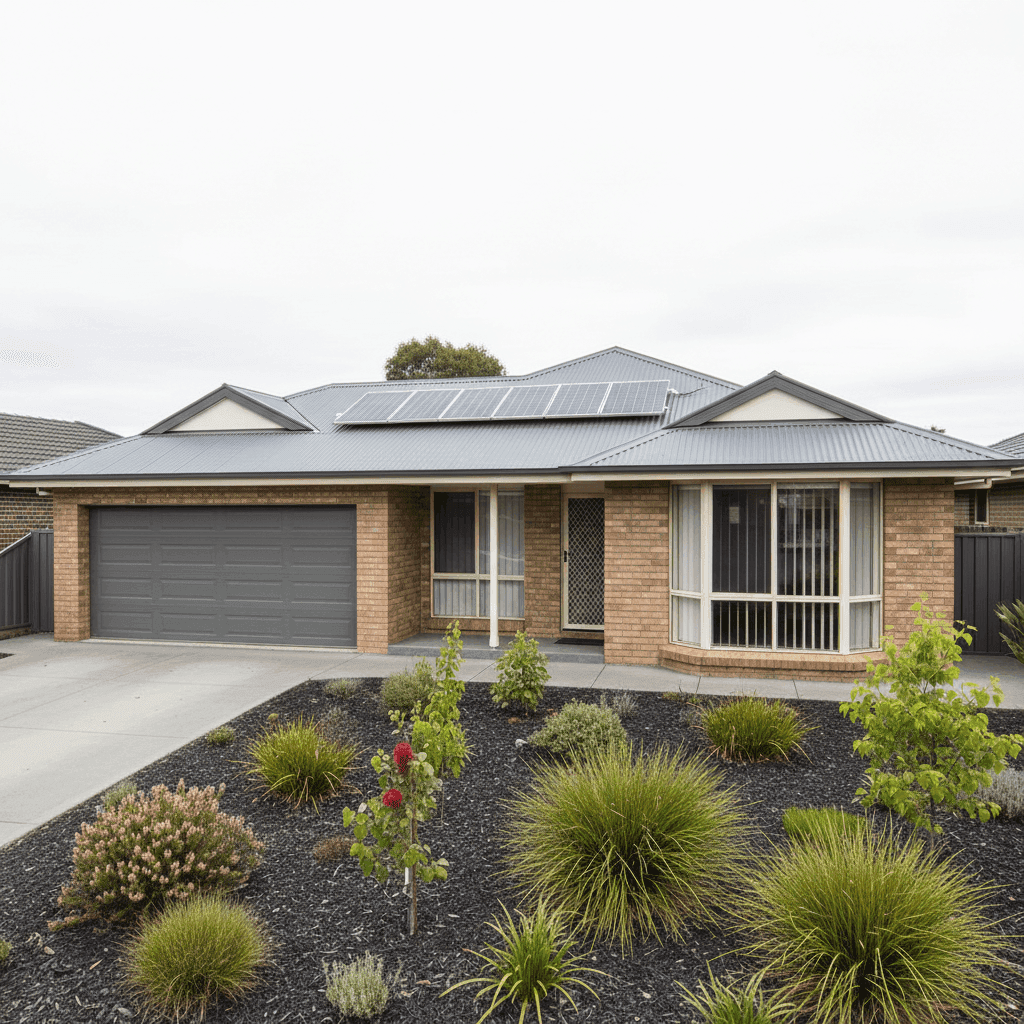
If you own a free standing home in Howrah, TAS 7018, you've probably wondered whether you're paying a fair price for your home insurance — or leaving money on the table. Howrah is a well-established residential suburb on the eastern shore of Hobart, known for its mix of older brick homes, leafy streets, and easy access to the Derwent River. It's a desirable place to live, but like any suburb, insurance premiums can vary significantly depending on your property's characteristics and the insurer you choose.
This article breaks down a real home and contents insurance quote for a four-bedroom, two-bathroom free standing home in Howrah — and puts it in context against suburb, state, and national benchmarks.
---
Is This Quote Fair?
The quote in question comes in at $1,243 per year (or $122/month) for combined home and contents cover, with a building sum insured of $830,000 and contents valued at $50,000. Both the building and contents excesses are set at $5,000.
Our price rating for this quote is FAIR — Around Average.
What does that mean in practice? It means the premium sits in a reasonable range relative to what other Howrah homeowners are paying, but it's not the cheapest option available in the suburb. The 25th percentile for Howrah premiums is $1,127/year, meaning roughly a quarter of comparable quotes come in below that mark. So while this quote isn't a bargain, it's also well clear of the upper end of the local market — the 75th percentile sits at $2,455/year, nearly double this figure.
The $5,000 excess on both building and contents is worth noting. Higher excesses are one of the most direct levers for reducing your annual premium. If you're comfortable absorbing a larger out-of-pocket cost in the event of a claim, this kind of excess structure can make sense — but it's important to ensure you could genuinely cover that amount if something went wrong.
---
How Howrah Compares
To understand whether this quote is competitive, it helps to zoom out and look at the broader picture. Based on data from CoverClub's Howrah suburb stats, the local averages tell an interesting story:
| Benchmark | Premium |
|---|---|
| This quote | $1,243/yr |
| Howrah suburb average | $1,804/yr |
| Howrah suburb median | $1,533/yr |
| Howrah 25th percentile | $1,127/yr |
| Howrah 75th percentile | $2,455/yr |
| TAS state average | $2,814/yr |
| TAS state median | $2,326/yr |
| Clarence LGA average | $2,049/yr |
| National average | $5,347/yr |
| National median | $2,764/yr |
This quote comes in 31% below the Howrah suburb average and 19% below the suburb median — a meaningful saving. It also sits well below both the Tasmanian state average of $2,814/year and the national average of $5,347/year.
Tasmania, and Hobart's eastern suburbs in particular, tend to attract more competitive premiums than many other parts of Australia. The state is not classified as a cyclone risk zone, bushfire risk in established suburban areas like Howrah is generally moderate, and flood risk in this part of the eastern shore is relatively contained. All of these factors contribute to Tasmania's lower-than-national-average premiums.
The Clarence LGA average of $2,049/year provides useful local context — this quote beats that figure by around $800/year, suggesting the specific property characteristics here are working in the homeowner's favour.
---
Property Features That Affect Your Premium
Several features of this property have a direct bearing on how insurers price the risk:
Brick Veneer Walls Brick veneer is generally viewed favourably by insurers. It offers solid fire resistance and structural durability compared to weatherboard or lightweight cladding, which can translate to lower premiums. It's one of the most common wall types in Hobart's eastern suburbs, so insurers have plenty of actuarial data to price it accurately.
Steel/Colorbond Roof Colorbond steel roofing is another tick in the "lower risk" column. It's highly durable, resistant to fire and strong winds, and requires less maintenance than older tile or corrugated iron roofs. Insurers tend to price Colorbond roofs competitively.
Slab Foundation A concrete slab foundation is generally considered low-risk from an insurance perspective — there's no subfloor space to harbour moisture, pests, or structural movement in the way that older pier-and-beam foundations can.
Solar Panels The presence of solar panels is worth flagging. Some insurers include solar panels under the building sum insured automatically, while others require them to be specifically listed. It's worth confirming with your insurer that your panels — and any battery storage if applicable — are covered for accidental damage, storm damage, and theft.
Construction Year: 1982 At over 40 years old, this home falls into a category that some insurers treat with caution. Older properties can carry higher risk of ageing wiring, plumbing, or roofing — though a well-maintained 1980s brick veneer home is typically still a solid risk. Keeping maintenance records can help if you ever need to make a claim.
Building Size: 235 sqm At 235 square metres, this is a reasonably sized family home. The $830,000 building sum insured works out to roughly $3,532/sqm — a figure that's broadly in line with current Hobart rebuild cost estimates, which is important. Being underinsured on rebuilding costs is one of the most common and costly mistakes homeowners make.
---
Tips for Homeowners in Howrah
1. Review your building sum insured annually Construction costs in Tasmania have risen significantly in recent years. The sum insured should reflect the full cost of rebuilding your home from scratch — including demolition, professional fees, and current labour and materials costs. Don't simply roll over last year's figure without checking it against current estimates.
2. Confirm solar panel coverage explicitly With solar panels installed, speak directly with your insurer to confirm exactly what's covered and under what circumstances. Ask whether panels are included in the building sum insured or need to be listed separately, and whether damage during installation or maintenance is covered.
3. Consider whether a $5,000 excess is right for you A high excess reduces your premium but increases your financial exposure at claim time. Think about whether you could comfortably cover $5,000 out of pocket following a storm, fire, or break-in. If that would be a stretch, it may be worth adjusting the excess upward or downward and comparing the premium impact.
4. Shop the market every year Loyalty doesn't always pay in home insurance. Insurers frequently offer better rates to new customers than to existing ones. Running a fresh comparison at renewal time — even if you end up staying with the same provider — ensures you're not quietly drifting into an overpriced policy.
---
Compare Your Own Quote
Whether you're renewing your existing policy or shopping for the first time, it pays to see what the market looks like before you commit. CoverClub makes it easy to compare home and contents insurance quotes for properties across Tasmania and the rest of Australia.