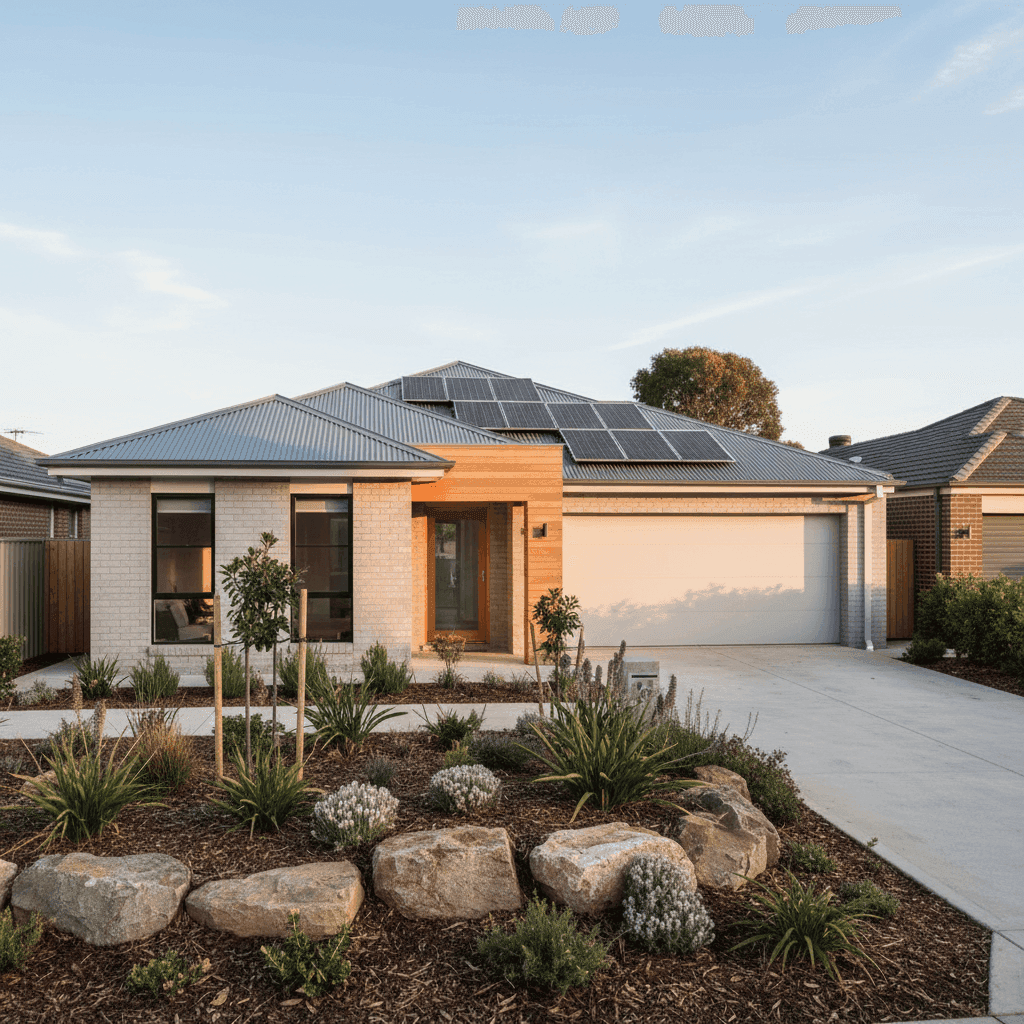
Hyde Park is one of Adelaide's most sought-after inner southern suburbs — a leafy, established neighbourhood that blends character charm with modern living. For owners of a contemporary free standing home in this pocket of postcode 5061, understanding what drives your home insurance premium is just as important as choosing the right policy. In this article, we break down a real home and contents insurance quote for a four-bedroom, three-bathroom property in Hyde Park, and put the numbers in context so you can make an informed decision.
---
Is This Quote Fair?
The annual premium for this property came in at $1,623 per year (or around $167 per month), covering a building sum insured of $1,402,000 and contents valued at $195,000. Our pricing analysis rates this quote as Fair — Around Average.
That rating reflects where this premium sits relative to comparable properties in the area. At $1,623, it's comfortably below the suburb average of $1,800 and the suburb median of $1,730, which is a solid result. It does sit above the 25th percentile of $1,519, meaning roughly a quarter of similar Hyde Park properties are quoted less — but equally, around three quarters are quoted more. In practical terms, this is a competitive quote without being an outlier in either direction.
The building excess is set at $3,000 and the contents excess at $1,000. A higher building excess is a common lever used to reduce premiums on higher-value properties, so it's worth weighing up whether that trade-off suits your financial situation before settling on a policy.
---
How Hyde Park Compares
To appreciate how well this quote stacks up, it helps to zoom out and look at the broader pricing landscape. Based on data from Hyde Park suburb insurance statistics, the local picture looks like this:
| Benchmark | Premium |
|---|---|
| This quote | $1,623/yr |
| Hyde Park suburb average | $1,800/yr |
| Hyde Park suburb median | $1,730/yr |
| Hyde Park 25th percentile | $1,519/yr |
| Hyde Park 75th percentile | $2,021/yr |
| LGA (Unley) average | $1,945/yr |
Stepping up to the state level, the picture shifts. According to South Australia home insurance statistics, the SA state average sits at $2,433 per year, though the median is considerably lower at $1,679 — a gap that suggests a small number of high-risk or high-value properties are pulling the average upward. This quote comes in below both figures, which is a good sign.
At a national level, the contrast is even more striking. National home insurance data shows an average premium of $5,347 per year and a median of $2,764. Much of that national average is inflated by cyclone-prone regions in Queensland and northern Western Australia, where premiums can be extraordinarily high. For a property in metropolitan Adelaide — well outside any cyclone risk zone — a premium in the low-to-mid $1,000s is entirely reasonable.
The takeaway: this quote is tracking below local and state averages, and is well below the national benchmark. For a property of this size and value, that's a result worth noting.
---
Property Features That Affect Your Premium
Several characteristics of this property play a direct role in shaping the premium:
Brick Veneer Walls & Colorbond Roof Brick veneer is one of the most common — and insurer-friendly — construction types in Australia. It offers solid fire resistance and structural durability. Paired with a steel Colorbond roof, which is lightweight, corrosion-resistant, and performs well in high-wind events, this combination is generally viewed favourably by underwriters. Both materials are relatively straightforward to repair or replace, which helps keep rebuild cost estimates predictable.
Slab Foundation A concrete slab foundation is a low-maintenance option that carries minimal subsidence or moisture risk compared to older pier-and-beam or timber subfloor constructions. This reduces the likelihood of costly structural claims, which can positively influence pricing.
Construction Year: 2018 A relatively recent build means this home was constructed under modern Australian building codes, including updated energy efficiency and structural standards. Newer homes tend to attract more competitive premiums because the risk of age-related defects, outdated wiring, or plumbing failures is significantly lower.
Above-Average Fittings Quality With above-average fittings, the cost to repair or replace internal fixtures — think kitchen benchtops, tapware, cabinetry, and bathroom tiling — is higher than a standard home. This is reflected in the sum insured and, to some extent, the premium. It's important that your sum insured accurately captures this to avoid being underinsured in the event of a major claim.
Solar Panels & Ducted Climate Control Solar panels add value to the property but also introduce a specific insurable risk — damage from storms, hail, or electrical faults. Make sure your policy explicitly covers solar panels as part of the building sum insured. Similarly, a ducted climate control system is a significant fixed asset; confirm it's captured within your building cover, not just contents.
Tile Flooring Tiles are durable and relatively inexpensive to replace compared to hardwood or engineered timber floors, which can subtly benefit your contents and internal fittings valuation.
---
Tips for Homeowners in Hyde Park
1. Review your sum insured annually With a building sum insured of $1,402,000, it's essential to keep this figure current. Construction costs in South Australia have risen significantly in recent years. Use a building cost calculator each year at renewal to ensure you're not underinsured — the consequences of getting this wrong at claim time can be severe.
2. Confirm solar panels are covered Not all policies automatically include solar panel systems in building cover. Check your Product Disclosure Statement (PDS) carefully, and ask your insurer whether panels are covered for accidental damage, storm damage, and electrical breakdown.
3. Consider your excess trade-off The $3,000 building excess on this policy is on the higher side. If you're comfortable self-funding smaller claims up to that threshold, this is a reasonable way to keep premiums down. However, if a mid-range claim — say, storm damage to the roof — would put pressure on your finances, it may be worth comparing quotes with a lower excess to see how much the premium difference actually is.
4. Bundle thoughtfully, but compare separately Home and contents cover is bundled here, which is convenient and often cost-effective. That said, it's worth getting separate quotes occasionally to ensure the bundle is genuinely competitive. Some insurers offer stronger pricing on one component over the other.
---
Compare Your Quote at CoverClub
Whether you're renewing an existing policy or shopping around for the first time, CoverClub makes it easy to see how your premium stacks up. Our suburb-level data gives you real context — not just a generic comparison. Get a home insurance quote today and find out if you're paying a fair price for your Hyde Park home.