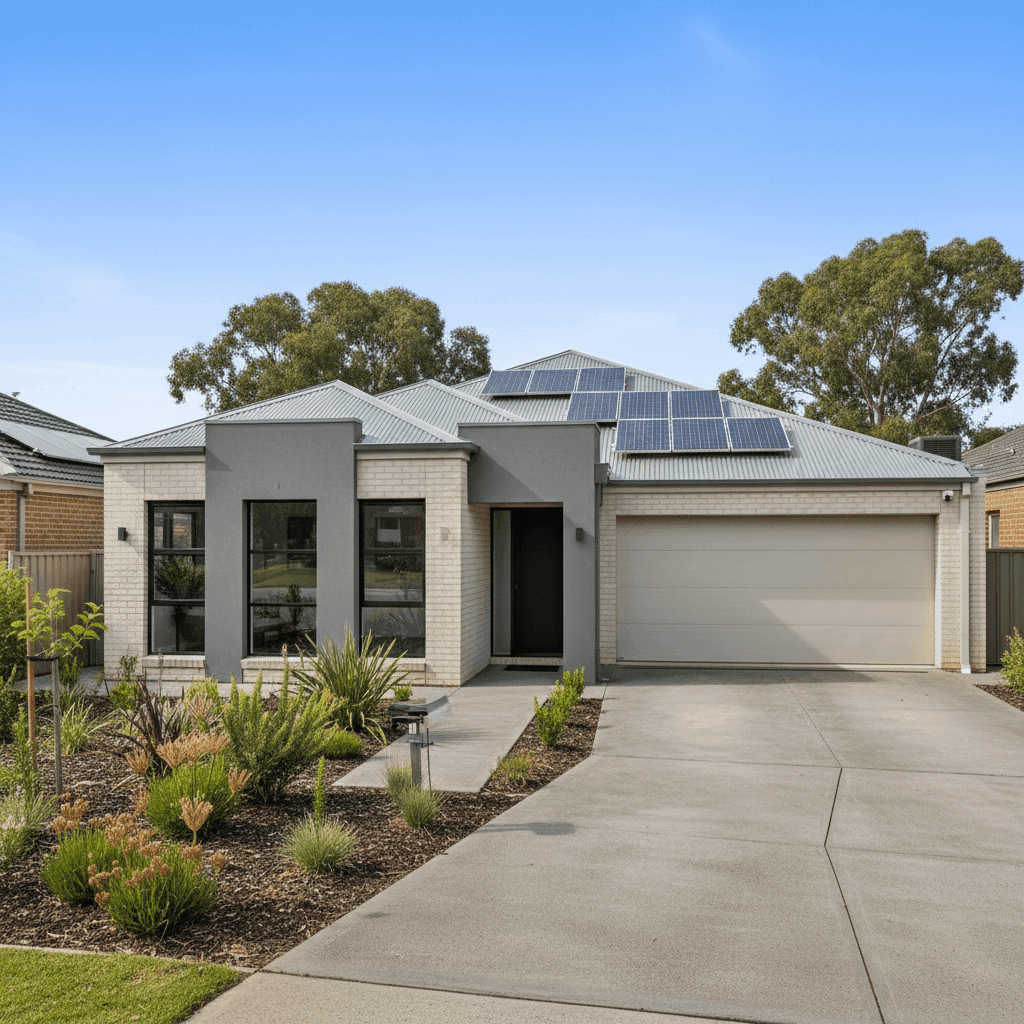
Nestled within one of Adelaide's most sought-after inner southern suburbs, Hyde Park (SA 5061) is home to a mix of character properties and newer builds. This article examines a real home insurance quote for a four-bedroom, three-bathroom free-standing home in the area — and breaks down exactly what the numbers mean for homeowners looking to get the best value on their cover.
---
Is This Quote Fair?
The short answer: yes — and then some. At $1,527 per year (or roughly $153 per month), this Home and Contents quote has been rated CHEAP, meaning it sits well below the average for the area. For a property insured at $1,402,000 for the building and $193,000 for contents, that's a competitive outcome by any measure.
To put it in perspective, the suburb average for Hyde Park sits at $1,758 per year, meaning this quote comes in around $231 cheaper annually than what most comparable properties in the postcode are paying. The suburb median is $1,694, so even against the middle of the market, this quote represents genuine savings.
It's worth noting that the sample size for Hyde Park (5061) currently sits at five quotes, so the local data is still growing — but the directional signal is clear. View the latest Hyde Park suburb stats →
---
How Hyde Park Compares
Zooming out beyond the suburb paints an even more compelling picture.
| Benchmark | Annual Premium |
|---|---|
| This Quote | $1,527 |
| Hyde Park Suburb Average | $1,758 |
| Hyde Park Suburb Median | $1,694 |
| SA State Average | $1,933 |
| SA State Median | $1,787 |
| LGA (Unley) Average | $1,945 |
| National Average | $2,965 |
| National Median | $2,716 |
Against the South Australian state average of $1,933, this quote is approximately $406 cheaper per year. Compared to the LGA average for Unley ($1,945), the saving is even more pronounced at around $418 annually.
Most strikingly, the national average sits at $2,965 — nearly double this quote. Much of that gap is driven by high-risk regions in Queensland and Western Australia where cyclone, flood, and storm exposure push premiums significantly higher. South Australia, and Adelaide's inner suburbs in particular, tend to benefit from a comparatively benign risk profile. Explore SA insurance benchmarks → | See national averages →
---
Property Features That Affect Your Premium
Several characteristics of this particular property work in the homeowner's favour from an underwriting perspective.
Brick Veneer Construction Brick veneer is one of the more favoured wall materials among insurers. It offers solid fire resistance and structural integrity, which typically translates to lower risk assessments compared to timber-framed or clad exteriors.
Steel / Colorbond Roof A Colorbond steel roof is considered low-maintenance and highly durable. It resists ember attack better than some older materials and is less susceptible to storm damage, both of which are factors insurers weigh when pricing a policy.
Concrete Slab Foundation Slab foundations are generally viewed as stable and low-risk, particularly in areas without significant soil movement issues. This contributes to a more favourable risk profile compared to older pier-and-beam or timber subfloor constructions.
Built in 2018 A relatively modern build means the property is likely compliant with contemporary building codes, including updated electrical and plumbing standards. Newer homes tend to attract lower premiums because they carry less risk of hidden defects or ageing infrastructure failures.
Solar Panels It's worth flagging that the property has rooftop solar panels. While these don't necessarily increase your premium significantly, it's important to ensure your policy explicitly covers solar panel damage — whether from storm, hail, or fire. Some policies include them under building cover automatically; others may require a specific endorsement. Always confirm this with your insurer.
Above-Average Fittings The above-average fittings quality is reflected in the $1,402,000 sum insured. High-spec kitchens, bathrooms, and finishes cost more to repair or replace, and the building sum insured should account for this. Underinsurance is a genuine risk when fittings are premium-grade, so it's reassuring to see a sum insured that appears to reflect the true replacement cost.
Ducted Climate Control Ducted systems are a meaningful asset to insure — they're expensive to repair or replace, and contents or building policies should account for them. Ensure your policy is clear on whether the ducted system falls under building or contents cover, as this varies between insurers.
No Pool, No Cyclone Risk The absence of a pool removes a common source of liability and maintenance-related claims. And being outside a designated cyclone risk zone means the property avoids the significant premium loadings that affect homes in northern and coastal parts of Australia.
---
Tips for Homeowners in Hyde Park
1. Review Your Building Sum Insured Annually Construction costs have risen considerably in recent years. A sum insured that was accurate when you first took out your policy may no longer reflect the true cost of rebuilding. Many insurers offer an inflation-linked adjustment, but it's still worth checking against a current building cost estimate — especially for a home with above-average fittings.
2. Confirm Solar Panel Coverage As mentioned above, don't assume your solar panels are covered. Ask your insurer directly whether they're included under building cover, and whether accidental damage, storm damage, and power surge are all included scenarios.
3. Don't Over-Insure Contents — But Don't Under-Insure Either At $193,000, the contents value here appears reasonable for a well-appointed four-bedroom home. Take time to do a proper contents inventory every couple of years. Overestimating wastes money on premium; underestimating leaves you exposed at claim time.
4. Compare Before You Renew One of the most common mistakes Australian homeowners make is auto-renewing without checking the market. Premiums can shift significantly from year to year, and loyalty rarely pays in insurance. Use a comparison tool to benchmark your renewal quote before you accept it.
---
Ready to Compare Your Own Quote?
Whether you're a Hyde Park local or anywhere else in Australia, CoverClub makes it easy to see how your home insurance quote stacks up against real market data. Get a quote and compare today →