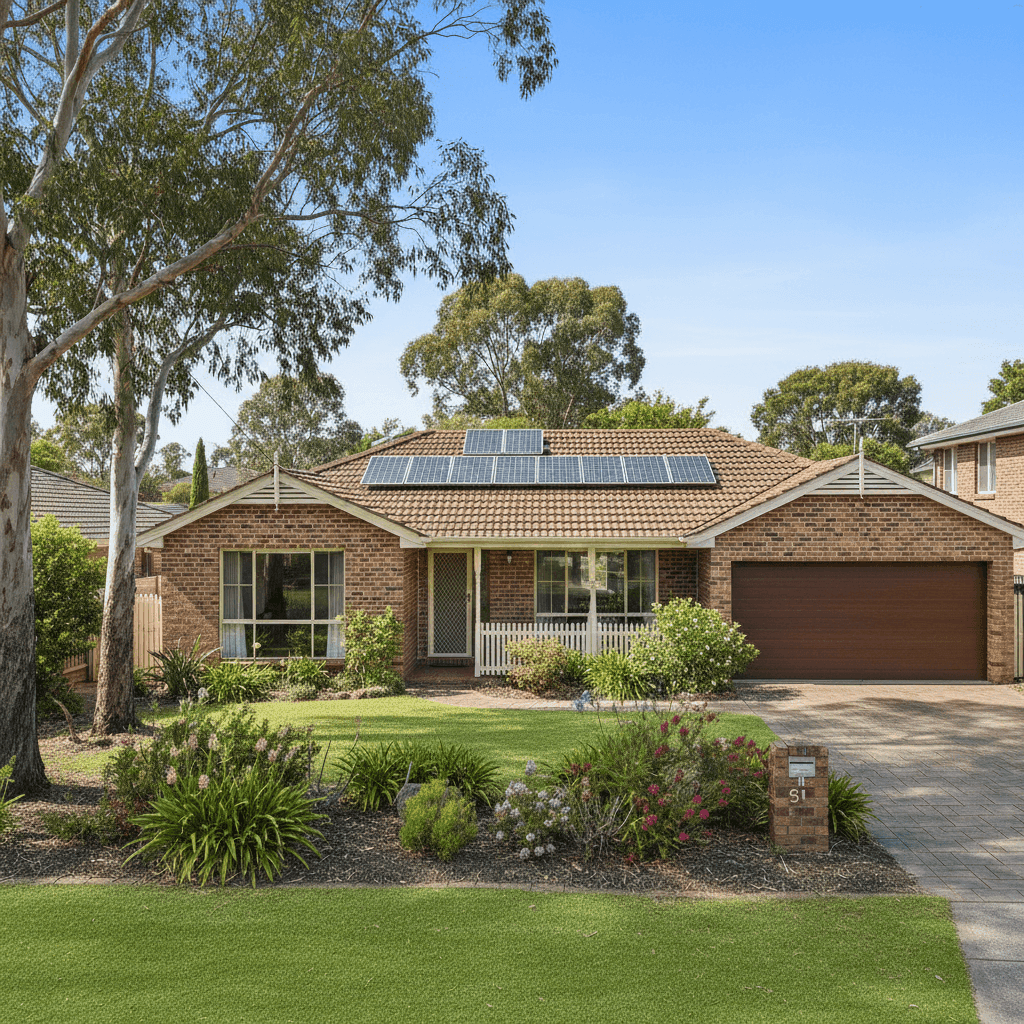
Illawong is a leafy, family-friendly suburb tucked into the Sutherland Shire in southern Sydney, known for its bushland surrounds, quiet streets, and well-established homes. If you own a free standing home here, understanding what you should be paying for home and contents insurance — and why — can save you hundreds of dollars a year. This article breaks down a real quote for a five-bedroom, double brick home in Illawong and puts it in context against suburb, state, and national benchmarks.
---
Is This Quote Fair?
The quote in question comes in at $2,674 per year (or $261/month) for combined home and contents cover, with a building sum insured of $793,000 and contents valued at $50,000. Both the building and contents excess are set at $1,000.
Our pricing engine rates this quote as CHEAP — below average for the area. That's a meaningful finding. In a suburb where the average premium sits at $3,723 per year and the median is $3,579, this quote lands well below both benchmarks. It even sits below the 25th percentile of $2,768, meaning it's cheaper than at least 75% of comparable quotes collected in the area.
Put simply: if you received this quote, you're doing better than most of your neighbours. That said, "cheap" doesn't always mean the best policy — it's worth ensuring the cover limits, inclusions, and exclusions suit your specific needs before signing on the dotted line.
---
How Illawong Compares
To appreciate how competitive this quote is, it helps to zoom out and look at the broader pricing landscape.
| Benchmark | Premium |
|---|---|
| This quote | $2,674/yr |
| Illawong suburb average | $3,723/yr |
| Illawong suburb median | $3,579/yr |
| Illawong 25th percentile | $2,768/yr |
| NSW state average | $9,528/yr |
| NSW state median | $3,770/yr |
| National average | $5,347/yr |
| National median | $2,764/yr |
| Sutherland LGA average | $23,423/yr |
A few things stand out here. First, the NSW state average of $9,528 is dramatically higher than what Illawong homeowners typically pay — this is largely because NSW encompasses regions with significantly elevated risk profiles, including flood-prone inland areas and cyclone-adjacent coastal zones in the north, which skew the average upward considerably.
Second, the national average of $5,347 tells a similar story, pulled higher by Queensland and Northern Territory premiums. The national median of $2,764 is a more grounded comparison point, and this quote sits just $90 above it — a strong result.
The Sutherland LGA average of $23,423 looks alarming at first glance, but this figure is almost certainly skewed by a small number of very high-value properties or unusual risk factors within the broader LGA. It's not a useful benchmark for a typical Illawong home.
For a deeper look at how Illawong compares to nearby suburbs, our suburb stats page has you covered.
---
Property Features That Affect Your Premium
Several characteristics of this property work in the homeowner's favour from an insurance pricing perspective.
Double brick construction is one of the most positively rated building materials in the eyes of insurers. It offers excellent structural integrity, superior fire resistance, and strong performance in storm events. Compared to weatherboard or clad homes, double brick typically attracts lower premiums.
Tiled roof is another tick in the right column. Concrete or terracotta tiles are durable, fire-resistant, and have a long lifespan. They're generally favoured over Colorbond or — particularly — older asbestos-based materials.
Stump foundations are worth noting. While stumps are common in older Australian homes and perfectly sound when well-maintained, some insurers factor in the potential for movement, pest damage, or subsidence more carefully than they would with a concrete slab. It's worth ensuring your policy covers any foundation-related risks explicitly.
Solar panels are increasingly common on Australian rooftops, but they do add a layer of complexity to home insurance. Panels themselves can be damaged by hail, storm, or fire, and their presence on the roof can affect repair costs. Check whether your policy covers the panels under building or contents, and confirm the replacement value is adequately reflected in your sum insured.
Ducted climate control adds to the replacement value of the home. Systems like this can cost tens of thousands of dollars to replace, so it's important the building sum insured of $793,000 accounts for this. For a 214 sqm home built in 1991, that figure equates to roughly $3,706 per square metre — a reasonable estimate for a well-appointed double brick home in Sydney's south, though it's always worth getting a professional building valuation to be sure.
At 1991, the home is over 30 years old. While this doesn't automatically increase risk, it does mean certain systems (plumbing, electrical wiring, roofing) may be approaching the end of their serviceable life. Insurers may scrutinise maintenance more closely for homes of this age.
---
Tips for Homeowners in Illawong
1. Review your building sum insured regularly. Construction costs have risen sharply across Australia in recent years. A sum insured set even two or three years ago may no longer reflect the true cost of rebuilding your home. Use a qualified quantity surveyor or your insurer's calculator to verify your figure annually.
2. Confirm solar panel coverage in your policy. Don't assume your panels are automatically covered. Ask your insurer specifically whether they're included under building cover, what events are covered (hail, fire, theft), and whether the inverter and mounting hardware are included in the replacement value.
3. Get your stumps inspected periodically. Homes on stump foundations in established suburbs like Illawong can experience gradual movement over time. A periodic inspection by a licensed builder can catch issues early — and keeping records of maintenance may also support any future insurance claims.
4. Compare quotes before renewing. The fact that this quote rates as "cheap" relative to the suburb average suggests there's real variation in the market. Insurers reprice risk differently, and loyalty doesn't always pay. Running a fresh comparison at CoverClub before your renewal date is one of the simplest ways to ensure you're not overpaying.
---
Find the Right Cover for Your Illawong Home
Whether you're reviewing an existing policy or shopping for the first time, comparing quotes is the best way to make sure you're getting fair value. CoverClub aggregates real premium data from across Australia to help homeowners make informed decisions — not just guess. Start your comparison at CoverClub and see how your current premium stacks up in minutes.