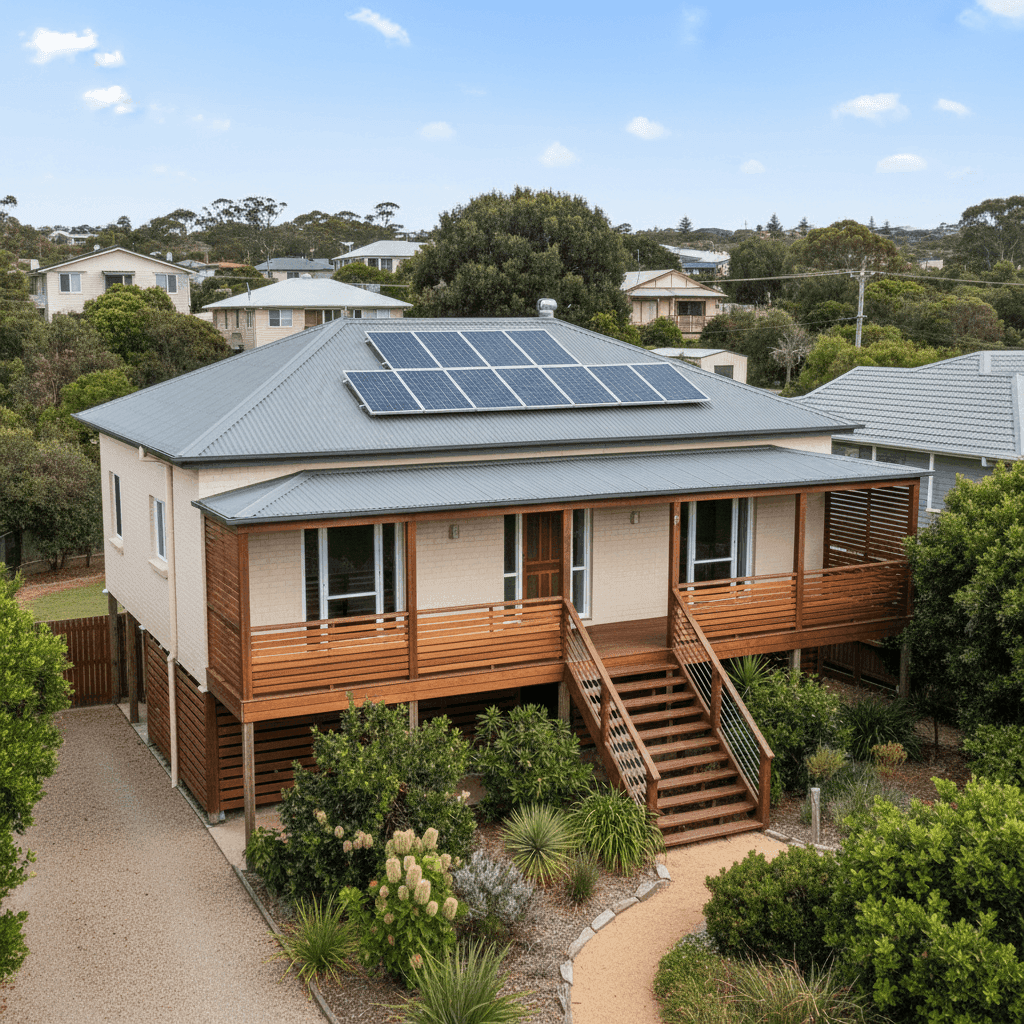
Nestled on the northern NSW coast, Iluka is a picturesque coastal village known for its World Heritage-listed rainforest, pristine beaches, and relaxed lifestyle. It's also an area where home insurance premiums can vary significantly — making it all the more important to understand what you're actually paying for. This article breaks down a real home and contents insurance quote for a four-bedroom, free-standing home in Iluka (postcode 2466), comparing the price against local, state, and national benchmarks.
---
Is This Quote Fair?
The annual premium for this property comes in at $4,097 per year (or $386/month), covering a building sum insured of $350,000 and contents valued at $30,000. Both the building and contents excess are set at $5,000.
Based on our pricing data, this quote is rated CHEAP — below average for the area. That's genuinely good news for the homeowner. To put it in context:
- The suburb average for Iluka is $5,419/yr
- The suburb median sits at $4,559/yr
- Even the 25th percentile (the cheapest quarter of quotes) in Iluka is $4,242/yr
This quote comes in below the 25th percentile, meaning it's cheaper than at least 75% of comparable quotes in the suburb. For a coastal NSW property, that's a strong result worth noting.
It's worth keeping in mind that the suburb sample size here is six quotes, so while directionally useful, the local data should be interpreted alongside broader comparisons. You can explore the full breakdown for this postcode on the Iluka suburb stats page.
---
How Iluka Compares
Understanding how Iluka stacks up against the rest of NSW — and the country — helps put this premium in perspective.
| Benchmark | Average Premium |
|---|---|
| Iluka (suburb average) | $5,419/yr |
| Iluka (suburb median) | $4,559/yr |
| Clarence Valley LGA average | $6,052/yr |
| NSW average | $3,801/yr |
| NSW median | $3,410/yr |
| National average | $2,965/yr |
| National median | $2,716/yr |
A few things stand out here. First, Iluka premiums are noticeably higher than the NSW state average — roughly 43% above it on a median basis. This is consistent with coastal and regional areas in NSW, where flood risk, storm exposure, and remoteness from emergency services can all push premiums upward.
Second, the Clarence Valley LGA average of $6,052/yr is even higher than the Iluka suburb average, suggesting that some properties within the broader LGA carry significantly elevated risk profiles. Iluka itself may benefit from certain geographic or construction characteristics that keep its average slightly lower than the LGA as a whole.
Compared to the national median of $2,716/yr, Iluka sits in a noticeably more expensive bracket — a reminder that location plays one of the biggest roles in determining what you'll pay. Browse NSW insurance stats or national averages to see how other areas compare.
---
Property Features That Affect Your Premium
Several characteristics of this particular property work in the homeowner's favour from a risk and pricing perspective.
Double Brick Construction Double brick external walls are among the most resilient building materials available. They offer excellent resistance to fire, wind, and impact — all factors insurers weigh heavily. Compared to timber-framed or clad homes, double brick properties often attract lower premiums or are viewed more favourably during underwriting.
Steel / Colorbond Roof A Colorbond steel roof is highly regarded by insurers. It's durable, resistant to corrosion, and performs well in storm conditions — a key consideration for a coastal NSW property. Unlike older tile or terracotta roofs, Colorbond doesn't crack, shift, or absorb moisture over time.
Elevated on Stumps The property is elevated by at least one metre on stumps — a feature that can be a double-edged sword. On the positive side, elevation significantly reduces flood risk by lifting the floor level above potential inundation. In flood-prone coastal areas like parts of the Clarence Valley, this can be a meaningful premium advantage. On the other hand, elevated homes can have slightly higher exposure to wind uplift, though this is generally well-managed with modern construction standards.
Built in 2002 A construction year of 2002 places this home in a period of reasonably modern building codes. It's not brand new, but it's also not old enough to carry the risk penalties associated with ageing electrical, plumbing, or structural systems. This is a neutral-to-positive factor for insurers.
Solar Panels The presence of solar panels adds a modest layer of complexity to the insurance picture. Panels themselves are generally covered under home and contents policies, but it's worth confirming with your insurer that the panels, inverter, and associated wiring are explicitly included — and at what value. Given the $30,000 contents sum, homeowners should verify whether solar equipment is listed separately or falls under building cover.
Tiles and Standard Fittings Tiled flooring and standard-grade fittings indicate a property without high-end finishes that would inflate rebuild costs. This keeps the sum insured more manageable and reduces the risk of being over-insured — or under-insured — on contents.
---
Tips for Homeowners in Iluka
1. Review Your Sum Insured Annually Building costs have risen significantly across regional NSW in recent years. A $350,000 building sum insured may have been appropriate at the time of purchase, but construction costs — particularly for double brick homes — can increase your rebuild cost over time. Use a building cost calculator or speak with a quantity surveyor to make sure you're not left short after a major claim.
2. Confirm Solar Panel Coverage If your solar system was installed after the original policy was written, it may not be automatically included. Contact your insurer to confirm the panels, inverter, and battery (if applicable) are covered and that the insured value reflects current replacement costs.
3. Ask About Flood Cover Iluka and the broader Clarence Valley region have experienced significant flood events. Check whether your policy includes flood cover as standard or as an optional add-on — and understand the difference between flood (rising water from a river or lake) and storm surge or rainwater damage, which may be treated differently under your policy terms.
4. Consider Your Excess Strategy Both the building and contents excess on this quote are set at $5,000. A higher excess typically reduces your premium, but it also means a larger out-of-pocket cost if you need to make a claim. For homeowners with a solid emergency fund, this trade-off may make sense. For others, a lower excess — even at a slightly higher premium — could offer better peace of mind.
---
Compare Your Own Quote
Whether you're insuring a home in Iluka or anywhere else in Australia, the best way to know if you're getting a fair deal is to compare. CoverClub makes it easy to see how your current premium stacks up against real quotes in your area. Get a home insurance quote today and find out if you could be paying less — or whether the cover you have is truly worth what you're paying for it.