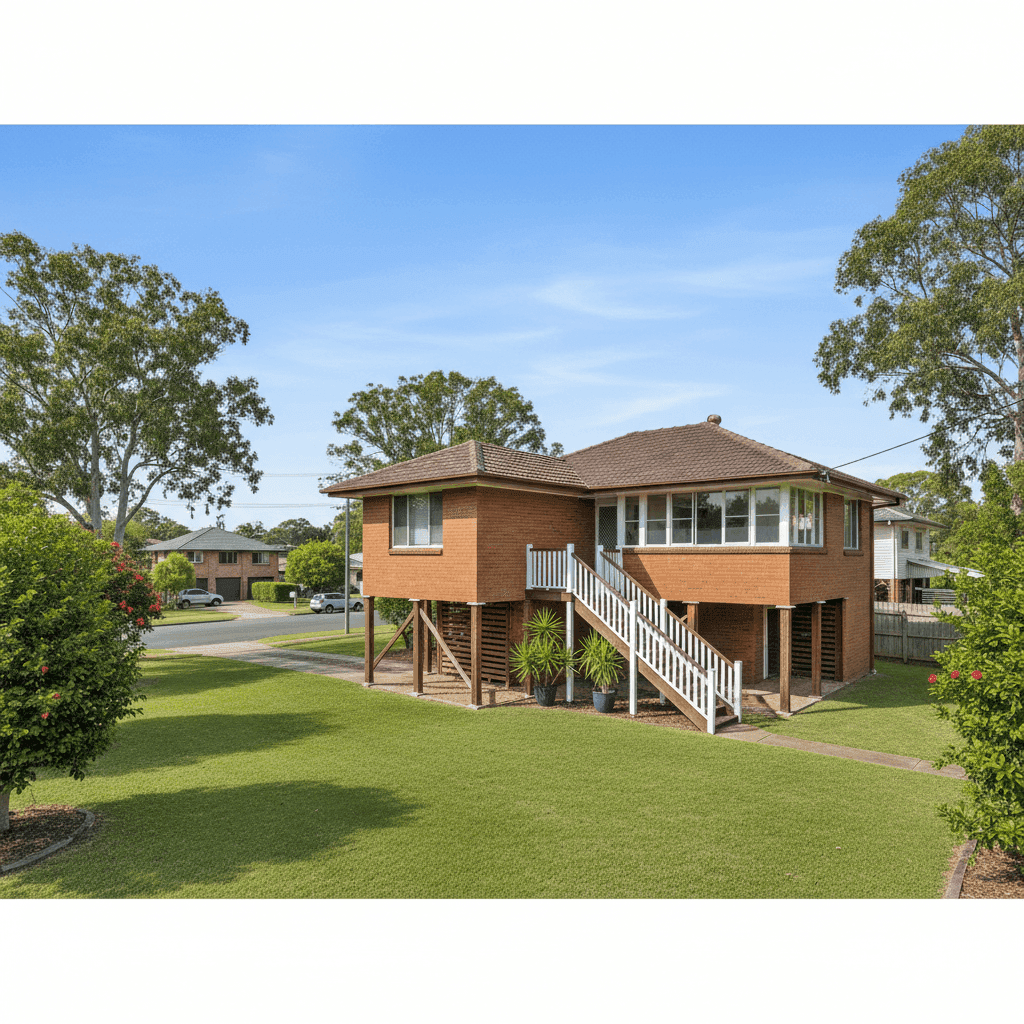
If you own a free standing home in Inala, QLD 4077, you might be wondering whether you're paying a fair price for home and contents insurance — or whether there's money being left on the table. In this article, we break down a real insurance quote for a four-bedroom, double brick home in Inala, compare it against local, state, and national benchmarks, and share practical tips to help you get the best value cover for your property.
---
Is This Quote Fair?
The quote in question comes in at $1,224 per year (or $123/month) for combined home and contents insurance, covering a building sum insured of $400,000 and contents valued at $30,000. The building excess sits at $3,000 and the contents excess at $1,000.
Our price rating for this quote? Cheap — below average. That's a strong result.
To put it in perspective, the average home and contents premium across Inala sits at $1,910 per year, with a suburb median of $1,960. This quote comes in around $686 below the suburb average — a saving of roughly 36%. Even compared to the suburb's 25th percentile (the cheapest quarter of quotes) at $1,429/yr, this policy is still meaningfully cheaper. In short, if you're paying around this amount in Inala, you're doing well.
It's worth noting that a higher excess — particularly the $3,000 building excess — is one factor that can bring a premium down. You'd be covering the first $3,000 of any building claim yourself, so it's important to ensure that trade-off works for your financial situation.
---
How Inala Compares to the Rest of Queensland and Australia
Zooming out, the pricing picture becomes even more interesting. Check out the full suburb stats for Inala (QLD 4077) to see how premiums are trending in your postcode.
| Benchmark | Premium |
|---|---|
| This Quote | $1,224/yr |
| Inala Suburb Average | $1,910/yr |
| Inala Suburb Median | $1,960/yr |
| QLD State Average | $9,129/yr |
| QLD State Median | $3,903/yr |
| National Average | $5,347/yr |
| National Median | $2,764/yr |
| Brisbane LGA Average | $16,277/yr |
The Queensland state average of $9,129/yr is heavily skewed by high-risk coastal and cyclone-prone regions in Far North Queensland, where premiums can be extraordinarily high. The state median of $3,903/yr gives a more realistic picture of what most Queenslanders pay — and this Inala quote is still well below that figure.
Nationally, the average home insurance premium sits at $5,347/yr, with a median of $2,764/yr. Again, this quote undercuts both figures comfortably.
The Brisbane LGA average of $16,277/yr is a striking number, but it's important to understand that LGA-level data can be heavily influenced by a small number of very high-risk or high-value properties. For a standard residential property in Inala, that figure isn't a realistic comparison point — but it does highlight just how wide the range of premiums can be across Greater Brisbane.
---
Property Features That Affect Your Premium
Several characteristics of this property work in its favour from an insurance pricing perspective:
Double Brick Construction Double brick walls are considered one of the more resilient external wall types by insurers. They offer solid resistance to wind, impact, and fire compared to lighter materials like weatherboard or fibre cement. This generally translates to lower rebuild risk and, in turn, lower premiums.
Concrete Roof Similarly, a concrete tile roof is viewed favourably by underwriters. It's durable, fire-resistant, and less prone to storm damage than corrugated iron or older terracotta tiles that may have degraded over time. This is a meaningful plus in a Queensland context, where severe storms are a real consideration.
Elevated on Stumps The property is elevated by at least one metre on stumps — a classic feature of older Queensland homes. This characteristic can actually work in two directions. On the positive side, elevation provides meaningful protection against surface flooding, which is a genuine risk in parts of Brisbane. On the other hand, the underfloor space requires maintenance, and the stumps themselves can be a source of claims if they deteriorate or shift. Overall, the flood-mitigation benefit tends to be the more significant factor for insurers in this region.
1968 Construction Older homes — this one was built in 1968 — can sometimes attract higher premiums due to the cost of sourcing period-appropriate materials and the potential for older wiring, plumbing, or structural elements. However, double brick construction from this era is often considered solid and well-built, which can offset some of that concern.
No Pool, No Solar, No Cyclone Zone The absence of a pool removes a common source of liability and accidental damage claims. No solar panels means one less complex system to insure. And being outside a designated cyclone risk area is a significant pricing advantage in Queensland — cyclone-prone postcodes can see premiums multiply dramatically.
---
Tips for Homeowners in Inala
1. Review Your Sum Insured Regularly A $400,000 building sum insured may be appropriate today, but construction costs have risen sharply in recent years. Make sure your cover reflects the actual cost to rebuild your home from scratch — not its market value. Underinsurance is one of the most common and costly mistakes homeowners make.
2. Understand Your Excess Before You Commit A $3,000 building excess is on the higher end of the scale. While it reduces your annual premium, it means smaller claims may not be worth lodging — and you'll need that amount readily available if disaster strikes. Consider whether a lower excess (at a slightly higher premium) might suit your cash flow better.
3. Check Your Contents Coverage $30,000 in contents cover is a starting point, but it's easy to underestimate the value of everything inside your home. Walk through each room and think about electronics, furniture, appliances, clothing, and jewellery. Many Australians discover they're underinsured for contents only after making a claim.
4. Compare Quotes at Renewal Time Even if you're happy with your current insurer, it pays to compare at renewal. Insurers don't always reward loyalty with their best pricing — new customers often receive more competitive rates. Using a comparison platform like CoverClub takes the legwork out of shopping around.
---
Find Out What You Should Be Paying
Whether you're renewing your policy or insuring a new property, it's worth taking a few minutes to see what's available in the market. The quote analysed here is a great example of what's possible when the right property characteristics align with competitive pricing — but every home is different.
Get a home insurance quote for your Inala property at CoverClub and see how your premium stacks up against the suburb, state, and national benchmarks. It's free, fast, and could save you hundreds of dollars a year.