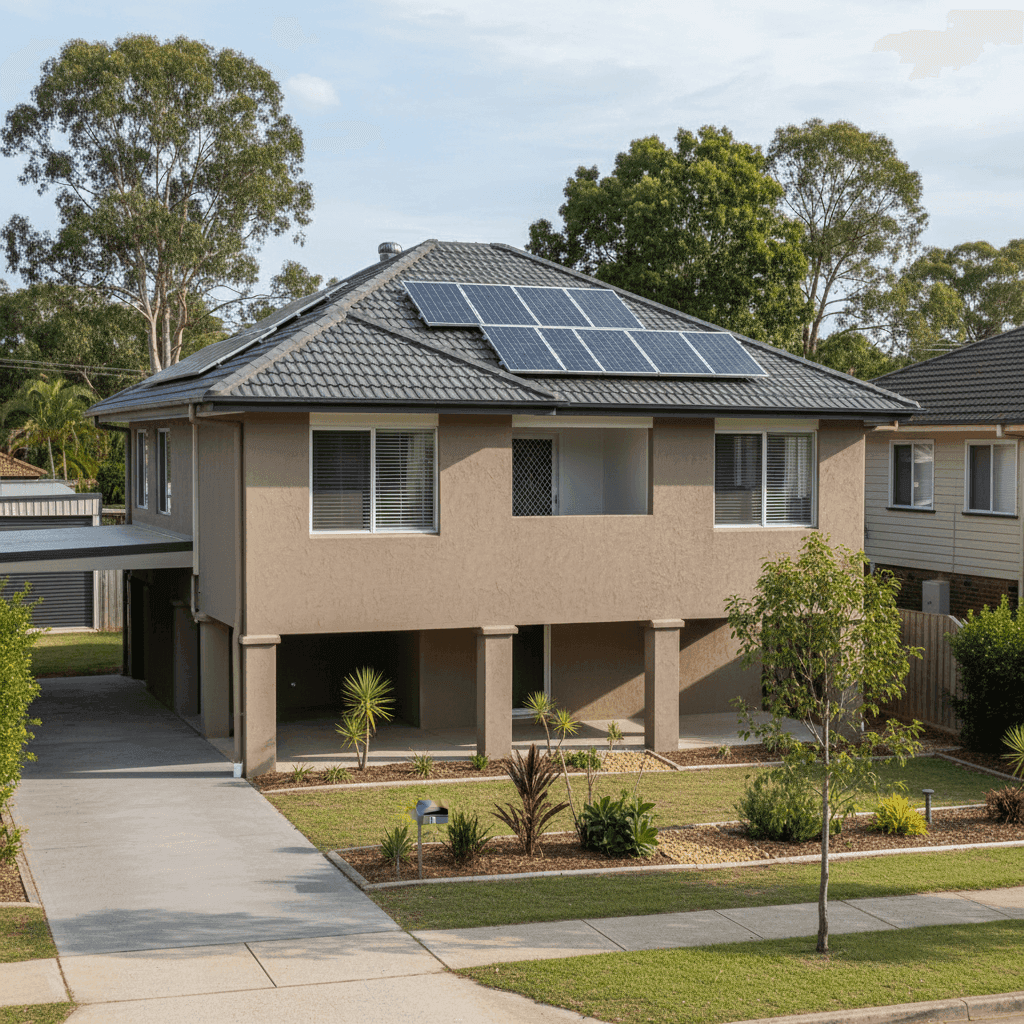
Home insurance costs across Queensland have been climbing steadily, making it all the more satisfying when a well-priced quote comes along. This article breaks down a real home and contents insurance quote for a two-bedroom free standing home in Inala, QLD 4077 — a western Brisbane suburb with a mix of post-war housing stock and a tight-knit community feel. Whether you own a similar property or are simply curious about what insurance should cost in this area, the numbers here offer a useful benchmark.
---
Is This Quote Fair?
The short answer: yes — remarkably so.
This quote came in at $818 per year (or roughly $76 per month) for combined home and contents cover, with a building sum insured of $437,000 and contents valued at $24,000. The building excess sits at $2,000 and the contents excess at $1,000, which are fairly standard settings for Australian home insurance policies.
CoverClub's pricing engine rates this quote as CHEAP — below average for the area. That's not a minor discount; it's a significant undercut compared to what most Inala homeowners are paying. The suburb average premium sits at $2,286 per year, meaning this quote is saving the policyholder roughly $1,468 annually compared to the typical Inala rate. Put another way, this quote is about 64% cheaper than the local average — an exceptional result by any measure.
It's worth noting that "cheap" doesn't necessarily mean under-insured. The building sum insured of $437,000 for a 139 sqm concrete-walled, tiled-roof home on stumps is a reasonable replacement cost estimate, and the $24,000 contents figure, while modest, is appropriate for a standard two-bedroom household without high-value items.
---
How Inala Compares
To put this quote in proper context, here's how Inala stacks up against broader benchmarks. You can explore the full data on the Inala suburb insurance stats page.
| Benchmark | Average Premium | Median Premium |
|---|---|---|
| This Quote | $818/yr | — |
| Inala (4077) | $2,286/yr | $2,417/yr |
| Brisbane LGA | $4,485/yr | — |
| Queensland | $4,547/yr | $3,931/yr |
| National | $2,965/yr | $2,716/yr |
A few things stand out from this table. First, Inala's suburb average of $2,286 is actually below the national average of $2,965 — which is somewhat unusual for a Queensland suburb, given the state's elevated exposure to weather-related claims. The Queensland state insurance data shows a state average of $4,547, nearly double the national figure, reflecting the outsized impact of cyclone, flood, and storm risk across much of the state.
Inala itself is not classified as a cyclone risk area, which helps keep premiums more competitive. The suburb sits in the western suburbs of Brisbane, away from coastal exposure, and while parts of Brisbane can be flood-prone, this particular property profile didn't attract a flood loading that pushed the premium into the higher ranges seen across the national insurance landscape.
The Brisbane LGA average of $4,485 per year is surprisingly high — well above both the Inala suburb average and the national figure. This likely reflects the wide range of flood-exposed and storm-affected properties across the broader Brisbane council area dragging the average upward.
---
Property Features That Affect Your Premium
Several characteristics of this property work in the homeowner's favour from an insurance pricing perspective.
Concrete external walls are generally viewed favourably by insurers. Concrete is fire-resistant, durable, and holds up well against impact damage. Compared to timber-framed or weatherboard homes — which are common in older Queensland housing stock — concrete construction typically attracts lower premiums.
Tiled roof is another positive. Terracotta or concrete tiles are considered a robust roofing material, offering good resistance to wind uplift and hail compared to corrugated iron or older fibrous cement sheeting. In a storm-prone state like Queensland, roof construction is a key rating factor.
Stumped foundation is characteristic of many post-war Queensland homes, and this property — built in 1950 — fits that profile precisely. Stumps allow for airflow beneath the home and can make the property more resilient to minor ground movement, though they can introduce some vulnerability to subsidence over time. Insurers generally treat stumped homes similarly to slab foundations, though some may factor in the age and condition of the stumps.
Timber and laminate flooring is a standard feature in this era of construction. It doesn't significantly move the premium needle in either direction, though it may affect contents claims if water damage occurs.
Solar panels are present on this property. While solar panels add value and can increase the cost to replace the home, they're typically covered under building insurance as a fixed structure. Their presence here doesn't appear to have inflated the premium materially, which suggests the building sum insured already accounts for their replacement cost.
The absence of a pool and ducted climate control keeps the risk profile clean — fewer fixtures mean fewer potential claims.
---
Tips for Homeowners in Inala
1. Review your building sum insured regularly. Construction costs have risen sharply in recent years. A 139 sqm home built in 1950 may have a replacement cost that differs significantly from its market value. Use a building cost calculator or speak with a builder to ensure your sum insured reflects current rebuild costs — not what you paid for the property.
2. Check your flood coverage status. While this property isn't in a designated cyclone risk zone, parts of Brisbane — including some western suburbs — have flood exposure. Confirm with your insurer whether flood cover is included in your policy or available as an add-on. Don't assume it's automatic.
3. Don't let a low premium tempt you into underinsuring contents. $24,000 in contents cover is modest. Take the time to do a room-by-room inventory of your belongings — furniture, appliances, clothing, electronics, and tools. Many households underestimate their contents value, which can lead to a painful shortfall at claim time.
4. Ask about discounts for security upgrades. Inala, like many urban suburbs, can benefit from basic security improvements. Deadbolts, monitored alarms, and security screens may attract premium discounts with some insurers. It's always worth asking.
---
Compare Your Own Quote
Whether your premium looks like this one or is closer to the suburb average, the best way to know if you're getting a fair deal is to compare. Get a home insurance quote at CoverClub and see how your current policy stacks up against the market — it takes just a few minutes and could save you hundreds of dollars a year.