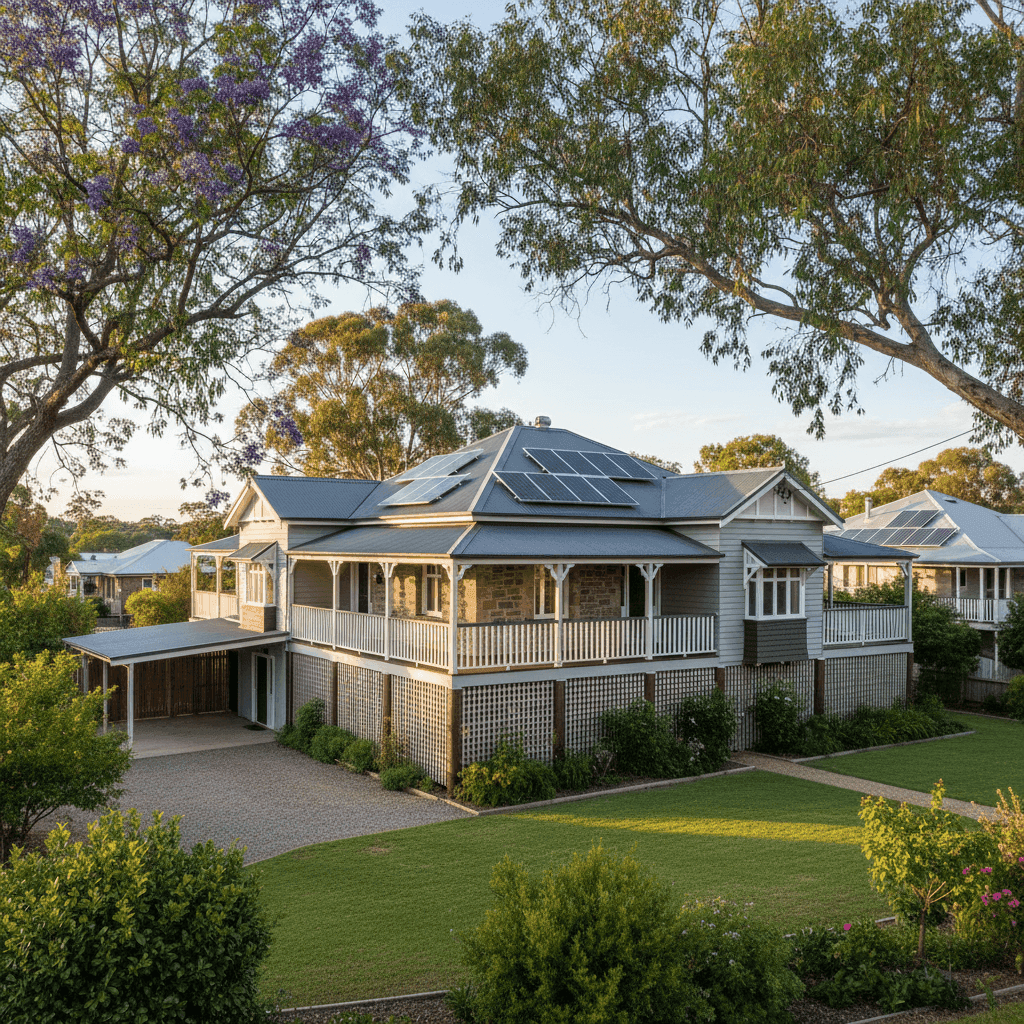
If you own a free standing home in Inverell, NSW 2360, you've probably noticed that insurance premiums can vary wildly depending on who you ask — and what your property looks like. This article breaks down a real home and contents insurance quote for a four-bedroom, two-bathroom property in Inverell, compares it against local, state, and national benchmarks, and offers practical advice to help you make the most of your cover.
---
Is This Quote Fair?
The annual premium for this property came in at $4,166 per year (or roughly $407 per month), covering a building sum insured of $710,000 and $75,000 in contents, each with a $1,000 excess.
Our price rating for this quote is Expensive — above average for the Inverell area.
To put that in context: the suburb average premium for Inverell sits at $3,178 per year, with a median of $3,275. This quote lands roughly $891 above the local average — a meaningful gap that's worth understanding before you simply accept it at face value.
That said, "expensive" doesn't automatically mean "wrong." A number of property-specific factors — which we'll unpack below — can legitimately push a premium above the suburb norm. The key question is whether those factors justify the difference, or whether shopping around could close the gap.
---
How Inverell Compares
Understanding where Inverell sits in the broader insurance landscape is genuinely useful context.
| Benchmark | Average Premium | Median Premium |
|---|---|---|
| Inverell (NSW 2360) | $3,178/yr | $3,275/yr |
| New South Wales | $9,528/yr | $3,770/yr |
| National | $5,347/yr | $2,764/yr |
| Gwydir LGA | $43,287/yr | — |
A few things stand out here. First, the NSW state average of $9,528 is dramatically higher than the NSW median of $3,770 — a sign that a relatively small number of very high-risk or high-value properties are pulling the average upward. Inverell's premiums are comfortably below that distorted state average, which is a positive sign for the suburb overall.
At the national level, the average of $5,347 is again skewed by extreme-risk areas (think cyclone-prone coastal Queensland or flood-affected river towns). The national median of $2,764 is actually below Inverell's local median, suggesting that while Inverell isn't a high-risk hotspot, it's not the cheapest place to insure a home either.
The Gwydir LGA average of $43,287 looks startling, but this almost certainly reflects a small number of very large rural or commercial properties dragging the figure skyward — it's not representative of typical residential premiums in the region.
Based on a sample of 44 quotes in the 2360 postcode, the 25th percentile sits at $2,844 and the 75th at $3,876. This quote, at $4,166, sits above the 75th percentile, meaning it's pricier than at least three-quarters of comparable quotes in the suburb. That's a strong signal to shop around.
---
Property Features That Affect Your Premium
Several characteristics of this particular property are likely contributing to the above-average premium. Here's what insurers are probably factoring in:
Age of Construction (1936)
At nearly 90 years old, this home is well into heritage territory. Older homes can be more expensive to repair or rebuild to modern standards, and they may have materials or structural systems that are harder to source. Insurers typically price older properties at a higher rate to account for this.
Elevated on Stumps
The home sits elevated by at least one metre on stumps — a common construction style in regional NSW, particularly for homes built in the early-to-mid 20th century. While elevation can actually reduce flood risk, stump foundations can be more costly to repair if they deteriorate, and the underfloor space adds complexity to building assessments.
Timber and Laminate Flooring
Timber flooring is beautiful, but it's also more susceptible to water damage and more expensive to replace than tiles or concrete. This will factor into both the building sum insured and the insurer's risk assessment.
Colorbond Steel Roof
Colorbond roofing is durable and low-maintenance, which is generally a positive for insurers. However, it can be more expensive to replace than traditional terracotta or concrete tiles, and in storm-prone areas, the cost of repairs can add up.
Solar Panels
The presence of solar panels adds value to the property but also adds complexity to a claim. Panels need to be covered for storm damage, hail, and electrical faults — and not all policies treat them the same way. Make sure your policy explicitly covers solar panels and check whether they're included under the building sum insured.
Ducted Climate Control
Ducted systems are a significant fixed asset. They're expensive to repair and replace, and their inclusion in the building sum insured is worth confirming with your insurer to avoid being underinsured.
Building Sum Insured: $710,000
At 214 sqm, the sum insured works out to approximately $3,318 per sqm — which is on the higher end for a regional NSW home, even accounting for the age and features of the property. It's worth periodically reviewing your sum insured to ensure it reflects realistic rebuild costs in your area, neither over-insuring (which wastes money) nor under-insuring (which can leave you exposed at claim time).
---
Tips for Homeowners in Inverell
1. Compare Multiple Quotes
This one sounds obvious, but it's the single most effective thing you can do. With this quote sitting above the 75th percentile for the suburb, there's a real chance a comparable policy is available at a lower price. Use a comparison tool like CoverClub to see multiple quotes side by side without the legwork.
2. Review Your Sum Insured Annually
Building costs fluctuate, and what was an accurate rebuild estimate two years ago may be under or over the mark today. An independent building valuation — or at minimum a review using a reputable online calculator — can help you calibrate your sum insured more accurately and potentially reduce your premium if you've been over-insuring.
3. Ask About Discounts for Security and Safety Features
Homes with monitored alarm systems, deadbolts, and smoke detectors often qualify for premium discounts. If you've recently upgraded any of these, let your insurer know — it may not happen automatically.
4. Consider a Higher Excess to Reduce Your Premium
Both the building and contents excess on this policy are set at $1,000. Increasing the excess — say, to $2,000 or $2,500 — can meaningfully reduce your annual premium. Just make sure you'd be comfortable covering that amount out of pocket in the event of a claim.
---
Ready to Find a Better Deal?
If your current premium feels high, you're not stuck with it. CoverClub makes it easy to compare home and contents insurance quotes from multiple insurers in minutes. Whether you're in Inverell or anywhere else across Australia, you can get a personalised quote and see exactly how your options stack up. Don't pay more than you need to — start comparing today.