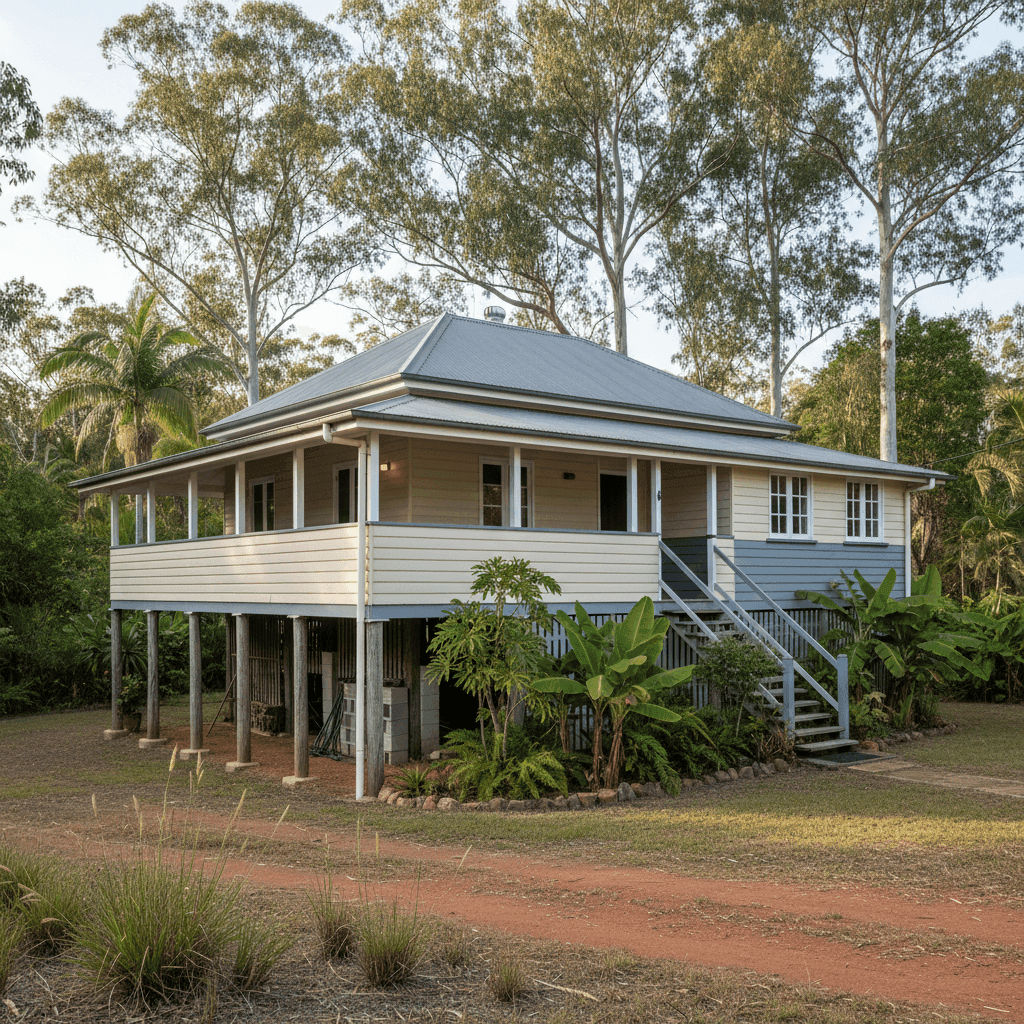
Nestled in the remote Cape York Peninsula, Iron Range in Queensland's far north (postcode 4892) is one of Australia's most unique and ecologically rich locations. For homeowners in this area, protecting a property comes with its own set of considerations — from tropical weather patterns to the realities of living in a cyclone-risk zone. This article breaks down a real home and contents insurance quote for a 3-bedroom free standing home in Iron Range, exploring whether the price stacks up and what local factors are shaping the cost.
---
Is This Quote Fair?
The annual premium for this property comes in at $3,409 per year (or $306 per month), covering both building (sum insured: $362,000) and contents ($23,000), each with a $500 excess.
Our price rating for this quote is CHEAP — below average — which is genuinely good news for this homeowner. Given the property's location in a designated cyclone risk area, a below-average premium is a strong outcome and suggests the insurer has assessed the specific risk profile of this home favourably.
To put it in perspective:
- The Queensland state average premium is $9,129/yr, with a median of $3,903/yr
- The national average is $5,347/yr, with a median of $2,764/yr
At $3,409/yr, this quote sits below the Queensland median and well below the state average — a significant saving in a state where premiums are among the highest in the country due to widespread flood, cyclone, and storm exposure. Compared to the national median of $2,764/yr, it's modestly higher, but that's entirely expected for a cyclone-prone region in Far North Queensland.
All things considered, this is a competitive quote that reflects well on the property's risk characteristics.
---
How Iron Range Compares
Iron Range sits in one of Queensland's most sparsely populated and weather-exposed corners. While no suburb-level comparison data is currently available for postcode 4892, the state-level data for Queensland tells a clear story: QLD homeowners pay some of the highest premiums in the country.
The gap between Queensland's average ($9,129) and the national average ($5,347) is substantial — nearly $3,800 per year. This reflects the concentration of cyclone, flood, and severe storm risk across the state, particularly in northern and coastal areas.
For Iron Range specifically, the cyclone risk designation is a significant pricing factor. Many properties in similar postcodes attract premiums well above the state median. The fact that this quote lands below the QLD median suggests the insurer has taken a nuanced view of this particular property's construction and elevation characteristics.
You can explore more local insurance data at the Iron Range stats page as more comparison data becomes available for this postcode.
---
Property Features That Affect Your Premium
Several characteristics of this home play a meaningful role in determining its insurance cost. Here's how each factor stacks up:
🏠 Construction: Weatherboard Timber Walls & Colorbond Roof
Weatherboard timber walls are common in older Queensland homes and carry a moderate risk profile — timber is more susceptible to fire and termite damage than brick, but it can also flex better under wind stress. The steel/Colorbond roof is a positive factor: it's durable, cyclone-resistant when properly installed, and widely accepted by insurers in high-wind zones.
🏗️ Foundation: Stumps (Elevated Less Than 1 Metre)
The home is built on stumps and elevated by less than 1 metre. Stump foundations are traditional in Queensland and offer some flood resilience, though the sub-1-metre elevation means it's not as protected as a fully raised Queenslander. Insurers may factor this in when assessing storm surge or flash flooding risk.
📅 Construction Year: 1995
Built in 1995, this home falls under modern building codes that introduced improved cyclone construction standards in Queensland — particularly following the devastation of Cyclone Tracy in 1974, which prompted major regulatory reform. This vintage is generally viewed positively by insurers compared to pre-1980s construction.
🪵 Flooring: Timber/Laminate
Timber and laminate flooring can be vulnerable to water ingress, which is relevant in a high-rainfall, cyclone-prone region. In the event of flooding or storm water penetration, flooring replacement can be a significant claim item — so having adequate contents and building cover is important.
🌀 Cyclone Risk Area
This is the most significant risk factor for this property. Iron Range sits in a designated cyclone risk zone, and insurers price this accordingly. The fact that the premium remains below the QLD median despite this designation is noteworthy.
✅ No Pool, No Solar, No Ducted Climate Control
The absence of a pool, solar panels, and ducted air conditioning simplifies the risk profile and keeps the premium lower. Each of these additions can increase both the sum insured and the likelihood of certain types of claims.
---
Tips for Homeowners in Iron Range
Living in a remote, cyclone-prone area means your approach to home insurance needs to be proactive. Here are four practical steps to protect your property and your hip pocket:
- Review your sum insured annually. Building costs in remote Queensland locations are higher than metropolitan areas due to transport and labour costs. Make sure your $362,000 building cover reflects current rebuild costs — not just the market value of the home. Underinsurance is a real risk in regional areas.
- Cyclone-proof your home where possible. Insurers and government programs sometimes offer premium discounts or rebates for homes that undergo cyclone mitigation upgrades — such as roof tie-downs, storm shutters, or reinforced doors. Check with the Queensland Government's Resilient Homes Fund for eligibility.
- Document your contents thoroughly. With $23,000 in contents cover, it's worth keeping a home inventory with photos and receipts stored securely in the cloud. In the aftermath of a cyclone or flood, having clear documentation speeds up claims significantly.
- Compare quotes before renewal. Even if you're happy with your current premium, the insurance market shifts regularly. Use a comparison tool like CoverClub to benchmark your renewal quote against current market rates — you may find a better deal without sacrificing cover quality.
---
Compare Your Home Insurance Options
Whether you're a first-time buyer in Iron Range or a long-time local looking to make sure you're not overpaying, comparing quotes is the smartest move you can make. At CoverClub, we make it easy to see how your premium stacks up against real data from across Queensland and Australia.
Get a home insurance quote today and find out if you're getting the cover you deserve at a price that makes sense.