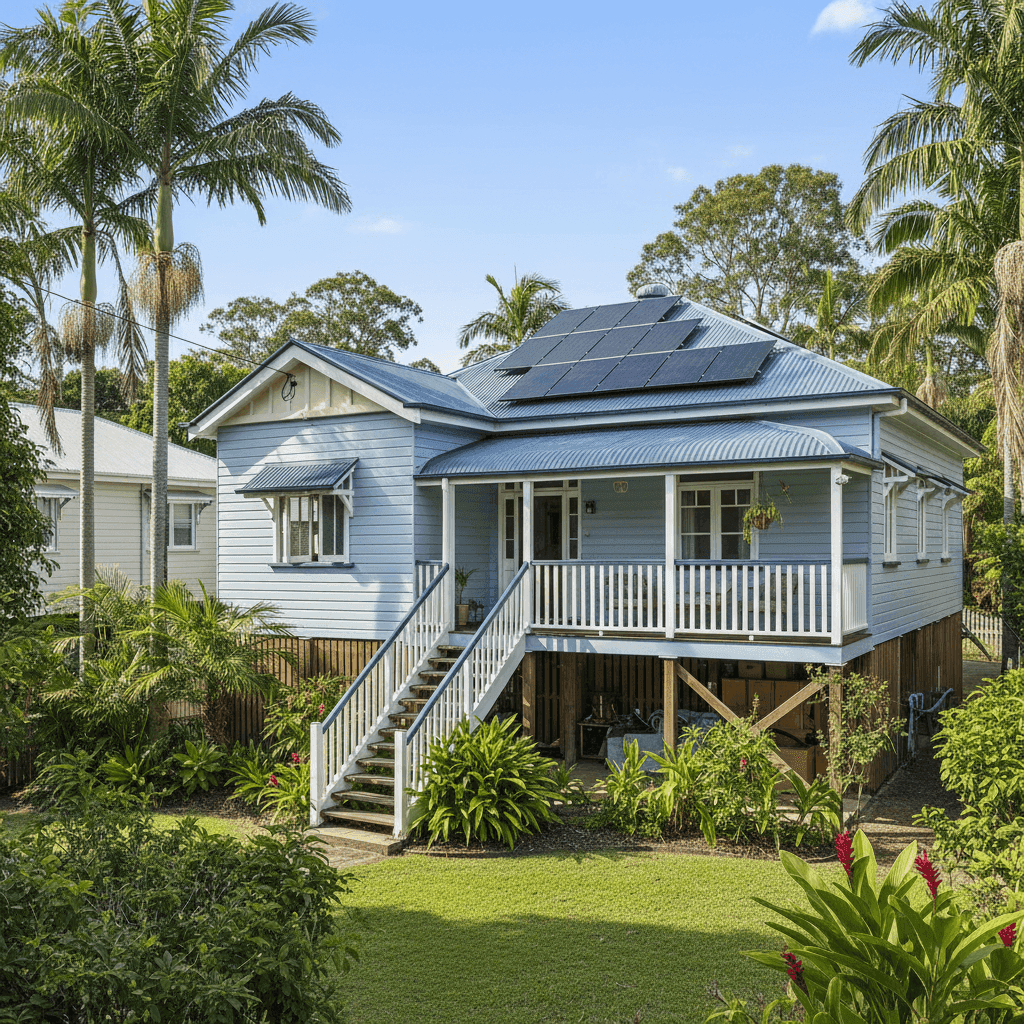
If you own a free standing home in Isla, QLD 4719, you're likely no stranger to the unique considerations that come with insuring a property in regional Queensland. This article takes a close look at a recent home and contents insurance quote for a 3-bedroom, 2-bathroom weatherboard home in Isla — and unpacks whether it represents genuine value, how it compares to broader market benchmarks, and what local homeowners can do to keep their premiums in check.
---
Is This Quote Fair?
The annual premium for this property came in at $1,657 per year (or $152 per month), covering both building (sum insured: $800,000) and contents ($30,000). Our pricing model rates this as CHEAP — below average for the area.
To put that in perspective: the Queensland state average premium sits at a substantial $9,129 per year, with a median of $3,903. The national average is $5,347, with a national median of $2,764. Against every one of those benchmarks, this quote is significantly lower — coming in at less than half the state median and less than a third of the state average.
For a combined home and contents policy with an $800,000 building sum insured, a sub-$1,700 annual premium is genuinely competitive. That said, it's worth noting the building excess is set at $5,000, which is on the higher side. A higher excess is one of the most common levers insurers use to reduce upfront premiums — so while the annual cost looks attractive, you'd need to be prepared to cover the first $5,000 of any building claim out of pocket. The contents excess, at $1,000, is more standard.
Overall, for a property of this type and size in regional Queensland, this quote appears to offer solid value — provided the excess levels are manageable for the homeowner.
---
How Isla Compares
While suburb-level data for Isla isn't available in our current dataset, we can still draw meaningful comparisons using Isla's regional stats page alongside LGA, state, and national figures.
| Benchmark | Average Premium | Median Premium |
|---|---|---|
| This Quote | $1,657/yr | — |
| Banana LGA | $4,419/yr | — |
| Queensland | $9,129/yr | $3,903/yr |
| National | $5,347/yr | $2,764/yr |
This property's premium sits well below the Banana LGA average of $4,419 — less than 40% of that figure. Queensland, as a state, consistently records some of the highest home insurance premiums in the country, largely due to elevated exposure to cyclones, flooding, and storm damage across much of the state. The fact that this quote lands so far below state norms is notable.
One likely reason for the competitive pricing: the property sits in a non-cyclone risk area, which removes one of the biggest premium drivers in QLD. Many properties further north or along the coast attract significant cyclone risk loadings that can push premiums into the thousands on their own.
---
Property Features That Affect Your Premium
Several characteristics of this property have a meaningful influence on what insurers charge — for better or worse.
Weatherboard Timber Construction
Weatherboard wood external walls are common in older Queensland homes and carry a moderate risk profile. Timber is more susceptible to fire, termite damage, and general weathering than brick or rendered masonry. Insurers factor this in, though the impact varies between providers.
Steel / Colorbond Roof
Colorbond roofing is generally viewed favourably by insurers. It's durable, low-maintenance, and performs well in high-wind and hail events compared to terracotta or concrete tiles. This is a positive feature for premium pricing.
Elevated Foundations (Stumps)
The home is elevated by at least one metre on stumps — a classic Queenslander design feature. Elevation can actually work in your favour from a flood-risk perspective, as it reduces the likelihood of inundation damage to the building's interior. However, elevated homes can be more exposed to wind uplift, and the subfloor space introduces additional maintenance considerations.
Construction Year: 1983
At over 40 years old, this home falls into an age bracket that some insurers treat with caution. Older properties may have ageing electrical wiring, plumbing, or structural elements that increase the likelihood of a claim. It's worth ensuring your sum insured reflects the true cost of rebuilding — not just the market value.
Solar Panels
The presence of solar panels adds value to the property and should be accounted for in your sum insured. Most home insurance policies cover rooftop solar panels as part of the building, but it's worth confirming this with your insurer and ensuring the replacement cost is factored into your $800,000 building cover.
Ducted Climate Control
Ducted air conditioning is a significant fixed asset and typically covered under building insurance. As with solar, confirm it's included in your policy's building definition and that the sum insured is adequate.
Vinyl Flooring and Standard Fittings
Vinyl flooring and standard-grade fittings are generally straightforward to value and replace. This keeps rebuild cost estimates more predictable, which can contribute to more stable premium pricing.
---
Tips for Homeowners in Isla
Whether you're reviewing your current policy or shopping around for the first time, here are four practical steps worth taking.
1. Review your sum insured regularly With a building sum insured of $800,000 on a 268 sqm home, it's important to ensure this figure reflects current construction costs — not what you paid for the property. Building costs in regional Queensland have risen considerably in recent years. Use a building cost calculator or ask your insurer to help you assess whether your cover is adequate.
2. Understand your excess before you claim The $5,000 building excess on this policy is high. Before renewing, consider whether you'd prefer a lower excess (which typically increases your premium) or whether you're comfortable self-insuring that first $5,000. Having that amount readily accessible in savings is a sensible precaution.
3. Maintain your timber exterior Weatherboard homes require regular upkeep — painting, sealing, and checking for rot or termite activity. Neglected maintenance can not only lead to costly repairs but may also affect your ability to make a successful insurance claim if damage is attributed to wear and tear rather than a sudden event.
4. Confirm solar panels and ducted AC are covered Contact your insurer directly to confirm that both your solar panel system and ducted climate control unit are included in your building cover. Ask for the replacement values to be noted, and ensure your sum insured accounts for them.
---
Compare Home Insurance Quotes for Your Isla Property
Whether this quote is your current policy or one you're considering, it's always worth seeing what else is available. Premiums can vary significantly between insurers for the same property — even in the same street. At CoverClub, you can compare home insurance quotes tailored to your property in minutes, with transparent pricing and no hidden fees.
Don't leave money on the table — or worse, find yourself underinsured when it matters most.