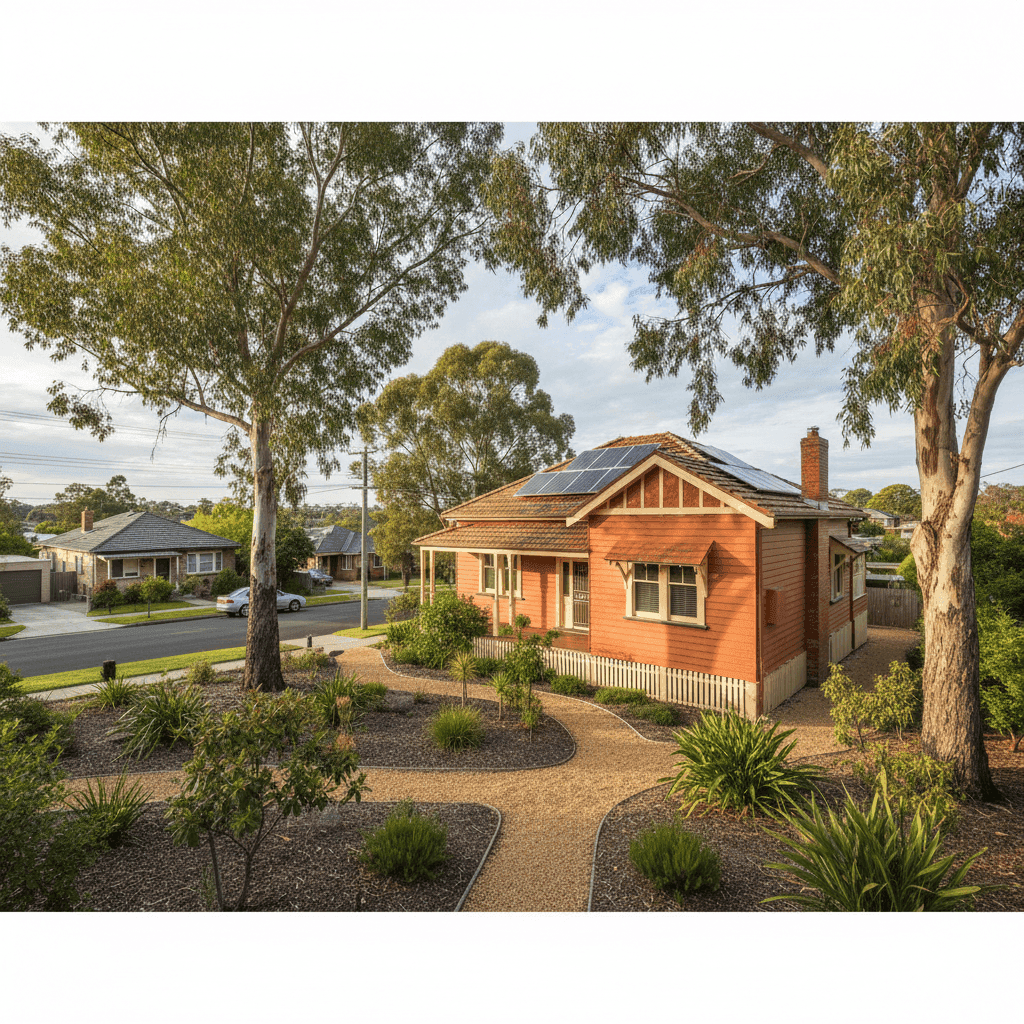
Ivanhoe East is one of Melbourne's leafy inner-north-east suburbs — a sought-after pocket of Banyule known for its Federation and Californian bungalow streetscapes, tree-lined streets, and proximity to the Yarra River. It's also a suburb where older homes, like this 1925-built, three-bedroom free standing home on stumps, come with their own unique insurance considerations. This article breaks down a recent Home and Contents insurance quote for a property in Ivanhoe East (VIC 3079) and explains what's driving the price — and whether it represents good value.
---
Is This Quote Fair?
The short answer: yes, this is an exceptionally competitive quote.
At $1,463 per year (or $150 per month), this Home and Contents policy covering a building sum insured of $926,000 and contents valued at $246,000 has been rated CHEAP — meaning it sits well below the average for the area.
To put that in perspective, the suburb average premium in Ivanhoe East is $3,830 per year, and the median sits at $3,519. That means this quote is coming in at roughly 38% of the local average — a significant saving of over $2,300 annually compared to what many neighbours might be paying.
Even against the most competitive end of the local market (the 25th percentile at $2,880/yr), this quote still undercuts by nearly $1,400 a year. For a property with a relatively high building sum insured, that's a strong result worth paying attention to.
It's worth noting that excess levels play a role here — the building excess is set at $3,000 and the contents excess at $1,000, which are on the higher side. Choosing a higher excess is a common way to reduce premiums, so homeowners should weigh up whether those out-of-pocket costs in the event of a claim feel manageable.
---
How Ivanhoe East Compares
Understanding local pricing context helps you know whether you're getting a fair deal. Here's how the premiums stack up across different benchmarks:
| Benchmark | Annual Premium |
|---|---|
| This Quote | $1,463 |
| Ivanhoe East Suburb Average | $3,830 |
| Ivanhoe East Suburb Median | $3,519 |
| Ivanhoe East 25th Percentile | $2,880 |
| LGA Average (Banyule) | $2,085 |
| VIC State Average | $3,000 |
| VIC State Median | $2,718 |
| National Average | $5,347 |
| National Median | $2,764 |
A few things stand out here. First, Ivanhoe East's suburb average ($3,830) is notably higher than both the VIC state average of $3,000 and the national median of $2,764 — suggesting that insurers price this suburb at a premium relative to broader benchmarks. This could reflect the age and construction type of local homes, the higher rebuild costs associated with period properties, or the elevated sum insured values typical of the area.
Second, the Banyule LGA average of $2,085 is considerably lower than the Ivanhoe East suburb average, which suggests pricing can vary quite a bit even within the same local government area. Neighbouring suburbs in Banyule may attract lower premiums due to differences in property age, construction, or flood/fire risk profiles.
You can explore more localised data on the Ivanhoe East suburb stats page or browse VIC-wide insurance trends for broader context.
(Note: suburb comparison data is based on a sample of 13 quotes, so results should be interpreted as indicative rather than definitive.)
---
Property Features That Affect Your Premium
Several characteristics of this property are worth understanding from an insurance perspective:
Weatherboard timber construction (built 1925) Older weatherboard homes are generally considered higher risk by insurers. Timber is more susceptible to fire than brick veneer or double brick, and homes of this era may have ageing electrical wiring, plumbing, or structural elements that increase the likelihood of a claim. Rebuild costs for period homes can also be significantly higher than for modern construction, partly explaining the $926,000 building sum insured.
Stump foundations The property sits on stumps — a common foundation type for pre-war Melbourne homes. While this construction style has stood the test of time, insurers may factor in the risk of subfloor moisture, pest damage, or stump deterioration when assessing risk. On the upside, elevated homes on stumps can fare better in minor flooding events than slab-on-ground properties.
Tiled roof Terracotta or concrete tile roofs are generally viewed favourably by insurers. They're durable, fire-resistant, and less prone to storm damage than Colorbond or older fibrous cement sheeting. This likely works in the homeowner's favour when it comes to pricing.
Solar panels This property has solar panels installed, which adds to the insured value of the building. Solar systems can be damaged by hail, storms, or fire, and their replacement cost should be reflected in the building sum insured. It's worth confirming with your insurer that solar panels are explicitly covered under your policy.
Ducted climate control A ducted heating and cooling system is a significant fixed asset and forms part of the building sum insured. These systems can be costly to repair or replace, so ensuring your sum insured accurately reflects their value is important.
Timber and laminate flooring Timber floors are both a premium feature and a potential claims risk — they can be damaged by water ingress, flooding, or subfloor issues. Their replacement cost should be factored into both the building and contents sums insured where applicable.
---
Tips for Homeowners in Ivanhoe East
1. Review your building sum insured regularly Construction costs have risen sharply in recent years. For a 1925 weatherboard home with period features, the cost to rebuild to a comparable standard can be substantially higher than many homeowners expect. Underinsurance is a real risk — make sure your sum insured reflects current rebuild costs, not the market value of the land.
2. Confirm solar panels and fixed assets are covered Not all policies automatically cover solar panel systems, ducted HVAC units, or other fixed installations as standard. Read your Product Disclosure Statement (PDS) carefully and confirm these items are included — and at what value.
3. Consider your excess trade-off carefully This quote carries a $3,000 building excess. While a higher excess reduces your premium, it means more out-of-pocket costs if you need to claim. Think about your financial buffer and whether a lower excess — even at a slightly higher premium — might better suit your situation.
4. Compare quotes at renewal time Loyalty doesn't always pay in insurance. Premiums can vary dramatically between providers for the same property, as this quote demonstrates. Using a comparison tool at renewal is one of the simplest ways to ensure you're not overpaying.
---
Ready to Compare Your Own Quote?
Whether you own a weatherboard classic in Ivanhoe East or a modern build elsewhere in Victoria, comparing home insurance quotes is one of the smartest financial moves you can make. CoverClub makes it easy to see what multiple insurers would charge for your specific property — so you can make an informed decision rather than just accepting your renewal notice.