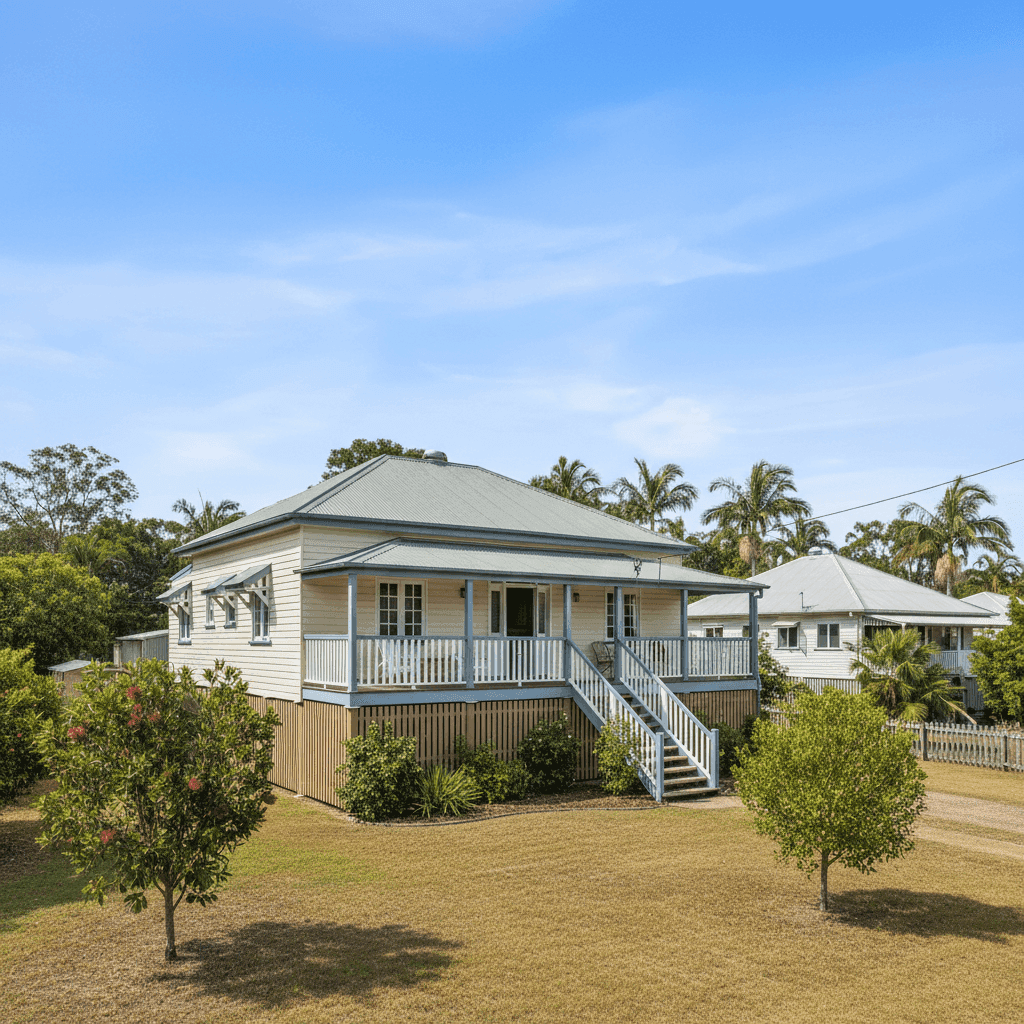
If you own a home in Iveragh, QLD 4680, you're likely no stranger to the unique challenges that come with insuring a property in regional Queensland. This article breaks down a real home and contents insurance quote for a three-bedroom, free-standing home in the area — and helps you understand whether the price stacks up against what other Queenslanders and Australians are paying.
---
Is This Quote Fair?
The annual premium for this property came in at $3,793 per year (or around $380 per month), covering a building sum insured of $506,000 and contents valued at $50,000. Based on our pricing analysis, this quote has been rated CHEAP — meaning it sits below the average for comparable properties in Queensland.
That's genuinely good news for the homeowner. In a state where premiums have been climbing steadily due to flood events, storm activity, and rising rebuild costs, landing a below-average quote is worth acknowledging. The building excess is set at $3,000 and the contents excess at $1,000 — both relatively standard for Queensland policies, where insurers often apply higher excesses to manage risk exposure in regional areas.
---
How Iveragh Compares
While there isn't enough localised data to report a suburb-level average for Iveragh specifically, we can benchmark this quote against broader figures. Here's how it looks:
| Benchmark | Premium |
|---|---|
| This Quote | $3,793/yr |
| QLD Average | $4,547/yr |
| QLD Median | $3,931/yr |
| National Average | $2,965/yr |
| National Median | $2,716/yr |
This quote sits $754 below the Queensland average and $138 below the Queensland median — a meaningful saving in a state known for some of the highest home insurance premiums in the country. You can explore broader Queensland insurance statistics here or dive into Iveragh-specific data as more local quotes are recorded.
It's worth noting that Queensland premiums are significantly higher than the national average, which sits at $2,965. This gap reflects the elevated natural hazard risk across much of the state — including flooding, severe storms, and cyclone exposure in northern regions. Iveragh, located in the Gladstone region, sits outside designated cyclone risk zones, which likely contributes to the more competitive pricing seen here.
---
Property Features That Affect Your Premium
Several characteristics of this property play a meaningful role in how insurers calculate the premium.
Construction Era and Materials
Built in 1920, this is a century-old home — and that matters to insurers. Older properties can carry higher rebuild costs due to the use of materials and techniques that are no longer standard, and they may be more susceptible to wear-related damage. However, weatherboard timber construction, while common in heritage Queensland homes, is generally insurable at competitive rates provided the property is well-maintained.
Elevated Foundation (Stumps)
The home sits on stumps and is elevated by at least one metre — a classic Queenslander configuration. Elevation is a double-edged sword from an insurance perspective. On the positive side, it can reduce flood inundation risk, which may help keep premiums down in flood-prone areas. On the other hand, elevated homes can be more vulnerable to wind uplift and underfloor damage. Overall, the elevation is likely working in this homeowner's favour given the flood risk profile of the region.
Roof Type
The steel/Colorbond roof is a strong asset from an insurer's perspective. Colorbond is durable, fire-resistant, and performs well in severe weather — making it one of the more favoured roofing materials among Australian insurers. This is likely contributing to the competitive premium.
Timber and Laminate Flooring
Timber and laminate flooring can be a consideration for contents and building claims, particularly in the event of water damage. Timber floors can warp or buckle when wet, which may influence how a claim is assessed. Ensuring your sum insured accurately accounts for floor replacement costs is important.
No Pool, Solar, or Ducted Climate Control
The absence of a pool, solar panel system, and ducted air conditioning simplifies the risk profile of this property. Each of these features can add complexity — and cost — to a policy, so their absence here is keeping the premium leaner.
---
Tips for Homeowners in Iveragh
Whether you're reviewing your current policy or shopping around for the first time, here are some practical steps to make sure you're getting the right cover at the right price.
1. Review your sum insured regularly With a building sum insured of $506,000 for a 130 sqm home built in 1920, it's worth double-checking that this figure reflects current rebuild costs — not just the market value of the property. Construction costs have risen sharply in recent years, and being underinsured can leave you seriously out of pocket after a major claim.
2. Understand your excess before you claim A $3,000 building excess is on the higher side. While a higher excess typically lowers your premium, it means you'll need to cover that amount before your insurer steps in. Make sure you have that amount accessible in an emergency fund.
3. Maintain your weatherboard exterior Older weatherboard homes require consistent upkeep. Insurers can reduce or deny claims if damage is found to result from gradual deterioration rather than a sudden event. Regular painting, checking for rot, and keeping gutters clear are all worthwhile investments.
4. Compare quotes at renewal time Even if you're happy with your current insurer, the market shifts. A quote that's competitive today may not be in 12 months. Using a comparison tool at renewal ensures you're not paying more than you need to — especially as insurers reprice their books based on claims data.
---
Ready to Compare?
Whether this quote is already yours or you're researching what to expect, it pays to see what else is out there. Get a home insurance quote through CoverClub and compare options tailored to your property in Iveragh. A few minutes of comparison could save you hundreds each year.